Learn how to identify, diagnose, and treat root rot in your spider plant with practical tips. Keep your indoor plant healthy and thriving with this comprehensive guide.
Introduction
Noticing your spider plant’s roots are rotting can be alarming, especially when you’ve invested so much care into keeping it healthy. But don’t worry—help is available! Root rot is a common problem among indoor plants, and with prompt action, you can save your beloved plant. This article will help you understand why is my spider plant having root rot, how to diagnose it accurately, and what simple remedies you can implement to restore its vitality. Remember, with patience and proper care, your spider plant can recover and thrive again.
Section 1: Understanding the Problem
Before jumping to solutions, it’s important to understand what root rot looks like and why it happens in indoor spider plants.
Visual Identification: What Does Root Rot Look Like?
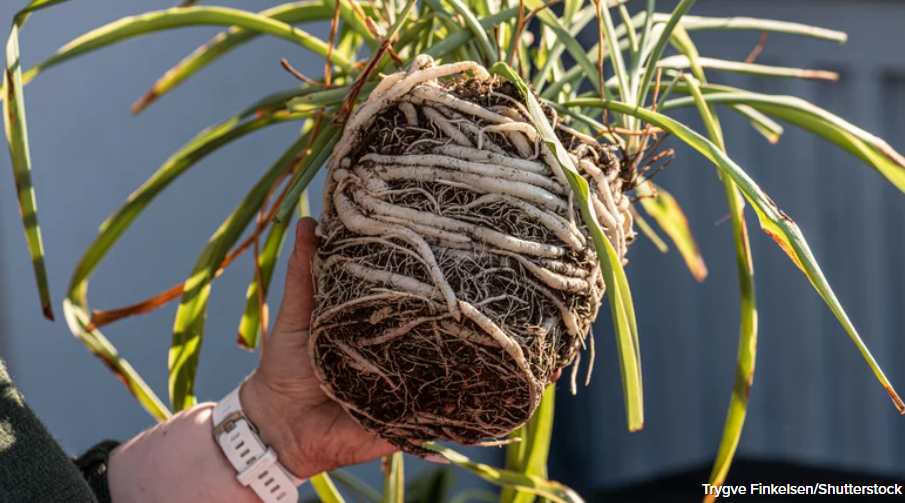
Root rot primarily affects the roots, making them mushy or brown instead of firm and white. Common signs include:
- Mushy, brown roots: When you gently remove your plant from its pot, the affected roots feel soft, slimy, and discolored.
- Foul smell: Rotten roots often emit a foul, unpleasant odor, similar to decaying organic matter.
- Wilting or yellowing leaves: Even if the soil appears moist, the plant may look sad—drooping leaves, yellowing or browning tips, and overall decline suggest root health issues.
Why Does Root Rot Occur?
Indoor spider plants typically develop root rot due to conditions that cause excessive moisture around the roots, leading to fungal and bacterial infections. The main culprits are:
- Overwatering: Giving too much water prevents roots from drying out and creates an environment for rot.
- Poor Drainage: Using pots without drainage holes or soil that doesn’t drain well traps water around roots.
- Compacted Soil: Over time, soil can become dense, reducing airflow and preventing excess water from escaping. Understanding these factors helps you diagnose the problem early and take corrective steps.
Section 2: Diagnosing the Exact Cause
Identifying the root cause behind root rot is essential for targeted treatment. Follow these steps to determine what’s triggering the problem in your spider plant.
Step-by-Step Diagnosis
Cause 1: Overwatering – The Most Common Culprit
- Check your watering routine: Do you water your plant frequently? Is the topsoil always wet?
- Feel the soil: If it feels soggy and stays moist for days, overwatering is likely the cause.
Cause 2: Poor Drainage or Overly Wet Soil
- Examine the pot: Are there drainage holes? Is water collecting at the bottom?
- Inspect the soil: Does it hold water excessively? You can perform a simple test by poking a pencil or finger into the soil—if moisture persists after drying out, drainage may be inadequate.
Cause 3: Root Damage or Compacted Soil Limiting Airflow
- Look at the roots: When you remove the plant, are the roots tightly packed or Damaged-looking?
- Consider pot size: Is the plant root-bound? Overgrown roots can crush each other, limiting oxygen flow.
How to Tell Which Cause Applies to Your Plant
- If the soil is consistently wet regardless of watering frequency, poor drainage or overwatering is likely.
- If roots are blackened, mushy, and foul-smelling, rot has set in—treat immediately.
- For root-bound plants with minimal watering but still suffering, compacted soil might be limiting airflow. Accurate diagnosis ensures you take appropriate actions for effective recovery.
Section 3: Treatment Solutions
Once you’ve identified the cause, the next step is treatment. The goal is to remove the affected roots, improve soil conditions, and establish healthy watering habits.
Immediate Actions: Remove Affected Roots and Repot
-
Gently remove your spider plant from its pot.
-
Take care not to damage healthy roots.
-
Inspect the roots carefully.
-
Cut away all mushy, foul-smelling, or blackened roots using sterilized scissors.
-
Treat the remaining roots.
-
Soak the healthy roots in a fungicide solution or a cinnamon paste (a natural antimicrobial) for 10-15 minutes.
-
Repot into fresh, well-draining soil.
-
Use a pot with drainage holes.
- Mix in sand or perlite to improve drainage.
Long-term Treatment Plan: Establish Proper Care Routines
- Water only when the top inch of soil feels dry.
- Ensure pots have adequate drainage.
- Use lightweight, aerated soil mixes suited for indoor plants.
- Consider using a fungicide if root rot was severe, following product instructions carefully.
- Keep the plant in a well-lit environment but avoid direct harsh sunlight that could stress the roots further.
What to Expect During Recovery
- In the following weeks, you should see new, white roots emerging.
- The plant’s leaves may regain their color and perk up.
- Continue with consistent watering and proper care to support ongoing recovery.
Section 4: Prevention Tips
Prevention is always better than cure. Here are simple tips to keep your spider plant healthy and prevent root rot.
Adjust Watering Habits
- Water thoroughly but infrequently, allowing the soil to dry out between watering sessions.
- Reduce watering during cooler months when the plant’s growth naturally slows.
Ensure Proper Drainage
- Use pots with drainage holes to prevent excess water from accumulating.
- Use a high-quality, well-draining soil mix tailored for indoor plants.
Regular Inspections
- Periodically gently inspect roots—if you see white, firm roots, your plant is healthy.
- Remove any dead or damaged roots promptly to prevent disease spread.
Maintain an Optimal Environment
- Keep humidity levels moderate; excessive humidity coupled with overwatering increases root rot risk.
- Place your plant in a bright spot with indirect sunlight for optimal growth.
Conclusion
Recap: The key to combating root rot in your spider plant is early identification, understanding the cause, and executing prompt treatment. Recognize the signs—mushy roots, foul smell, and wilting leaves—and act quickly. Diagnose whether overwatering, poor drainage, or soil compaction is to blame, then follow the tailored treatment steps. With consistent care, your plant can make a full recovery. Encouragement: Remember, even severe root rot is reversible. Your spider plant is resilient, and with attentive care, it can bounce back stronger than ever! Next Steps: Apply the outlined treatment methods, adjust your watering routine, improve your potting conditions, and monitor your plant regularly. Soon, you’ll be enjoying a thriving, healthy spider plant once again.
FAQ
Q: How long until I see improvement after treatment?
A: Typically, you can expect to see signs of new root growth within 2 to 4 weeks. Leaf recovery might take a bit longer, around 4 to 6 weeks, depending on the severity of the root rot and your care routine.
Q: Will my spider plant fully recover from root rot?
A: Yes, if the roots are not completely damaged, and you follow proper treatment and prevention steps, your spider plant can recover fully. In some cases, it may require patience and consistent care.
Q: Should I prune all affected roots or only the visibly damaged parts?
A: Always prune only the visibly mushy, foul-smelling, or blackened roots. Use sterilized tools and cut back to healthy, white, firm roots. Removing only the decayed parts minimizes stress on the plant.
Keeping your spider plant happy and healthy is a rewarding experience. Don’t be discouraged by root rot—use this guide as your trusted resource to revive your green companion and enjoy its beauty for years to come!