Struggling with white fuzz on your Rubber Plant? Don’t worry — it’s a common issue that, with the right knowledge and care, can be effectively fixed. Many plant parents initially feel alarmed when noticing this fuzzy, powdery, or cotton-like layer on their beloved plant’s leaves or stems. But understanding its cause is the first step toward restoring your Rubber Plant’s health.
This article will guide you through identifying the problem, diagnosing its root cause, applying effective treatment methods, and preventing future occurrences. Whether you’re a beginner or an intermediate plant enthusiast, you'll find practical tips to help your Rubber Plant thrive.
Remember: Most cases of white fuzz are manageable, and with patience and proper care, your plant can bounce back to lush, healthy foliage!
Understanding the Problem
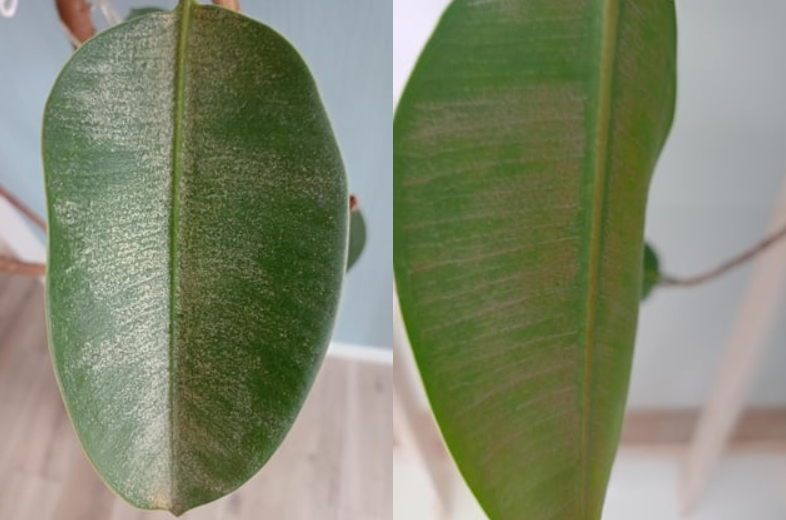
White fuzz on your Rubber Plant often appears as a powdery or cotton-like substance on the leaves or stems. Recognizing it correctly is key to choosing the right treatment.
Visual identification: How does the white fuzz look and where is it located?
Typically, the white fuzz looks like a soft coating, powder, or small cotton-like clusters, mainly appearing on the upper or lower surfaces of leaves, around stems, or at the base of the plant. It may resemble a light dusting or velvety layer that can be brushed off gently.
Common causes overview: Fungal infections, mold growth, and pest-related issues
The primary reasons for white fuzz include:
- Fungal infections such as powdery mildew – a common plant fungus that produces a white, powdery coating.
- Mold growth caused by excessive humidity, poor airflow, or water sitting on leaves.
- Pest infestations like mealybugs or scale insects – insects that secrete cottony or waxy coverings, often mistaken as fuzz. Understanding these causes allows you to implement targeted treatment strategies.
Diagnosing the Exact Cause
Diagnosing accurately is crucial to effective treatment. Here’s a step-by-step approach:
Step 1: Inspect visually for fungal signs
- Look for a white, powdery layer primarily on the leaves, stems, or around the soil surface.
- Check if the coating can be easily brushed off — typical of powdery mildew.
Step 2: Check for pest presence
- Gently examine the leaves and stems for small insects or sticky residue.
- Mealybugs appear as tiny cottony clusters; scale insects may look like small, flat, oval bumps often covered with a waxy or cottony coating.
Step 3: Assess environmental conditions
- High humidity and poor airflow promote mold and fungal growth.
- Note watering habits; overwatering or water sitting on leaves can encourage mold development.
How to tell which one it is:
- Fungal infection: Powdery, white coating that can be brushed away; no visible insects.
- Mold buildup: Usually appears in humid, poorly ventilated areas; may be slimy or fuzzy.
- Insects (pests): Presence of tiny bugs or cottony clusters attached to stems or leaf joints. A careful inspection will help you determine the root cause, leading to more effective treatment.
Treatment Solutions
Once you've identified the cause, it’s time to act. Here are tailored remedies for each scenario:
Immediate actions to take
- Isolate your Rubber Plant from other houseplants to prevent spreading.
- Remove affected leaves or stems gently with sanitized pruning shears.
- Clean the surface: Use a soft cloth or brush to brush off loose fuzz.
Long-term treatment plan
- For fungal infections like powdery mildew:
- Use a fungicide formulated for houseplants, or a natural solution like a mixture of hydrogen peroxide and water (1 part hydrogen peroxide to 3 parts water).
- Alternatively, apply a baking soda solution (1 tablespoon baking soda in a quart of water) with a sprayer, ensuring thorough coverage.
- Improve airflow and reduce humidity to hinder fungal growth.
- For pest infestations:
- Spray with natural remedies like neem oil or insecticidal soap.
- Repeat treatments weekly until pests are eradicated.
- Manually remove visible pests with a soft brush or wipe.
- For mold or mold-like buildup:
- Improve ventilation, reduce humidity, and decrease watering.
- Use diluted hydrogen peroxide or a gentle mold cleaner on affected areas.
What to expect during recovery
- Slight leaf discoloration or shedding might occur initially.
- With consistent treatment, you should see a decline in fuzz.
- The plant’s new growth will be healthier and fuzz-free.
Prevention Tips
Preventing white fuzz from returning involves adjusting your care routine and environmental management:
Care routine adjustments
- Water appropriately: Let the top inch of soil dry out between watering.
- Avoid over-fertilization: Excess nutrients can promote mold growth.
- Regularly clean leaves: Wipe leaves with a damp cloth or use a gentle spray to remove dust and prevent mold buildup.
- Prune dead or infected parts promptly to maintain plant health.
Environmental factors to monitor
- Air circulation: Place your Rubber Plant in a well-ventilated area.
- Humidity control: Keep humidity levels moderate; use a dehumidifier if needed.
- Avoid excess moisture: Water early in the day so leaves dry quickly; do not mist excessively.
Conclusion
By understanding the cause of white fuzz and applying targeted, effective treatments, your Rubber Plant can recover gracefully. Remember, quick identification and consistent care are your best tools in combating fungal, mold, or pest issues. With patience and proper attention, you'll be able to restore your plant’s lush, healthy foliage, creating a beautiful indoor oasis. Start diagnosing your Rubber Plant today, treat affected areas with suitable remedies, and incorporate prevention tips to enjoy thriving, vibrant greenery!
Q: How long until I see improvement after treatment?
A: The timeline varies depending on the issue and treatment consistency. Typically, you can expect to notice reduced fuzz within a week, with significant improvements seen over 2 to 4 weeks. Continuously monitor your plant and repeat treatments as necessary.
Q: Can my Rubber Plant fully recover from fungal or pest issues?
A: Yes! Most Rubber Plants recover well if the problem is caught early and the appropriate treatment is applied diligently. Healthy new growth indicates successful recovery. However, persistent or severe infestations may require more intensive interventions.
Q: Should I prune parts affected by white fuzz?
A: It’s advisable to prune heavily affected leaves or stems to prevent the spread and encourage healthy growth. Use sanitized tools and dispose of pruned material properly to avoid re-infestation or fungal spores lingering nearby.
Remember: Keeping your Rubber Plant in optimal conditions, practicing regular maintenance, and acting promptly at the first signs of white fuzz will ensure your plant remains healthy and beautiful. Happy gardening!