Have you noticed your Aloe Vera's leaves starting to droop or sag? It can be alarming for any plant lover, especially when you’ve been diligent in caring for your succulent. But don’t worry—drooping leaves are often a sign that your Aloe Vera is trying to communicate its needs, and with a little attention, you can help it recover quickly. In this article, we'll explore the common causes of drooping Aloe Vera leaves, how to diagnose the specific problem affecting your plant, and practical solutions to bring your Aloe back to life. Rest assured, with some simple adjustments, your Aloe Vera can regain its upright, vibrant appearance!
Understanding the Problem
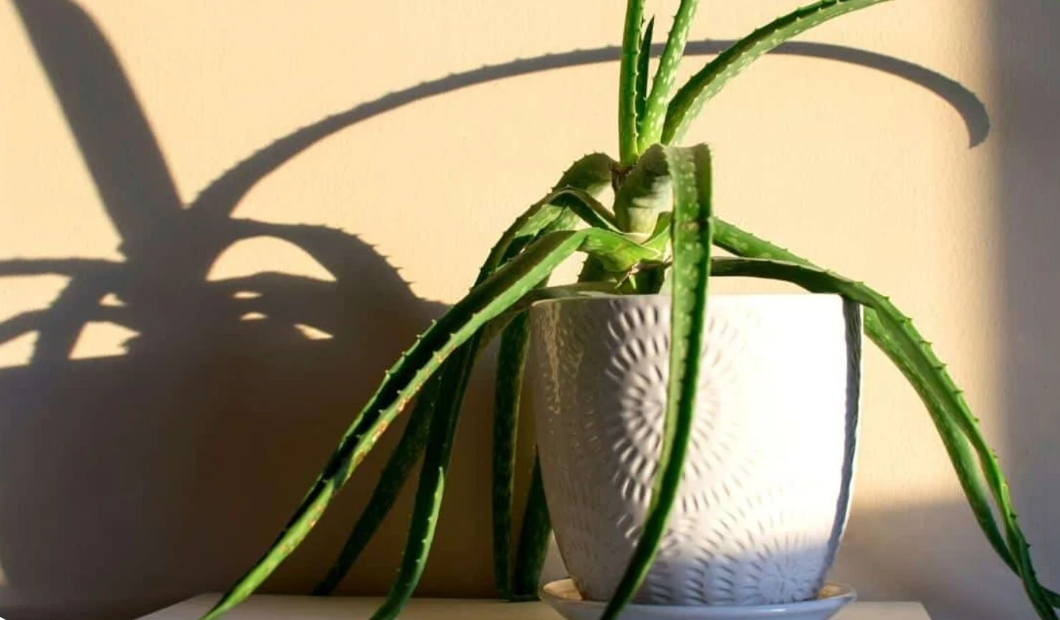
Visual identification of drooping Aloe Vera leaves
Drooping Aloe Vera leaves typically appear limp, soft, or sagging, often hanging downward rather than standing upright. The leaves may also lose their firm texture, look wrinkled, or develop discoloration at the tips. Sometimes, you might notice an overall wilting that makes the plant seem weak or stressed.
Common causes overview: overwatering, underwatering, improper lighting, and environmental stress
The root cause of drooping often falls into one of a few categories:
- Overwatering: Excess moisture can lead to root rot, weakening the plant’s support system.
- Underwatering: Insufficient water causes dehydration, making the leaves limp and shriveled.
- Improper lighting: Too much direct sunlight or too little light can stress the plant.
- Environmental stress: Sudden temperature changes, drafts, or low humidity can also affect leaf firmness. Understanding these common issues provides the foundation for effective troubleshooting.
Diagnosing the Exact Cause
Step-by-step diagnostic process
To fix Aloe Vera drooping leaves, you need to pinpoint what's causing the problem. Follow these steps:
Cause 1: Overwatering leading to root rot
- Check the soil: Gently remove the plant from its pot and inspect the roots. Healthy roots are white or light tan and firm. Roots affected by rot will be brown, black, or mushy.
- Smell test: Rotten roots often emit a foul odor.
- Soil moisture: Feel the soil; if it's waterlogged or stays wet for days, overwatering is likely the issue.
Cause 2: Underwatering causing dehydration
- Check the leaves: Shriveled, wrinkled, or dry leaves often indicate underwatering.
- Soil dryness: Stick your finger about an inch into the soil. If it's completely dry, your plant needs water.
- Leaf appearance: Drooping and wilting leaves combined with dry soil point to dehydration.
Cause 3: Insufficient light or sudden environmental changes
- Assess lighting: Aloe Vera needs bright, indirect sunlight. Insufficient light causes weak, drooping leaves.
- Environmental shifts: Recent move to a darker spot or exposure to cold drafts can cause stress.
- Observe the plant’s position: Sudden placement in a different environment often triggers drooping.
How to tell which cause applies to your plant
Compare the symptoms—soft, mushy roots indicate overwatering; dry, shriveled leaves suggest underwatering; and changes in light exposure point to environment issues. Collecting these clues helps determine the correct course of action.
Treatment Solutions
Immediate actions: adjust watering, check for root rot, improve lighting
- Overwatering: Allow the soil to dry completely before watering again. Remove affected roots carefully and repot in well-draining soil.
- Underwatering: Water thoroughly when the top inch of soil is dry, ensuring excess water drains out.
- Lighting: Move your Aloe Vera to a location with bright, indirect sunlight or supplement with grow lights if natural light is limited.
Long-term treatment: proper watering schedule, soil correction, consistent environment
- Watering routine: Water only when the soil feels dry to the touch, typically every 3-4 weeks.
- Soil: Use a well-draining cactus or succulent mix to prevent water retention.
- Pot selection: Ensure your pot has drainage holes to avoid standing water.
- Environmental consistency: Keep your Aloe Vera in a stable location away from drafts, extreme temperatures, or sudden light changes.
What to expect during recovery and signs of improvements
As you make these adjustments, you'll notice the leaves gradually regain firmness, and new, healthy growth may appear. It may take a few weeks of proper care for your Aloe Vera to fully recover, but patience and consistency are key.
Prevention Tips
Adjusting watering routines and drainage
- Use pots with drainage holes.
- Water deeply but infrequently, allowing the soil to dry out between watering.
Monitoring light levels and environmental stability
- Place your Aloe Vera in a bright spot with filtered sunlight.
- Avoid sudden changes or drafts.
Using well-draining soil and appropriate pot size
- Choose soil formulated for succulents.
- Repot when the plant outgrows its current container.
Regular inspection and maintenance
- Check for signs of pests or disease.
- Remove any damaged or dead leaves promptly to promote healthy growth.
Conclusion
Drooping Aloe Vera leaves are generally a sign that your plant needs some adjustments rather than a cause for despair. By understanding the underlying cause—be it overwatering, underwatering, light deficiency, or environmental stress—you can implement targeted solutions that will help your Aloe Vera thrive again. Remember: patience and consistent care are your best tools. Review your plant’s needs, adjust your routine accordingly, and give your Aloe Vera time to recover. With gentle attention, your Aloe Vera will stand tall and vibrant once more, adding beauty and serenity to your indoor space.
FAQ
Q: How long until I see improvement after adjusting care?
A: Typically, you can expect to see signs of recovery within 2 to 4 weeks. New leaf growth and firmness are good indicators that your plant is bouncing back. During this period, ensure your care routine remains consistent and avoid overcompensating with excessive watering.
Q: Can drooping leaves recover completely?
A: Yes, if the underlying issue is addressed promptly, drooping leaves can regain their firmness and the plant can fully recover. However, if leaves are severely damaged or rotted, they may not return to their original state and may need to be pruned to encourage new growth.
Q: Should I prune or remove drooping leaves to encourage new growth?
A: Yes, removing badly damaged or rotting leaves helps prevent disease spread and allows the plant to direct energy toward healthy growth. Use clean, sharp scissors or pruning shears to cut close to the base, and avoid removing more than necessary to minimize stress.
By keeping a close eye on your Aloe Vera and following these simple steps, you'll be well on your way to enjoying a healthy, vibrant plant that adds natural charm to your home. Happy gardening!