Discover why your ZZ plant's roots turn transparent due to root rot, and learn effective diagnosis and treatment methods to save your plant.
Introduction
Noticing transparent roots on your ZZ plant can be a cause for concern, especially if you're new to plant care. Root rot is a common issue that can threaten the health of your beloved indoor plant, but the good news is that with proper diagnosis and care, you can often revive a struggling ZZ plant. This article will guide you through understanding the signs of root rot, diagnosing the root causes, and implementing effective solutions to bring your plant back to vitality. Rest assured, with patience and the right approach, your ZZ plant can recover and thrive once again.
Section 1: Understanding the Problem
Visual identification of transparent roots and root rot signs
One of the first signs your ZZ plant might be suffering from root rot is the appearance of its roots. Healthy ZZ plant roots are typically firm, white or light tan, and have a slightly fleshly texture. When root rot sets in, you may notice that the roots become translucent or transparent, appearing slimy or mushy. They might also look darkened or decayed, losing their firmness.
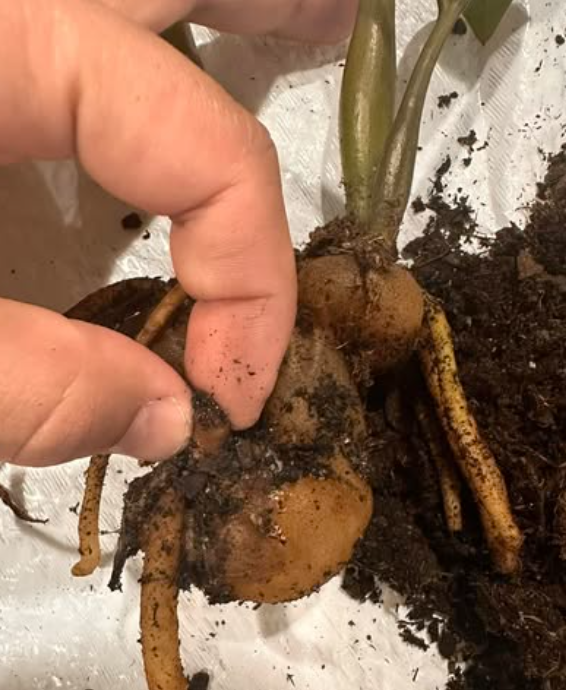
You might notice other symptoms above ground such as yellowing or drooping leaves, stunted growth, or a foul smell emanating from the soil—these are often indicators that root health is compromised.
Common causes of root rot in indoor ZZ plants
Root rot in ZZ plants can be caused by several factors, but the most common include:
- Overwatering: Excess water saturates the soil and prevents roots from accessing oxygen, leading to decay.
- Poor drainage soil: Using soil that retains too much moisture traps water around roots.
- Inadequate pot drainage: Pots without drainage holes cause water to pool at the bottom.
- Low light conditions: Poor light can slow evaporation, keeping soil wet longer.
- Root damage: Physical injury or pests can weaken roots, making them more susceptible to rot. Understanding these causes helps you identify the problem early and take preventive measures.
Section 2: Diagnosing the Exact Cause
Follow step-by-step diagnostic process to determine the root cause of the problem
Diagnosing root rot involves a careful inspection of your ZZ plant and its environment.
Cause 1: Overwatering leading to poor drainage
- Check your watering schedule—are you watering too frequently?
- Observe if the soil feels constantly moist or soggy.
- Are you allowing the top inch of soil to dry out before watering again?
Cause 2: Soil that retains too much moisture
- Examine the soil's texture—does it feel dense or clay-like?
- Consider whether the soil is old or compacted, which hampers drainage.
Cause 3: Lack of proper aeration or root damage
- Look for signs of root injury from repotting or pests.
- Check if the roots are mushy, blackened, or slimy.
How to tell which cause applies to your plant
- If roots are transparent, mushy, and smell bad, overwatering and poor drainage are likely causes.
- If roots are healthy-looking but the plant still shows decline, consider environmental factors like low light or root damage.
- Conduct a gentle root inspection by removing the plant from its pot to assess root health carefully.
Section 3: Treatment Solutions
Implement targeted fixes based on diagnosis to treat root rot and restore plant health
Immediate actions: removing affected roots, adjusting watering habits
- Carefully extract your ZZ plant from its pot.
- Remove all mushy, black, or transparent roots using sterilized scissors or pruning shears.
- Discard severely damaged roots to prevent the spread of rot.
- Rinse healthy roots gently in lukewarm water.
Long-term treatment plan: repotting with well-draining soil, using natural or chemical remedies
- Repot your ZZ plant into a clean pot with drainage holes.
- Use a well-draining soil mix, such as cactus or succulent soil combined with coarse sand or perlite.
- Avoid watering until the soil has dried out completely.
- Consider applying a natural fungicide like cinnamon powder on cut roots to prevent fungal growth, or use a commercial fungicide if necessary.
Monitoring recovery: signs of improvement and when to prune damaged roots
- Over the next few weeks, observe your plant for new, healthy root growth.
- Keep the watering schedule cautious—water only when the topsoil is dry.
- If you notice new green shoots and healthy leaf color, your plant is recovering.
- Prune away any remaining unhealthy roots to promote healthy regrowth.
Section 4: Prevention Tips
Adopt best care practices to prevent root rot from recurring
Adjust watering routine and ensure proper drainage
- Water your ZZ plant only when the top inch of soil is dry.
- Use pots with drainage holes and ensure excess water can escape freely.
Use suitable soil mixes and potting techniques
- Opt for a light, airy soil designed for succulents or cacti.
- Mix in coarse sand, perlite, or pumice to improve drainage and aeration.
Monitor environmental humidity and avoid overwatering
- Keep your plant in a well-ventilated area with moderate humidity.
- Avoid placing your ZZ plant in overly damp or enclosed spaces.
Conclusion
Recap of diagnosing root rot, treatment steps, and prevention strategies
In summary, identifying transparent roots caused by root rot requires careful observation and inspection. The key signs include mushy, translucent roots and foul smells. Proper diagnosis involves checking watering habits, soil condition, and root health. Once confirmed, immediate removal of affected roots, repotting in suitable soil, and adjusting your watering routine are essential steps to save your ZZ plant.
Encouragement
Rest assured, with attentive care and patience, your ZZ plant can recover from root rot. The process may take some time, but healthy new roots and vibrant foliage will be worth the effort.
Next steps
Start with a gentle inspection of your plant, follow the recommended treatment plan, and be diligent in preventing future issues by adopting proper watering and soil practices. Your indoor garden can flourish again!
FAQ
Q: How long until I see improvement after treatment?
A: Typically, you can expect to see signs of recovery within 2 to 4 weeks, such as new leaf growth or healthier-looking roots. Patience is key, and maintaining proper care will promote faster healing.
Q: Can my ZZ plant fully recover from root rot?
A: Yes, if the damage isn't too severe, your ZZ plant can fully recover. The key is to remove all affected roots and provide optimal growing conditions to encourage new root development.
Q: Should I prune all damaged roots or just the rotten parts?
A: Always prune only the rotten or mushy roots, leaving healthy roots intact. Using sterilized tools minimizes infection risk, and pruning promotes healthy regrowth.
By following these guidelines, you can effectively tackle ZZ plant root rot turning transparent and ensure your indoor garden remains healthy and vibrant. Happy planting!