Struggling with brown tips on your Pothos’s new growth? You're not alone. Many indoor plant enthusiasts notice their Pothos developing brown or crispy tips on fresh leaves, which can be concerning at first glance. But don’t worry—this is a common issue with straightforward solutions. With a little understanding and care adjustments, you can help your plant recover and thrive. This article will guide you through identifying the causes of brown tips on new Pothos growth, diagnosing the specific problem, and implementing simple yet effective remedies. Plus, you'll find practical prevention tips to keep your plant healthy and vibrant in the long run. Rest assured, with some attentive care, your Pothos can bounce back beautifully!
Section 1: Understanding the Problem
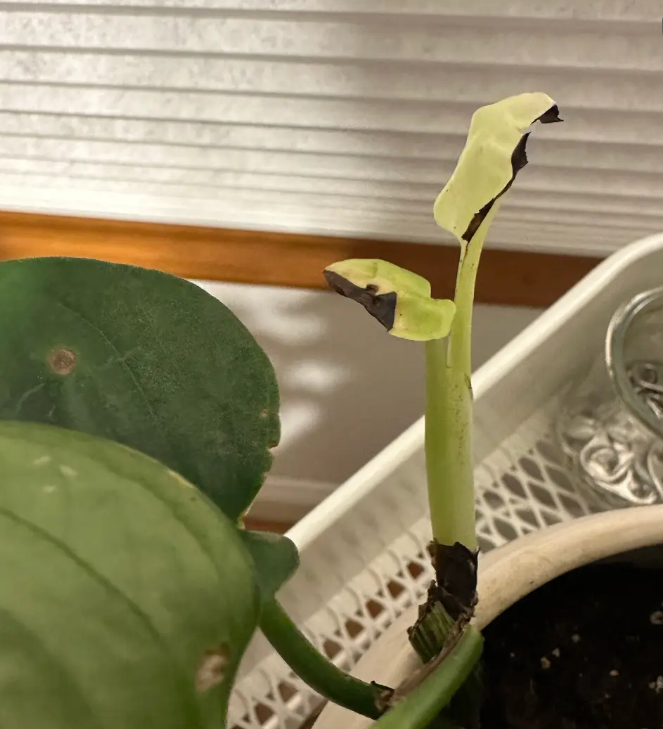
Visual Identification of Brown Tips on New Growth
Brown tips on Pothos usually appear as dry, crispy edges at the ends of new leaves or stems. These tips may look bleached or darkened, often with a rough or brittle texture. Sometimes, the browning starts subtly at the edges and progresses inward if left unaddressed. Healthy new growth should look lush, vibrant, and free of discoloration. When you notice brown tips emerging on your fresh Pothos leaves, it's a clear sign that something in its environment or care routine needs attention.
Common Causes Overview
Several factors can lead to browning tips on a Pothos’s new growth, including:
- Overwatering or Poor Drainage: Excess water can cause root stress, leading to nutrient imbalances and tip browning.
- Underwatering or Dry Air: Insufficient water or low humidity can dry out leaf tips.
- Low Humidity: Pothos prefer moderate humidity; dry indoor air, especially in winter, can cause tips to brown.
- Fertilizer Burn: Over-fertilizing or using high-nitrogen fertilizers can damage leaf tips.
- Root Stress: Transplant shock or root damage can affect nutrient uptake, resulting in browning. Understanding these causes helps you tailor your care to prevent and fix the problem effectively.
Section 2: Diagnosing the Exact Cause
Step-by-step Process
Diagnosing the root cause of brown tips involves observing your plant’s environment and care routine carefully. Here’s how to do it:
Cause 1: Low Humidity or Dry Air
- Check if your indoor air feels dry, especially during winter months.
- Look for other signs of low humidity, such as brittle leaf edges or curling leaves.
- Is your Pothos placed near heating vents or in a room with heating or air conditioning? These can reduce humidity.
Cause 2: Overwatering or Poor Drainage
- Feel the soil. Is it constantly wet or soggy?
- Check if your pot has drainage holes; water should flow freely out of the bottom.
- Notice if the plant's roots are soggy or have a foul odor, indicating root rot.
Cause 3: Fertilizer Burn or Excess Nutrients
- Recall your fertilization routine. Have you recently applied fertilizer or used a high-strength formula?
- Look for other symptoms like yellowing leaves or uneven growth.
How to Tell Which Cause Fits Your Plant’s Condition
- Dry, brittle tips + dry air signs: likely caused by low humidity.
- Soft, waterlogged soil + root odor: overwatering or drainage issues.
- Yellowing leaves + recent fertilization: fertilizer burn. By matching these signs, you can accurately identify the cause and choose the appropriate remedy.
Section 3: Treatment Solutions
Immediate Actions
Once you've diagnosed the cause, act quickly to minimize damage:
- Adjust watering: Allow the soil to dry out slightly before watering again. Ensure the pot has proper drainage.
- Increase humidity: Use a humidifier, place a pebble tray with water under the pot, or group your plants together to create a microenvironment with higher moisture.
- Flush the soil: If overwatering or fertilizer burn is suspected, water the plant thoroughly to wash out excess salts and nutrients. Ensure excess water drains freely.
Long-term Care
- Establish a consistent watering schedule: Water when the top inch of soil feels dry. Avoid letting the plant sit in water.
- Maintain optimal humidity: Keep indoor humidity around 40-60%. Use a humidifier in dry seasons.
- Fertilize wisely: Feed your Pothos with a balanced, diluted houseplant fertilizer once a month during the growing season. Avoid over-fertilizing.
Monitoring Recovery
- Watch for signs of improvement, such as new healthy leaf growth and a reduction in browning tips.
- If browning persists, prune the damaged tips with clean scissors to promote healthy growth.
- Regularly inspect your plant for early signs of stress to catch issues before they worsen.
Section 4: Prevention Tips
Maintaining ideal conditions is key to preventing future browning on your Pothos’s new growth:
Consistent Watering and Proper Drainage
- Water only when the top inch of soil feels dry.
- Use pots with drainage holes to prevent water accumulation.
- Avoid letting the plant sit in standing water.
Using a Humidifier or Pebble Tray for Humidity
- Place a tray filled with pebbles and water beneath the plant’s pot.
- Use a room humidifier, especially in winter when indoor air becomes dry.
Fertilizer Moderation and Correct Application
- Feed your Pothos with a balanced fertilizer every 4-6 weeks during active growth.
- Dilute fertilizers to half strength to avoid root and tip damage.
- Avoid fertilizing when the plant shows signs of stress or drought.
Regular Inspection for Early Signs of Stress
- Check leaves regularly for browning, wilting, or yellowing.
- Address issues promptly to prevent them from escalating.
Conclusion
Addressing brown tips on new Pothos growth involves understanding your plant’s environment and making targeted care adjustments. Whether it’s fixing watering habits, increasing humidity, or refining your fertilization routine, small changes can make a significant difference. With attentive care, your Pothos can bounce back and flourish. Keep observing, adjusting, and nurturing your plant, and enjoy the satisfaction of healthy, vibrant foliage. Start implementing these tips today, monitor your plant’s response, and watch it thrive!
FAQ
Q: How long until I see improvement after fixing watering or humidity?
A: Typically, you may notice positive changes within a few weeks. New growth should appear healthier, and the browning tips may cease. Patience is key—consistent care yields the best results.
Q: Can brown tips fully recover or should I prune them?
A: Brown tips are usually irreversible. It’s best to prune off the damaged tips with clean scissors to promote healthy new growth. Pruning also improves the plant’s appearance and overall health.
Q: Are there natural remedies to prevent browning on Pothos tips?
A: Yes. Using natural humidity boosters such as placing a bowl of water nearby or misting leaves occasionally can help. Also, ensuring proper watering and avoiding over-fertilization are natural preventative measures.
By understanding your Pothos’s needs and making thoughtful adjustments, you can keep its new growth lush and healthy. Happy gardening!