Learn how to identify, diagnose, and treat soft leaves on your Spider Plant with simple, practical tips to restore its health and prevent future problems.
Introduction
Noticing your Spider Plant's leaves turning soft or limp can be quite worrying, especially if you cherish this resilient houseplant. Soft leaves are often a sign that something isn’t quite right with your plant’s environment or care routine. But don’t panic—this issue is usually fixable with some easy adjustments and attentive care.
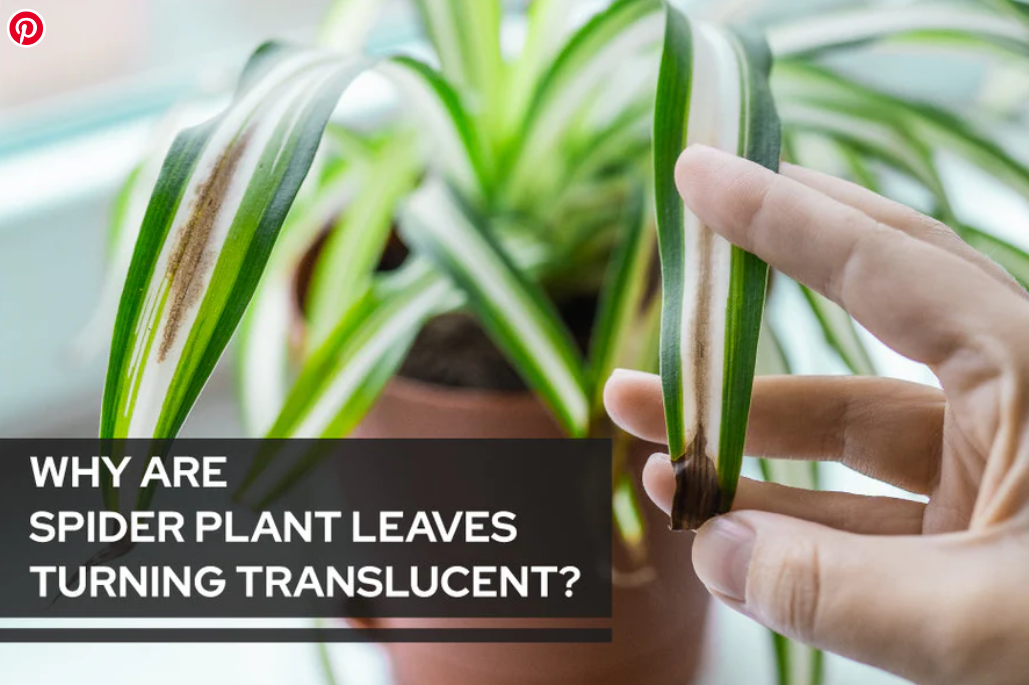
In this article, we’ll guide you through understanding what causes soft or limp leaves, how to diagnose the specific problem your Spider Plant is facing, and practical solutions to help it bounce back. With patience and proper care, your Spider Plant can recover and continue to brighten up your indoor space.
Section 1: Understanding the Problem
Visual Identification of Soft, Drooping, or Limp Leaves
Soft leaves on a Spider Plant typically appear droopy, limp, or sagging. They may feel mushy or floppy when you gently touch them, and their usual firm, upright posture is compromised. Sometimes, the leaves may also turn yellow or brown at the tips, indicating stress or underlying issues.
Common Causes Overview
Several factors can cause your Spider Plant’s leaves to become soft:
- Overwatering, leading to root rot
- Underwatering or drought stress
- Low humidity or dry indoor air
- Pests like spider mites or scale
- Fungal infections or disease Understanding these common causes is crucial to diagnosing and addressing the problem effectively.
Section 2: Diagnosing the Exact Cause
Follow a Step-by-Step Process to Pinpoint the Issue
Cause 1: Overwatering Leading to Root Rot
How to identify:
If the soil feels consistently soggy, and the plant’s roots are brown and mushy when examined, overwatering is likely the culprit. Root rot deprives roots of oxygen, causing the plant to weaken and leaves to soften.
Cause 2: Underwatering or Drought Stress
How to identify:
If the soil is dry several inches below the surface and the leaves are limp but not mushy, your plant may be underwatered. Leaves may also turn yellow or brown at the tips.
Cause 3: Low Humidity or Dry Indoor Air
How to identify:
If your indoor air is dry—common in winter or heated rooms—your Spider Plant may suffer from low humidity. Leaves may become soft, brittle, or develop brown tips.
How to tell which cause applies to your plant
- Check the soil moisture level using your finger or a moisture meter.
- Examine the roots if possible—healthy roots are white and firm.
- Observe the indoor environment—do you notice dry air or drafts?
- Look for pests or fungal spots on leaves. Accurate diagnosis is key to applying the most effective treatment.
Section 3: Treatment Solutions
Remedies for Each Cause
For Overwatering and Root Rot
- Remove affected roots: Gently take out the plant, trim away brown, mushy roots with sterilized scissors.
- Repot in well-draining soil: Use a cactus or succulent mix, or add perlite or sand to improve drainage.
- Reduce watering: Allow the top inch of soil to dry out completely before watering again. Water only when the soil is dry.
For Underwatering
- Increase watering frequency: Water thoroughly until excess drains out, and ensure consistent moisture.
- Establish a watering schedule: Check the soil regularly and water when the top inch feels dry.
For Low Humidity
- Use a humidifier: Place a humidifier near your Spider Plant to increase ambient moisture.
- Mist leaves regularly: Lightly spray water onto the leaves daily or a few times a week.
- Group plants together: Clustering plants can create a microenvironment with higher humidity.
Additional Natural Remedies
- Hydrogen peroxide soak: Mix one part hydrogen peroxide with eight parts water and briefly soak the roots to kill bacteria and fungi.
- Neem oil: If pests are present, apply neem oil according to instructions to eliminate mites or scale.
Chemical Remedies
- Use appropriate fungicides or insecticides only if pests or fungal infections are confirmed and other measures have failed.
What to Expect During Recovery
- You may see improvement within a week if the cause is addressed promptly.
- New growth should appear in a few weeks, indicating recovery.
- Be patient and continue providing optimal care during this period.
Section 4: Prevention Tips
How to Keep Your Spider Plant Healthy and Avoid Soft Leaves
- Maintain consistent watering: Water only when the top inch of soil feels dry, and ensure proper drainage.
- Monitor indoor humidity: Use a humidifier or place water trays near your plant to boost moisture.
- Avoid temperature fluctuations: Keep your Spider Plant away from drafts, heating vents, or sudden temperature drops.
- Inspect regularly: Check for signs of pests or fungal issues, and act quickly if detected.
- Use appropriate soil and repot when necessary: Repot when the plant becomes rootbound or soil quality declines. By adopting these preventive measures, you can reduce the risk of future soft leaf problems and keep your Spider Plant thriving.
Conclusion
Recap of key points:
- Soft, limp leaves are often caused by overwatering, underwatering, low humidity, pests, or disease.
- Proper diagnosis involves inspecting soil moisture, roots, and indoor conditions.
- Treatment varies from adjusting watering habits to repotting, increasing humidity, or applying natural remedies.
- Prevention hinges on consistent care, environment monitoring, and timely repotting. Remember, with attentive care and a little patience, your Spider Plant can bounce back from soft leaves and continue to be a beautiful, lush addition to your home. Start implementing these tips today, and enjoy the process of nurturing your indoor garden!
FAQ
Q: How long until I see improvement after treatment?
A: Typically, you can expect to see signs of recovery within one to two weeks if the underlying cause has been effectively addressed. New, firm growth indicates your plant is regaining strength. Patience is key, as some issues may take longer to resolve fully.
Q: Can my Spider Plant fully recover from root rot or severe damage?
A: Yes, if caught early and treated properly, many Spider Plants can recover from root rot. Removing affected roots, repotting in fresh soil, and adjusting watering habits are crucial. However, severe damage might limit the plant’s overall vigor, so ongoing care and monitoring are essential.
Q: Should I prune the soft leaves or leave them to recover naturally?
A: It’s best to prune heavily wilted or damaged leaves to redirect the plant’s energy toward new growth. Use sterilized scissors to remove limp or yellowing leaves at the base. Healthy, remaining leaves should recover more effectively once the underlying issue is addressed.
Your Spider Plant's health depends on attentive care and prompt action. With these tips, you’re well on your way to restoring its vibrant, lush appearance. Happy gardening!