Discover why your Monstera Deliciosa's white fuzz turns transparent and learn practical solutions to restore its health and prevent future issues.
Introduction
Noticing your Monstera Deliciosa's white fuzz turning transparent can be quite alarming, especially if you're passionate about keeping your indoor jungle lush and healthy. This white fuzz, often mistaken for mold or pests, plays a vital role in the plant's natural defenses and growth. When it starts turning transparent, it signals that something is off—be it pests, fungal infections, or environmental stress. But don't worry! With a little patience and some simple steps, you can diagnose the cause, treat the problem effectively, and help your Monstera bounce back stronger than ever. In this article, we'll guide you through understanding the issue, identifying the root cause, applying targeted fixes, and preventing future problems. Let’s ensure your leafy friend remains vibrant and healthy!
Section 1: Understanding the Problem
Visual identification of white fuzz turning transparent
The white fuzz on Monstera leaves is typically a fine, velvety layer that appears as a soft covering or tiny hairs. When healthy, this fuzz can help protect the plant from pests and environmental stresses. However, if you notice that the fuzz is becoming transparent or appears to be thinning out, it could be a sign of underlying issues.
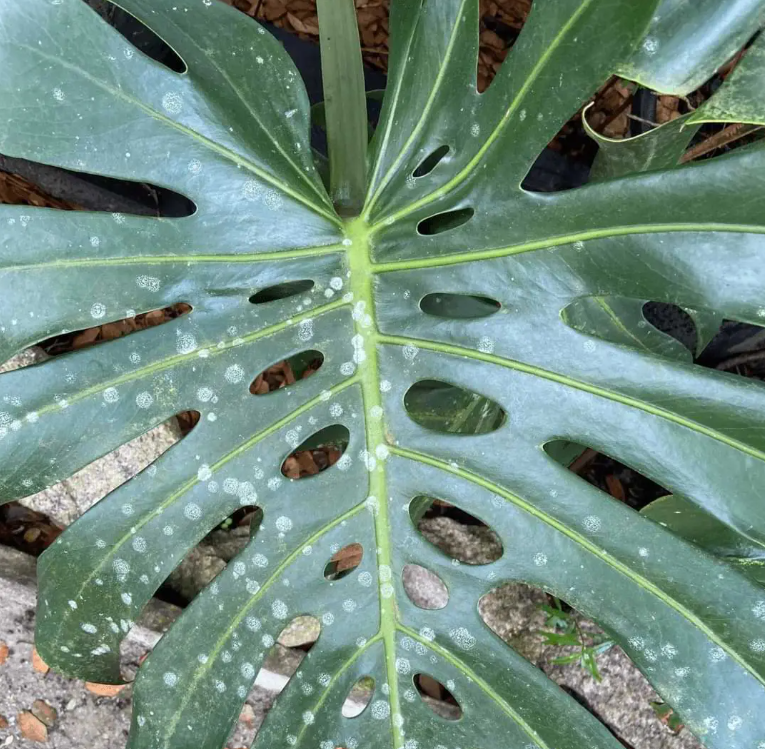
Look closely: the fuzz should be opaque and dense in healthy plants. If it starts looking see-through or patchy, it might be losing its protective qualities or indicating a problem.
Common causes overview
Several factors can lead to white fuzz turning transparent, including:
- Pest infestation: Mealybugs and scale insects produce a white, cottony or waxy coating that can become transparent as pests die or are removed.
- Fungal issues: Fungal infections like powdery mildew can cause a white, powdery appearance that may turn translucent when spores diminish.
- Environmental stress: Overwatering, low humidity, or sudden temperature changes can weaken the plant's defenses, causing the fuzz to degrade or become transparent. Understanding these causes is essential to choosing the right treatment and ensuring your Monstera's health.
Section 2: Diagnosing the Exact Cause
Step-by-step process to determine what's causing the white fuzz to turn transparent
Diagnosing the root cause involves observing your plant carefully and checking for specific signs. Here's how to proceed:
Cause 1: Pest infestation, particularly mealybugs or scale insects
- Signs: Sticky residue (honeydew), tiny moving bugs, or clusters of white cottony masses.
- How to inspect: Gently brush the fuzz with a soft cloth or magnifying glass. Look for small insects or remnants that remain after cleaning.
Cause 2: Fungal infections like powdery mildew or mold
- Signs: Powdery white coating that may look fluffy or powdery, often spreading across the leaf surface.
- How to inspect: Look for a dusty or chalky appearance. Usually, fungal growth is more uniform and can be scraped off gently.
Cause 3: Environmental stress, overwatering or low humidity
- Signs: Wilting, yellowing leaves, or fuzzy patches that appear dull or transparent due to dehydration.
- How to inspect: Check soil moisture—overly moist soil and low humidity can weaken the plant’s defenses.
How to tell which cause applies to your plant
- Pest signs usually include visible insects and sticky residue.
- Fungal signs manifest as powdery or moldy patches.
- Environmental stress causes more uniform leaf decline, wilting, or dullness. Accurate diagnosis is crucial to choosing the correct treatment and ensuring your Monstera recovers fully.
Section 3: Treatment Solutions
Apply targeted remedies based on the diagnosed cause
Once you've identified the root cause, follow these specific steps to treat your Monstera effectively:
Immediate actions
- Manual removal: Gently wipe off pests or fungal growth with a soft cloth soaked in a mild soap solution.
- Washing leaves: Rinse the leaves with lukewarm water to remove pests and fungal spores.
- Insecticidal soap: Spray insecticidal soap or neem oil on affected areas to eliminate pests like mealybugs or scale.
Long-term treatment
- Adjust watering habits: Avoid overwatering—wait until the top inch of soil is dry before watering again.
- Improve humidity: Increase humidity around your plant using a humidifier or pebble tray with water.
- Use natural/chemical remedies: For fungal issues, consider applying a commercial fungicide or a homemade solution like diluted baking soda spray.
Monitoring recovery and signs of improvement
- Watch for reduced pest activity and fungal signs.
- Notice the fuzz becoming more opaque and dense.
- Observe healthy new leaf growth and overall plant vigor.
Section 4: Prevention Tips
Maintain optimal plant care to prevent white fuzz from turning transparent again
Prevention is always better than cure. Here are essential tips to keep your Monstera healthy and resilient:
Care routine adjustments
- Proper watering: Water only when the topsoil feels dry, ensuring good drainage.
- Fertilization: Feed your Monstera with balanced houseplant fertilizer during the growing season.
- Cleaning: Regularly wipe leaves with a damp cloth to remove dust, dirt, and potential pests.
Environmental factors
- Humidity: Maintain humidity levels around 60-70%, especially in dry indoor environments.
- Lighting: Provide bright, indirect light to strengthen your plant’s defenses.
- Airflow: Ensure good airflow around the plant to prevent fungal growth and pest buildup. By adopting these preventive measures, you can reduce the chances of white fuzz turning transparent and keep your Monstera thriving.
Conclusion
Recap of key steps
- Identify whether the white fuzz is due to pests, fungal infections, or environmental stress.
- Diagnose accurately by inspecting for insects, mold, or dehydration signs.
- Treat with manual removal, targeted insecticides, or fungicides depending on the cause.
- Prevent future issues through proper watering, humidity, cleaning, and environmental management.
Encouragement
Rest assured, with attentive care and patience, your Monstera Deliciosa can recover from white fuzz turning transparent. It’s a common issue that many plant parents face, and with the right approach, your plant will regain its lush, vibrant appearance.
Next steps
Start by carefully diagnosing your plant’s condition, implement the suggested treatments, and maintain good care routines. Your Monstera will thank you with beautiful, healthy leaves and a vigorous growth habit!
FAQ
Q: How long will it take for my Monstera to recover after treatment?
A: Recovery time varies depending on the severity of the issue, but generally, you should see signs of improvement within 1-2 weeks. New healthy growth indicates that your plant is healing well.
Q: Can I use chemical pesticides on my indoor Monstera?
A: Yes, but choose products specifically labeled for indoor use and safe for houseplants. Always follow the manufacturer's instructions, and avoid spraying near children or pets.
Q: Should I prune parts of the plant affected by the transparent fuzz?
A: If certain leaves are heavily affected, yellowed, or damaged, pruning can help improve overall plant health. Use clean, sharp scissors and dispose of the pruned material properly to prevent spreading pests or fungi.
By understanding and addressing the causes of white fuzz turning transparent, you can ensure your Monstera Deliciosa remains a stunning centerpiece in your home. Happy gardening!