Introduction
Noticing your Anthurium’s leaves feeling soft or limp can be alarming—especially when you’re eager to keep your indoor plant healthy and vibrant. But don’t worry; this is a common issue that many plant enthusiasts encounter, and with a little detective work, you can identify the cause and take effective steps to revive your plant. This article will explore why is my Anthurium having soft leaves, how to diagnose the underlying problems, and practical solutions that will help your plant recover and thrive once again. Remember, with patience and proper care, your Anthurium can bounce back and continue to beautify your indoor space.
Understanding the Problem
Visual Identification of Soft Leaves and Possible Symptoms
The first step is recognizing what soft, limp leaves look like and understanding why they matter. Symptoms include:
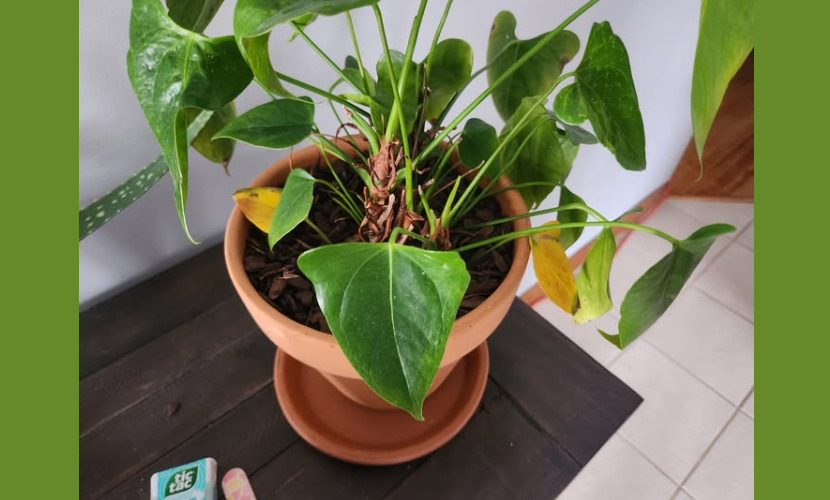
- Leaves feeling floppy, drooping, or almost "slimy" to touch.
- Yellowing or browning tips often accompany softness.
- In severe cases, leaves may wilt or have a mushy texture.
- Stunted growth or persistent leaf droop even when environmental conditions seem normal.
Common Causes of Soft Leaves in Anthuriums
Several factors can lead to soft or limp leaves, often linked to environmental and cultural stressors:
- Overwatering, leading to root damage or rot.
- Low humidity in indoor environments.
- Sudden changes in temperature or drafts.
- Underwatering, causing dehydration and loss of turgor pressure.
- Shock from repotting or moving.
- Nutrient deficiencies affecting cell health. Understanding these causes is crucial for precise diagnosis and effective treatment.
Diagnosing the Exact Cause
Step-by-Step Process to Determine Why Your Anthurium’s Leaves Are Soft
Cause 1: Overwatering leading to root rot or poor air circulation
- Check the soil moisture: Is the soil consistently wet or soggy?
- Examine roots (if possible): Are they brown, black, or mushy? Healthy roots are white and firm.
- Look for foul odors from the soil, indicating rot.
Cause 2: Low humidity and dry indoor air
- Feel the environment: Is the ambient humidity below 40%?
- Observe if the leaves are dry at the tips or edges, a sign of dehydration due to dry air.
Cause 3: Sudden temperature changes or drafts
- Is your plant near open windows, air conditioning vents, or heaters?
- Interior temperature fluctuations can cause stress leading to droopy leaves.
How to Tell Which Cause Is Affecting Your Plant
- Check soil moisture and root health to assess overwatering.
- Feel the air and inspect leaf edges for dehydration signs.
- Note recent changes in environment—this can often be the culprit.
Treatment Solutions
Immediate Actions: Fixing the Current Issue
- Adjust watering habits: Allow the soil to dry slightly between waterings; ensure proper drainage.
- Improve airflow: Remove any obstructions or move the plant to a spot with better ventilation.
- Increase humidity: Use a humidifier, place a water tray with pebbles underneath, or regularly mist the leaves.
Long-term Care: Ensuring a Healthy Environment
- Establish a consistent watering schedule: Water thoroughly when the top inch of soil feels dry.
- Repot if root rot is present: Use well-draining soil and a pot with drainage holes to prevent future overwatering issues.
- Maintain a stable environment: Keep the temperature between 65-80°F (18-27°C) and avoid drafts.
Monitoring Recovery
- Watch for signs of improvement such as firm, upright leaves.
- Continue adjusting care routines as needed.
- If leaves remain soft despite adjustments, consider consulting a plant expert or root health specialist.
Prevention Tips
Care Routine Adjustments
- Use a moisture meter for precise watering.
- Fertilize selectively—overfeeding can stress the plant.
Environmental Factors
- Ensure proper lighting: Bright, indirect sunlight enhances health.
- Maintain stable temperature and humidity levels.
- Avoid placing your Anthurium near drafts, heaters, or air conditioners.
Regular Inspection and Early Detection
- Routinely check leaves, roots, and soil moisture.
- Address any slight changes early to prevent severe problems.
Conclusion
Soft leaves in Anthuriums are often caused by watering issues or environmental stress, but with careful diagnosis and prompt care, you can effectively restore your plant's health. Remember, each problem has a solution, and your dedication as a plant parent can make all the difference. Don’t be discouraged—your Anthurium has the resilience to recover with proper attention and patience. Implement the recommended care tips, monitor your plant regularly, and consider exploring more detailed guides on Anthurium care to support its ongoing health and beauty.
FAQ
Q: Why does my Anthurium’s leaves become soft overnight?
A: Sudden softening usually indicates a drastic change in environmental conditions, such as overwatering leading to root rot, or a rapid drop in humidity or temperature. Check your watering practices, ensure proper drainage, and protect the plant from drafts or temperature fluctuations.
Q: How long does it take for my Anthurium to recover after fixing watering issues?
A: Recovery time varies, but typically you may start seeing improvements within a few weeks. Ensure soil dries out appropriately, reduce stress, and provide optimal environmental conditions for faster healing.
Q: Should I prune the soft, damaged leaves?
A: Yes. Pruning away the seriously wilted or mushy leaves can help the plant conserve energy and promote new, healthy growth. Use clean, sharp scissors, and avoid removing more than a third of the foliage at once.
By understanding the causes behind soft leaves and applying targeted care, your Anthurium can regain its vigor and become a lush, vibrant centerpiece in your indoor garden. Happy gardening!