Struggling with leaf drop on your rubber plant? Discover causes, diagnosis steps, and easy solutions to restore your plant's health and vibrancy.
Introduction
Noticing leaves falling from your rubber plant can be quite worrying, especially when you’ve been caring for it diligently. Rest assured, leaf drop is a common issue faced by many plant enthusiasts, and often it’s something you can fix with a little understanding and care. Your rubber plant, with its glossy leaves and robust nature, can recover beautifully if the root cause of leaf drop is identified and addressed properly. In this guide, we’ll explore why your rubber plant might be losing leaves, how to diagnose the reason, and practical solutions to help your plant bounce back. With patience and the right steps, your rubber plant will regain its vibrancy and thrive once more.
Section 1: Understanding the Problem
Visual identification of leaf drop and related symptoms
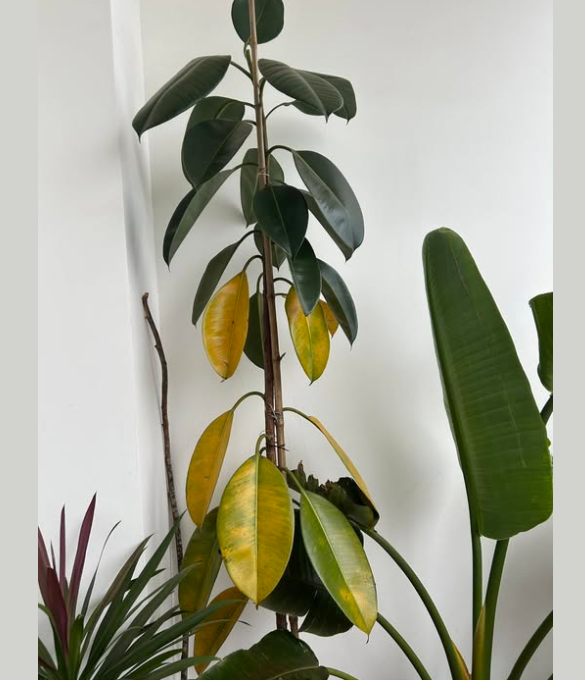
In rubber plants, leaf drop can range from a handful of leaves to significant defoliation. Usually, you’ll notice:
-
Sudden or gradual loss of mature leaves
-
Yellowing or browning leaves before they fall
- Drooping or wilted appearance
- Soft or mushy stems indicating root issues
- Worm-like pests or sticky residue on leaves Recognizing these signs early can help you pinpoint the cause and prevent further stress to your plant.
Common causes overview including environmental stress, watering issues, pests, and nutritional deficiencies
The main reasons behind leaf drop typically fall into a few categories:
- Environmental stress: sudden changes in light, temperature, or drafts
- Watering issues: overwatering leading to root rot, or underwatering causing dehydration
- Pests and diseases: infestations like spider mites, mealybugs, or fungal infections
- Nutritional deficiencies: lack of essential nutrients weakening plant health Understanding these causes allows you to target your care more accurately.
Section 2: Diagnosing the Exact Cause
Follow a step-by-step process to pinpoint why your rubber plant is losing leaves
Getting to the root of the problem involves careful observation and testing. Here are the key steps:
Cause 1: Overwatering or Underwatering
- Check the soil moisture: Insert your finger about an inch into the soil. If it’s soggy or waterlogged, overwatering is likely. If it’s very dry, underwatering might be the issue.
- Inspect the roots: Carefully remove the plant from its pot to examine the roots. Brown, slimy roots indicate rot; white, firm roots are healthy.
Cause 2: Sudden changes in light or temperature
- Think about recent environment shifts: Have you moved your plant to a sunnier spot? Is there a draft or exposure to cold air? Rubber plants dislike drafts and temperature swings.
Cause 3: Pest infestations or disease
- Look closely at the leaves’ undersides and stems for signs of pests: tiny webs, sticky residue, or small insects.
- Check for discolored or spotty leaves which might indicate fungal or bacterial infections.
How to tell which cause applies to your plant
- Overwatering symptoms usually include root rot, soft stems, and yellowing leaves.
- Underwatering causes dry, crispy leaves and wilting.
- Lighting issues often manifest as leaf discoloration or leaf drop following environmental changes.
- Pests are visible on the plant surface or under leaves. By inspecting these factors systematically, you can identify the primary cause.
Section 3: Treatment Solutions
Address each identified cause with targeted remedies, combining natural and chemical options if needed
Once you find the culprit, act promptly:
Immediate actions:
- Adjust watering: Allow the soil to dry out before watering again. Use well-draining soil and a pot with drainage holes.
- Fix environment: Move the plant to a stable location with consistent temperature and indirect sunlight.
- Inspect for pests: Remove visible insects with a soft cloth or spray with insecticidal soap.
Long-term care:
- Water properly: Water only when the top inch of soil feels dry. Ensure excess water drains away.
- Maintain stable conditions: Keep the plant away from drafts, heating vents, or cold windows.
- Humidify and fertilize: Rubber plants appreciate higher humidity—consider misting or a humidifier. Feed with a balanced, diluted houseplant fertilizer every 4-6 weeks during the growing season.
Recovery expectations
With diligent care, your rubber plant can start to produce new healthy leaves within weeks. Patience is key as the plant recuperates from stress.
Section 4: Prevention Tips
Implement proactive measures to prevent future leaf drop
Prevention is always better than cure. Here are some practical tips:
Maintain consistent watering routines and proper drainage
- Use pots with drainage holes
- Water thoroughly but infrequently
- Check soil moisture regularly
Optimize environmental conditions: light, temperature, humidity
- Place your rubber plant in bright, indirect light
- Keep indoor temperatures between 65-75°F (18-24°C)
- Avoid cold drafts and sudden temperature drops
Regular inspection for pests and diseases
- Examine leaves weekly, especially the undersides
- Remove any pests immediately with natural remedies or insecticides
Fertilization schedule for overall health
- Feed with a balanced fertilizer during the active growing season, typically spring and summer
- Reduce feeding in winter when growth slows
Conclusion
Addressing the root causes of leaf drop and adjusting your care routines can greatly improve your rubber plant’s health. Remember, it’s normal for rubber plants to shed some older leaves, but excessive leaf drop signals underlying problems that need attention. With patience, proper diagnosis, and consistent care, your rubber plant has a wonderful chance to recover and flourish again. Take each step methodically, and soon, you’ll be enjoying a vibrant, lush indoor plant that adds beauty to your home.
Q: Why does my rubber plant keep losing leaves even after I’ve fixed the watering issue?
A: Persistent leaf drop can be caused by other factors such as pest infestations, inadequate light, or stress from environmental changes. Recheck your plant for pests, ensure proper lighting, and provide a stable environment to promote recovery.
Q: Will my rubber plant fully recover from significant leaf loss?
A: Yes, if the root cause has been addressed and proper care is maintained, rubber plants can regenerate new, healthy foliage. Be patient, and avoid overwatering or sudden environmental changes to support their recovery.
Q: Should I prune the fallen leaves or damaged stems?
A: Yes. Remove any yellowed or damaged leaves and stems with clean pruning scissors. This helps redirect the plant’s energy towards healthy new growth and prevents the spread of pests or disease.
Remember: Your attentive care and proactive measures can turn your rubber plant’s situation around. Keep observing, adjusting, and nurturing your plant—its vibrant greenery will thank you!