Are your indoor plants showing distress signals like brown tips or wilting stems? Don't worry—these issues are common but fixable. Many plant enthusiasts, whether beginners or seasoned green thumbs, encounter problems like browning leaves on ZZ Plants or root rot in Monsteras. The good news is that with proper diagnosis and care, your plants can recover and flourish again. This article will guide you through understanding these issues, diagnosing their causes, and applying effective treatments and prevention strategies to keep your indoor garden healthy and vibrant.
Section 1: Understanding the Problem
Recognizing What Brown Tips on ZZ Plants and Root Rot in Monsteras Look Like and Why They Happen
Before jumping into solutions, it’s essential to identify the symptoms accurately. Recognizing the signs early can save your plants from further damage.
Visual Identification of Brown Tips and Stem Rot
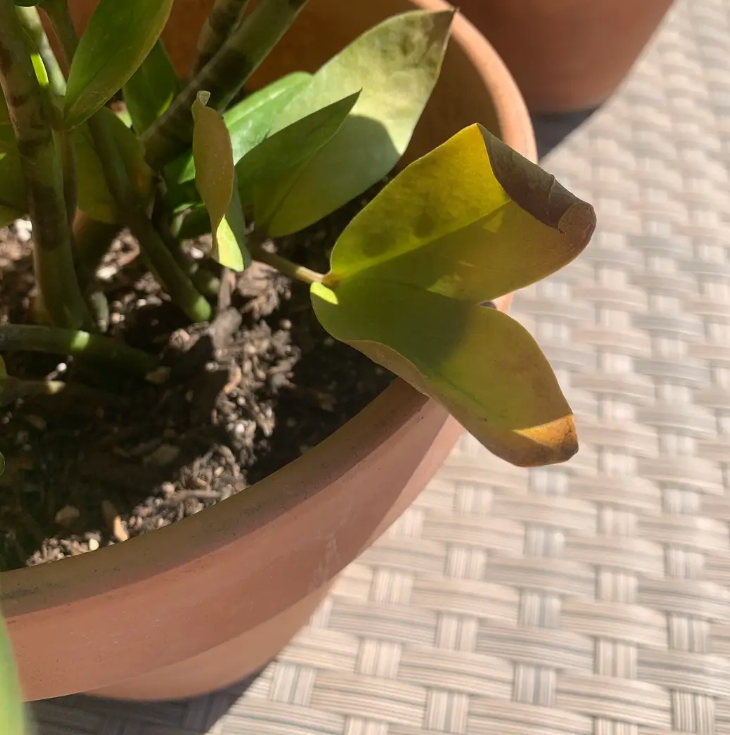
- ZZ Plant Brown Tips on Bottom Leaves: Often, the tips of the leaves, especially the older or lower ones, turn brown or crispy. This browning is usually dry and may start at the edges, gradually spreading inward.
- Monstera Deliciosa Root Rot on Stems: Root rot manifests as wilting, yellowing, or browning of the stems near the soil line, often accompanied by a foul smell. The roots may appear dark, mushy, and decomposed when you inspect the plant’s base.
Common Causes Overview
Several factors contribute to these symptoms, including:
- Overwatering: Excess water causes root rot in Monstera, leading to stem and root decay.
- Inconsistent or Low Humidity: The ZZ Plant’s brown tips on bottom leaves often result from dry air or irregular watering.
- Poor Drainage: Waterlogged soil traps moisture, promoting fungal growth.
- Nutrient Deficiencies: Lack of essential nutrients can cause leaf tips to brown.
- Environmental Stress: Sudden changes in light, temperature, or drafts can stress plants, resulting in browning or wilting. Understanding these causes helps you target your care approach effectively.
Section 2: Diagnosing the Exact Cause
Follow a Step-by-Step Process to Pinpoint the Root Cause of Your Plant's Symptoms
Accurate diagnosis is crucial for effective treatment. Here’s how to determine whether your plant’s issues stem from watering, environmental factors, or diseases.
Cause 1: Overwatering Leading to Root Rot in Monstera
Signs to look for:
- Roots are dark, mushy, or foul-smelling when you gently remove the plant from its pot.
- Soil remains soggy or waterlogged long after watering.
-
Stems near the soil are soft or discolored. How to confirm:
-
Carefully inspect the roots and soil moisture level.
- Check for black or brown, rotting roots.
Cause 2: Low Humidity or Inconsistent Watering Causing Brown Tips on ZZ Plant
Signs to look for:
- Dry, crispy leaf tips, especially on bottom or older leaves.
- Soil that feels overly dry for extended periods.
-
The plant appears healthy overall but shows localized browning. How to confirm:
-
Observe humidity levels; ZZ Plants thrive in moderate to high humidity.
- Consider recent watering patterns—overly infrequent or uneven watering can cause stress.
Cause 3: Nutrient Deficiencies or Environmental Stress
Signs to look for:
- Uniform yellowing or browning across multiple leaves.
- Leaf edges turn crispy or develop spots.
-
Sudden changes in growth or appearance after environmental shifts. How to confirm:
-
Review fertilization schedule; lack of nutrients like potassium or magnesium can cause browning tips.
- Assess recent changes in lighting, temperature, or drafts.
How to Tell Which Issue Applies to Your Plant
- If roots are rotten and soil remains soggy, overwatering is the culprit.
- If soil is dry and leaf tips are crispy, low humidity or irregular watering is likely responsible.
- If symptoms are widespread and linked to environmental changes, consider stress factors or deficiencies.
Section 3: Treatment Solutions
Specific Actions to Correct Each Problem and Support Recovery
Once you’ve diagnosed the cause, follow these tailored steps to help your plants recover.
Immediate Measures
- Removing affected leaves: For brown tips, prune only the severely damaged parts using clean scissors or pruning shears. This encourages healthy new growth.
- Adjusting watering habits: For overwatering, reduce watering frequency, ensure soil dries out between waterings, and avoid waterlogging.
- Improving airflow and humidity: Increase humidity around your ZZ Plant with a humidifier or regular misting, especially in dry environments.
Long-term Treatment
- Repotting with proper soil: For Monstera with root rot, carefully remove the plant, cut away rotten roots with sterile tools, and repot into well-draining soil mixed with perlite or orchid bark.
- Enhancing humidity: Place plants on humidity trays or keep them in a well-lit, draft-free area.
- Fertilization: Use a balanced, water-soluble fertilizer during the active growing season to replenish nutrients for both ZZ Plants and Monsteras.
Monitoring Progress and When to Seek Professional Help
- Observe new growth for signs of recovery.
- If roots are severely damaged or symptoms persist despite treatment, consult a professional horticulturist or plant specialist.
- Persistent stem rot or extensive root decay might require more advanced intervention or replacement.
Section 4: Prevention Tips
Strategies to Keep Your Plants Healthy and Avoid Recurring Issues
Prevention is always better than cure. Here are practical tips to maintain your plants' health:
Adjust Watering Routines and Ensure Proper Drainage
- Water only when the top inch of soil feels dry.
- Use pots with drainage holes to prevent water accumulation.
- Avoid overwatering, especially during cooler months when plants need less moisture.
Maintain Optimal Humidity and Light Conditions
- ZZ Plants prefer indirect bright light but can tolerate low light.
- Monsteras thrive in bright, indirect sunlight.
- Keep humidity levels moderate; use humidifiers or pebble trays if air is dry.
Regular Inspection and Early Intervention
- Check your plants weekly for signs of pests, disease, or stress.
- Remove yellow or damaged leaves promptly.
- Adjust care routines immediately if you notice new issues developing.
Conclusion
Recap of Key Diagnostic Steps, Treatment Options, and Prevention Strategies In summary, brown tips on ZZ Plants and root rot in Monstera are common problems that can often be effectively managed with attentive care. Start by accurately diagnosing the cause—whether overwatering, low humidity, or environmental stress—and then apply targeted treatments like pruning, repotting, or adjusting watering habits. Regular inspection and proactive prevention, including proper watering, humidity control, and suitable lighting, will help ensure your plants stay healthy and vibrant. Remember, with patience and consistent care, your indoor plants can recover and continue to bring life and beauty to your home.
Next Steps
- Apply the diagnosis tips to assess your plants.
- Implement the appropriate treatment strategies.
- Monitor your plants closely and adjust your care routine as needed.
- Keep learning about plant needs to prevent future issues.
- Enjoy the process of nurturing your indoor garden!
FAQ
Q: How long until I see improvement after treatment?
A: It varies depending on the severity of the issue. Generally, you can expect to see signs of recovery within a few weeks—new healthy leaves or fresh growth indicate good progress. For root rot, it may take longer for the plant to recover fully, especially if roots were extensively damaged.
Q: Can my plant fully recover from root rot or brown tips?
A: Yes, with prompt and proper treatment, many plants can recover fully. However, severe root rot might cause irreversible damage, and some parts of the plant may need to be removed. Consistent care and patience are key to ensuring full recovery.
Q: Should I prune all affected parts or only the severely damaged leaves?
A: It’s best to prune only the severely damaged or dead parts, leaving healthy tissue intact. This encourages new healthy growth and prevents unnecessary stress on the plant. Use sterilized tools to avoid spreading disease.
With these tips and insights, you’re now better equipped to troubleshoot and care for your indoor plants. Happy gardening!