Discover practical steps to diagnose and fix curling leaves on your Jade Plant, ensuring healthy, vibrant growth with easy care tips.
Introduction
Noticing your Jade Plant's leaves curling can be worrying—it might seem like something's wrong, but often it’s a sign you can easily fix. As a beloved indoor plant, the Jade Plant (Crassula ovata) is relatively hardy but sensitive to its environment and care routine. Curling leaves usually indicate underlying issues, but with some simple diagnosis and adjustments, you can restore your plant’s health and keep it thriving. In this guide, I’ll walk you through understanding why leaf curling happens, how to accurately identify the root cause, and the easy solutions to fix and prevent it. Whether you’re a beginner or a seasoned plant enthusiast, you’ll find practical advice to bring your Jade Plant back to lush, healthy glory.
Section 1: Understanding the Problem
Learn how curling leaves appear and why they occur
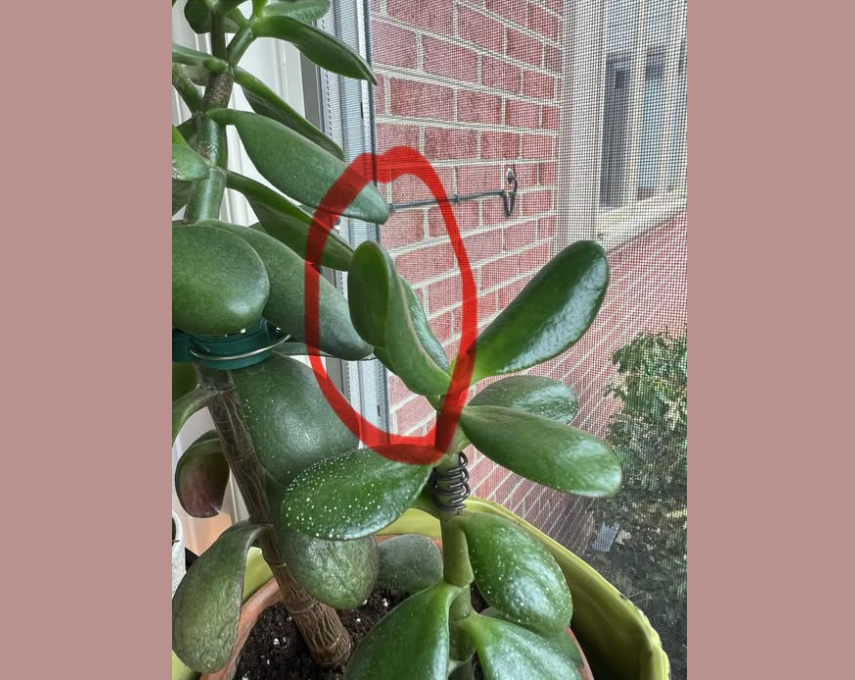
Curling leaves on your Jade Plant are often an early warning sign that something isn’t quite right. The leaves may roll inward, appear shriveled, or become distorted. Recognizing these visual cues is the first step toward effective treatment.
Visual identification: Distinguishing curling leaves from other issues
- Inward curling or folding: Leaves curl tightly towards the stem, often a sign of stress.
- Wilting or drooping: The plant looks limp, indicating watering issues.
- Color changes with curling: Yellowing or browning alongside curling can suggest specific problems.
- Damage patterns: Curling along edges, or leaves that look shriveled or crispy.
Common causes overview
- Overwatering: Roots are waterlogged, leading to stress and leaf curl.
- Underwatering: Dehydration causes leaves to contract and curl.
- Environmental stress: Excessive heat, direct sunlight, or drafts can cause leaves to curl defensively.
- Pests: Insect infestations like mealybugs or spider mites can damage tissues, causing curling.
- Nutritional deficiencies: Lack of essential nutrients may weaken foliage and cause deformation.
Section 2: Diagnosing the Exact Cause
Follow a step-by-step process to pinpoint the issue
Diagnosing why your Jade Plant's leaves are curling involves checking specific signs and conditions.
Cause 1: Overwatering leading to root stress or rot
- Symptoms: Soft, mushy roots; soil remains constantly wet; plant may look dull.
- Signs in leaves: Yellowing, curled leaves may feel tender or limp.
Cause 2: Underwatering causing dehydration and leaf curl
- Symptoms: Dry, brittle leaves; soil dry to touch; leaves shriveled and curled.
- Signs in leaves: Wrinkled, crispy edges or entire leaf shriveling.
Cause 3: Environmental stress like excessive heat, direct sunlight, or drafts
- Symptoms: Sunburned spots alongside curled leaves; leaves may fold inward to protect themselves.
- Signs: Location near a heater, air vent, or south-facing window causing heat stress.
How to tell which one it is: Checklist of signs for each cause
| Cause | Key Signs | Soil Condition | Location clues |
|---|---|---|---|
| Overwatering | Mushy roots, yellowing leaves, soil stays wet | Waterlogged, soggy soil | Indoor areas with poor drainage |
| Underwatering | Wrinkled, crispy leaves, dry soil | Dry soil | Areas with low humidity or neglecting watering |
| Environmental stress | Sunburn, leaf curling inward, heat damage | Soil may be dry or moist | Near heat sources or sun-exposed windows |
 |
Section 3: Treatment Solutions
Apply targeted remedies based on the diagnosed issue
Immediate actions to take
- Adjust watering habits: For overwatering, reduce watering frequency; for underwatering, water deeply but infrequently.
- Reposition the plant: Move your Jade Plant away from direct heat sources or harsh sunlight.
- Check for pests: Inspect leaves and stems; remove pests manually or treat with natural remedies like neem oil.
Long-term treatment plan
- Optimize light: Place the plant where it receives bright, indirect sunlight—about 4-6 hours a day.
- Maintain proper humidity: Jade Plants prefer dry conditions; avoid overly humid environments.
- Improve soil drainage: Use well-draining cactus or succulent mix; add sand or perlite if necessary.
- Fertilize appropriately: Feed lightly during the growing season with balanced, diluted fertilizer.
What to expect during recovery
- Signs of improvement: Leaves gradually uncurl, new growth appears healthy, and the plant becomes more vibrant.
- Pruning: Remove severely damaged or dead leaves to promote healthy regrowth and improve airflow.
Section 4: Prevention Tips
Keep your Jade Plant healthy and prevent leaf curling from reoccurring
Care routine adjustments
- Consistent watering schedule: Water only when the top inch of soil feels dry.
- Proper lighting: Ensure your Jade Plant gets bright, indirect sunlight.
- Regular fertilization: Feed lightly once a month during the growing season (spring and summer).
Environmental factors to monitor
- Temperature: Maintain room temperatures between 65-80°F (18-27°C).
- Drafts and heat sources: Keep the plant away from vents, heaters, or open windows with cold drafts.
- Pests and diseases: Regularly check for pests, especially during changing seasons.
Additional tips
- Natural pest control: Use neem oil or insecticidal soap to keep pests at bay.
- Avoid over-fertilization: Excess nutrients can cause leaf damage and stress.
- Repotting: Refresh soil annually or when roots become crowded, using well-draining soil.
Conclusion
Recap of diagnosing causes, applying fixes, and maintaining optimal care
In summary, curling leaves on your Jade Plant often signal a need for care adjustments—whether watering, light, or pest control. By carefully observing your plant’s symptoms and environment, you can easily pinpoint the cause and apply targeted solutions to correct the issue.
Encouragement
Rest assured, with attentive care, your Jade Plant can bounce back beautifully. Consistency, patience, and gentle adjustments will help it regain its lush, vibrant appearance.
Next steps
Implement the suggested care tweaks, monitor your plant’s response over the coming weeks, and enjoy the rewarding journey of nurturing your green companion. Your efforts will ensure a healthy, happy Jade Plant that continues to elevate your indoor space.
FAQ
Q: How long will it take for the leaves to uncurl after fixing the problem?
A: Usually, you can see signs of recovery within a few weeks. New leaves may start to grow, and existing curled leaves might gradually straighten if the root cause has been addressed. Be patient—healthy growth takes time.
Q: Can curling leaves indicate a serious issue like root rot?
A: Yes, especially if the curling is accompanied by soft, discolored roots and foul smell from the soil. In such cases, it's crucial to inspect and treat the roots promptly to save your plant.
Q: Is pruning necessary for damaged leaves, or should I leave them to recover?
A: Pruning damaged or severely curled leaves helps redirect the plant’s energy toward healthy new growth. Use clean, sharp scissors to remove these leaves, and don’t worry—new, healthy leaves will develop over time.
Taking the time to understand your Jade Plant’s needs and adjusting your care accordingly will ensure it stays healthy and beautiful. Happy gardening!