Introduction
Noticing your Rubber Plant’s leaves feeling soft can be quite concerning, especially if you’ve been nurturing it with care. Soft, limp, or drooping leaves are often early signs that something isn’t quite right with your plant’s environment or health. But don’t worry—these issues are usually fixable with attentive care and some simple troubleshooting. This article will guide you through understanding what causes soft leaves in Rubber Plants, how to diagnose the root problem, and practical solutions to help your plant bounce back. With a little patience and the right approach, your Rubber Plant can recover its vigor and continue to brighten your indoor space.
Section 1: Understanding the Problem
Visual Identification: What Do Soft, Limp, or Drooping Leaves Look Like?
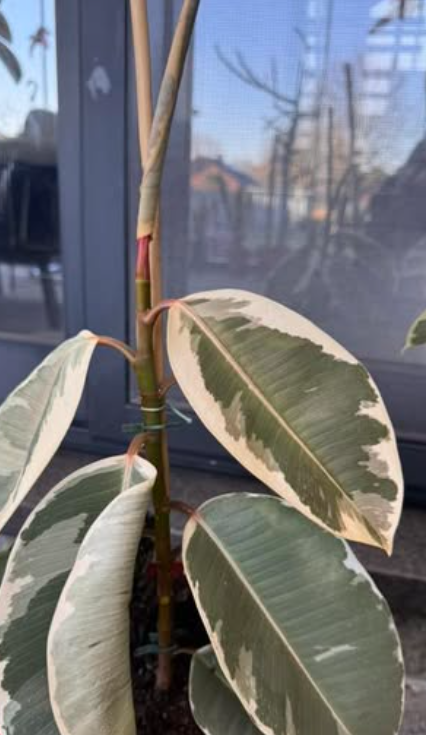
Rubber Plant leaves are typically thick, glossy, and firm. When they start to feel soft, they may become limp, droop downward, or feel mushy to the touch. You might notice some leaves curling at the edges or a translucent appearance, indicating they are losing turgor pressure—the internal water pressure that keeps leaves firm.
Common Causes Overview
Several factors can lead to soft leaves in Rubber Plants, including:
- Overwatering: Excess water suffocates roots, leading to root rot and poor water uptake.
- Underwatering: Lack of water causes dehydration, making leaves wilt and become soft.
- Low Humidity and Environmental Stress: Dry indoor air can cause leaves to lose moisture.
- Root Issues: Damage or rot in roots hinder nutrient and water absorption.
- Pests and Diseases: Infestations or infections weaken plant health, leading to softening leaves. Understanding these causes helps you identify which problem your Rubber Plant might be facing.
Section 2: Diagnosing the Exact Cause
Step-by-Step Process to Pinpoint the Root Cause
Accurate diagnosis is key to effective treatment. Follow these steps:
Cause 1: Overwatering Leading to Root Rot
- Check the soil moisture: Insert your finger about an inch into the soil. If it feels soggy or waterlogged, overwatering may be the culprit.
- Examine the roots: Gently remove the plant from its pot and inspect the roots. Healthy roots are white and firm; rotting roots are brown, black, and mushy.
Cause 2: Underwatering Causing Dehydration
- Observe the soil: Is it extremely dry and crumbly?
- Check the leaves: Are they wilted, shriveled, or crispy along the edges? These are signs of water deficiency.
Cause 3: Low Humidity or Environmental Stress
- Assess your indoor environment: Is the air dry, especially in winter or in air-conditioned rooms?
- Feel the leaves: Are they dry or papery? This indicates low humidity.
How to Tell Which Cause Applies to Your Plant
Compare your observations:
- Soggy soil + rotting roots: Overwatering.
- Very dry soil + shriveled leaves: Underwatering.
- Dry leaves without soil issues: Low humidity or environmental stress. Accurate diagnosis allows for targeted treatment, increasing the chances of successful revival.
Section 3: Treatment Solutions
Immediate Actions: Quick Fixes to Stabilize Your Rubber Plant
- Adjust watering habits: Ensure your watering schedule matches your plant's needs—generally watering only when the top inch of soil feels dry.
- Inspect and trim: Remove any soft, mushy, or dead leaves to prevent disease spread.
- Increase humidity: Use a humidifier, place a tray with water and pebbles nearby, or group plants together to boost moisture levels.
- Improve drainage: If soil is waterlogged, repot your Rubber Plant into well-draining soil and a pot with drainage holes.
Long-term Treatment Plan
- Repotting: If roots are rotted, carefully trim damaged roots and repot your plant into fresh, well-draining soil.
- Environmental adjustments: Maintain consistent temperature (65-80°F), avoid drafts, and keep humidity levels moderate.
- Pest control: Check for pests like spider mites or scale insects, and treat with insecticidal soap if needed.
Monitoring Recovery
- Look for signs of improvement such as firmer leaves, new growth, and overall plant vitality.
- Prune any severely damaged leaves to encourage new healthy growth.
- Be patient—recovery can take weeks, depending on the severity of the problem.
Section 4: Prevention Tips
Care Routine Adjustments
- Water properly: Allow the topsoil to dry out slightly between waterings.
- Fertilize sparingly: Use a balanced houseplant fertilizer during the growing season to promote health.
- Provide adequate light: Bright, indirect sunlight helps maintain strong, resilient leaves.
Environmental Factors
- Maintain humidity: Keep indoor humidity around 40-60%. Use humidifiers or pebble trays as needed.
- Avoid drafts and temperature fluctuations: Rubber Plants thrive in stable conditions.
- Regular inspections: Check your plant weekly for early signs of stress, pests, or disease.
Conclusion
Addressing soft leaves in your Rubber Plant involves a careful diagnosis of watering habits, humidity, and overall health. By identifying whether overwatering, underwatering, or environmental stress is the cause, you can implement targeted solutions that promote recovery. Remember, most problems are fixable with attentive care and patience. Don’t be discouraged—your Rubber Plant has great potential to bounce back and thrive again. Start with a gentle inspection, adjust your care routine accordingly, and monitor your plant’s progress. With consistent effort, your indoor jungle will continue to bring beauty and greenery into your home.
FAQ
Q: How long until I see improvement after treatment?
A: Typically, you may notice signs of recovery within a few weeks, such as firmer leaves, new growth, and improved overall vigor. Patience is key, especially if the plant was severely stressed.
Q: Can my Rubber Plant fully recover from soft leaves?
A: Yes, with proper diagnosis and care, most Rubber Plants can recover from soft, drooping leaves. The key is addressing the underlying cause and providing optimal conditions for regrowth.
Q: Should I prune the soft or damaged leaves?
A: Yes, removing severely damaged or mushy leaves can help the plant focus energy on healthy growth and prevent disease spread. Use clean, sharp scissors or pruning shears for clean cuts.
Your Rubber Plant’s health is in your hands. With a little investigation and TLC, you can restore its lush, vibrant appearance and enjoy a thriving indoor garden!