Noticing your Philodendron stretching or becoming leggy? You're not alone — many indoor plant lovers face this issue. It can be concerning to see your lush, vibrant plant turn elongated and sparse. But don’t worry—this is a common problem with simple solutions. In this article, we'll explore why leggy growth happens in Philodendrons, how to diagnose the cause, and practical steps to bring back their bushy, healthy appearance.
With the right care adjustments, your Philodendron can become lush and vibrant once again. Let’s dive into understanding what’s going wrong and how you can fix it!
Section 1: Understanding the Problem
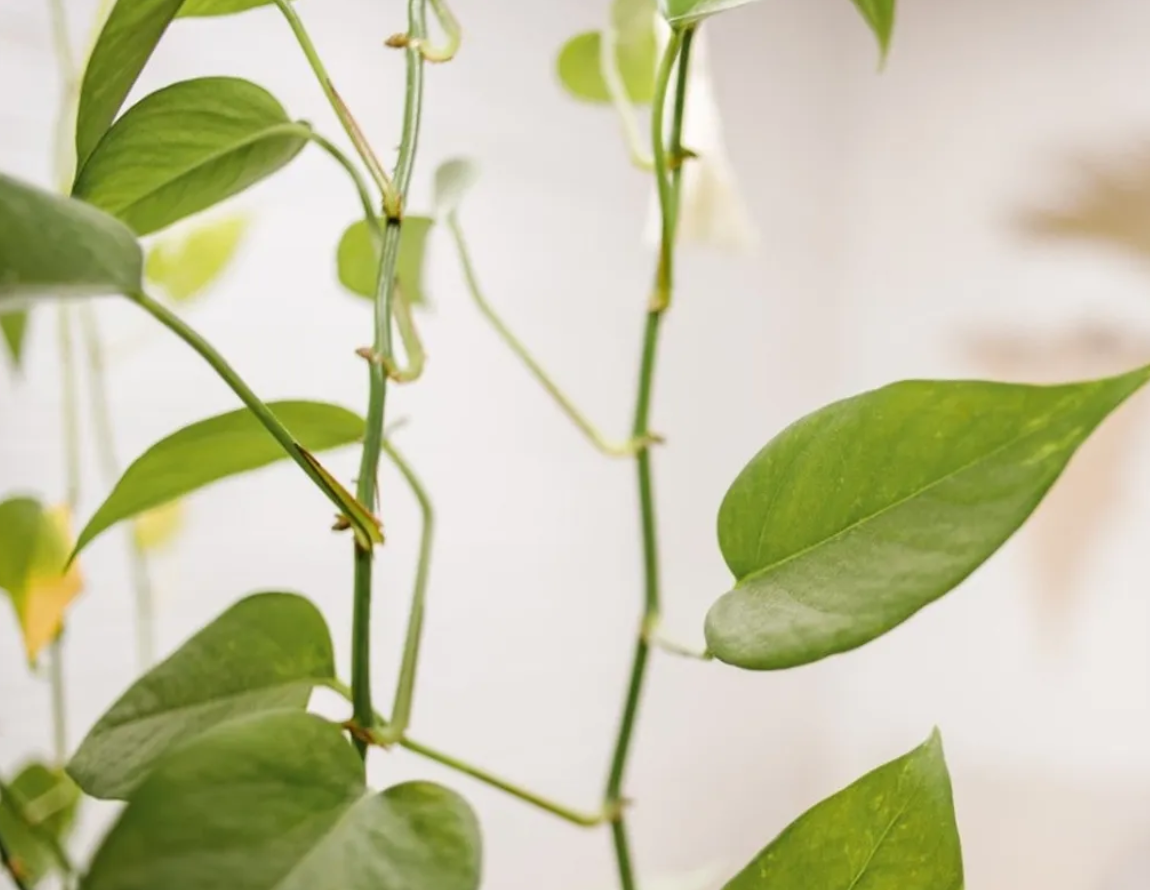
Visual Identification: What Does Leggy Growth Look Like?
Leggy Philodendrons typically have:
- Long, stretched stems: The plant’s stems are noticeably elongated, with more space between leaves.
- Sparse foliage: Leaves are scattered or sparse, giving the plant a thin, wispy appearance.
- Uneven growth: The plant may seem top-heavy or unbalanced, often with new growth reaching out as if searching for light.
Common Causes Overview
Several factors contribute to this leggy appearance:
- Inadequate light: Insufficient light causes plants to stretch in search of brighter spots.
- Natural growth habit: Some Philodendron varieties naturally grow tall and may require regular pruning to stay bushy.
- Improper fertilization: Lack of essential nutrients weakens stems, encouraging stretch instead of dense growth.
- Lack of pruning: Failing to trim back elongated stems allows the plant to continue growing lanky. Understanding which of these factors applies to your plant is the first step in correcting its growth pattern.
Section 2: Diagnosing the Exact Cause
Follow a Step-by-Step Diagnostic Process
Pinpointing the reason your Philodendron is leggy involves observing your plant’s environment and recent care routines.
Cause 1: Insufficient Lighting
- Signs: Stretched stems, leaning toward the window, or pale leaves.
- Check: Is your plant receiving bright, indirect light? If it’s placed in a low-light corner or behind thick curtains, it’s likely not enough.
Cause 2: Natural Growth Tendency
- Signs: Certain Philodendron varieties (like Philodendron ‘Xanadu’ or ‘Brazil’) naturally grow tall and may require regular pruning.
- Check: Identify your specific variety and research its typical growth habit.
Cause 3: Poor Fertilization
- Signs: Weak, thin stems and slow or uneven growth.
- Check: Have you been fertilizing your plant regularly? A lack of nutrients can cause weak, leggy growth.
How to Tell Which Cause Applies
- Observe light conditions: Is your plant in a sunny spot? Or in dim corners?
- Look at growth pattern: Are all stems elongated or only certain parts?
- Recent care routine: Have you been fertilizing regularly? How often do you prune? By analyzing these signs, you can identify the primary cause or combination of causes for your Philodendron’s leggy growth.
Section 3: Treatment Solutions
Implementing Fixes Based on Diagnosis
Once you know the cause(s), follow these specific steps to restore your plant’s health:
Immediate Actions
- Improve lighting: Move your Philodendron closer to a bright, indirect light source. If natural light is limited, consider using grow lights.
- Prune leggy stems: Trim back elongated or sparse stems just above a healthy node to promote bushier growth.
- Fertilize appropriately: Use a balanced, water-soluble houseplant fertilizer to provide essential nutrients.
Long-term Care Plan
- Arrange proper lighting setup: For indoor spaces with limited sunlight, install grow lights or use supplemental LED grow lights to maintain consistent, bright, indirect lighting throughout the year.
- Regular pruning: Make it a routine to trim back leggy stems every few months to encourage dense, bushy growth.
- Consistent fertilization: Follow a schedule—usually every 4–6 weeks during the growing season—to maintain healthy development.
Recovery Expectations
- Timeline: With proper care, you should start noticing new, bushier growth within three to six months. Patience and consistency are key!
Section 4: Prevention Tips
Keep Leggy Growth at Bay with Steady Care
Prevention is always preferable to correction after the fact. Here are tips for maintaining a healthy, bushy Philodendron:
- Maintain adequate light year-round: Ensure your plant gets at least 4–6 hours of bright, indirect sunlight daily.
- Prune regularly: Remove any elongated stems or leggy growth to promote fuller, more compact development.
- Monitor environmental conditions: Keep the temperature stable, ideally between 65–80°F (18–27°C), and maintain humidity around 60%. Avoid drafts, cold spots, and low-light zones.
- Fertilize consistently: During the active growing season (spring and summer), feed your plant every 4–6 weeks with a balanced fertilizer. By building these habits, your Philodendron will develop a fuller, more vibrant appearance naturally.
Conclusion
Addressing leggy Philodendron growth involves a combination of diagnosing light levels, pruning, and providing proper nutrients. With attentive care, your plant can transform from elongated and sparse to lush and bushy. Remember, each step you take—whether adjusting lighting, pruning, or fertilizing—is a move toward vibrant, healthy growth. Encouragement: Don’t get discouraged if your plant takes some time to bounce back. Your attention and care are the best tools to restore its natural beauty. Next steps: Start by evaluating your light setup and pruning your Philodendron correctly. Continue with consistent watering, proper fertilization, and regular monitoring. Your leafy friend will thank you!
FAQ
Q: How long until I see improvement after fixing the light or pruning?
A: Typically, you should notice new growth within 2 to 3 months after making care adjustments. Patience is key, as plants need time to recover and develop healthy new stems.
Q: Can I prune my Philodendron to encourage bushier growth, and how?
A: Yes! Pruning is an excellent way to promote bushiness. Cut back leggy stems just above a node—where leaves or roots emerge—to encourage the plant to produce new shoots from that point. Regular pruning keeps the plant full and healthy.
Q: What are the best practices to maintain healthy, non-leggy growth in the long run?
A: Keep your Philodendron in bright, indirect light, prune regularly, fertilize monthly during the growing season, and monitor environmental conditions like humidity and temperature. These practices will help your plant maintain a lush and compact appearance over time.
By following these simple, practical tips, you’ll soon enjoy a healthier, more vibrant Philodendron that’s the centerpiece of your indoor space!