Discover why your ZZ plant's leaves are drooping and learn practical steps to diagnose, treat, and prevent this common issue. Keep your plant thriving! Indoor gardening is a rewarding hobby, and the ZZ plant (Zamioculcas zamiifolia) is a favorite among plant enthusiasts for its low-maintenance nature and striking appearance. However, even the hardiest of plants can sometimes show signs of distress, and drooping leaves are among the most common worries. If you’re asking, "Why is my ZZ plant having drooping leaves?", don’t worry — this guide will walk you through understanding this problem and how to address it effectively. With a bit of patience and proper care adjustments, your ZZ plant can bounce back and continue to beautify your indoor space. Let’s dive into understanding the causes, diagnosing the issue, and implementing the right solutions.
Understanding the Problem
Visual identification of drooping leaves
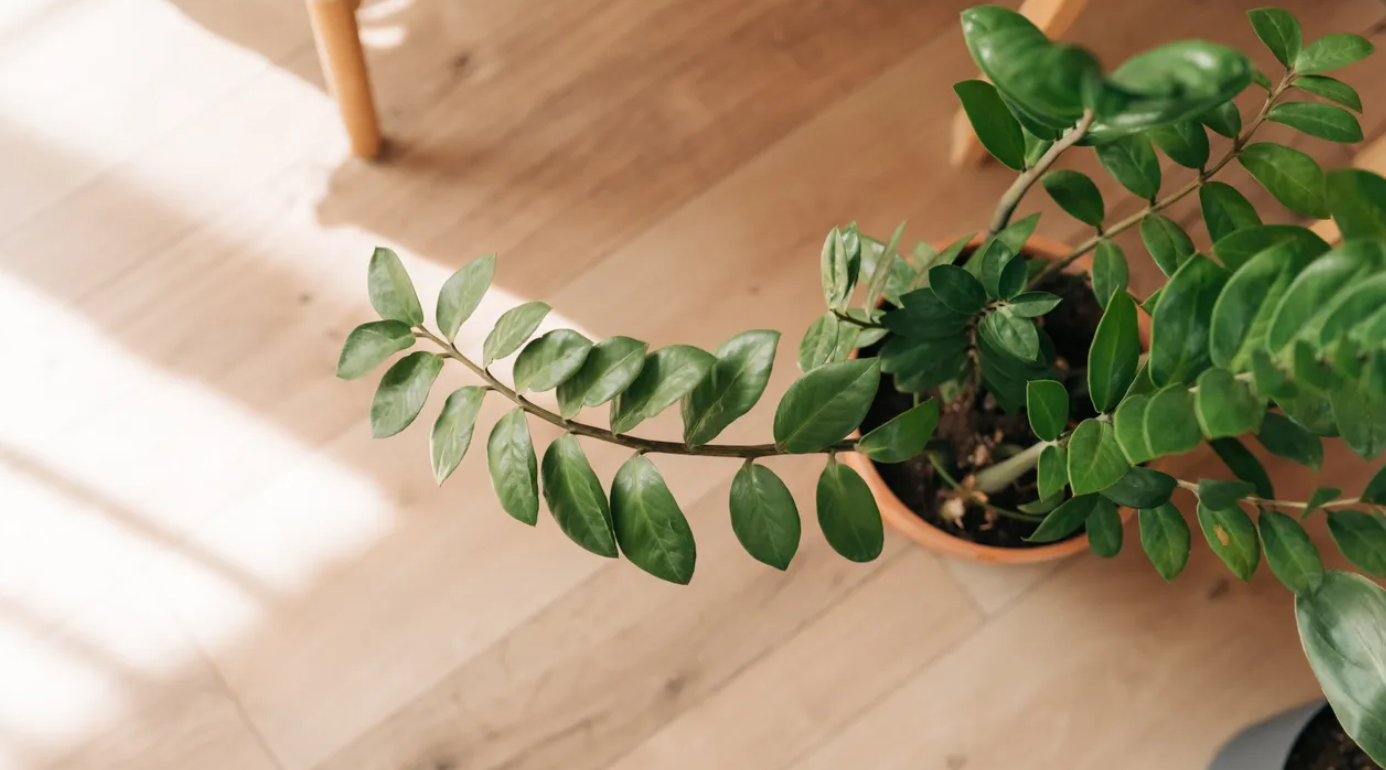
Drooping leaves in a ZZ plant typically look like this: the leaves, which are usually straight and upright with a glossy sheen, begin to bend downward or sag. They may appear wilted or floppy, and sometimes they feel softer than usual. You might notice some leaves curling at the edges or a general decline in the plant’s overall posture.
Common causes overview including watering issues, environmental stress, and pests
Several factors can cause drooping leaves, and often, they’re related to care or environmental conditions. The main culprits include:
- Overwatering leading to root rot
- Underwatering or drought stress
- Insufficient or inconsistent lighting
- sudden changes in temperature or humidity
- Pests or diseases damaging the plant Understanding each cause helps you diagnose the problem more precisely and apply the correct remedy.
Diagnosing the Exact Cause
Follow a step-by-step process to determine what's causing the drooping.
- Examine your watering habits and soil moisture.
- Check the roots for signs of rot or damage.
- Assess the lighting conditions — is your plant getting enough indirect light?
- Observe environmental factors like drafts, temperature swings, or low humidity.
- Inspect leaves closely for pests such as scale, mealybugs, or spider mites.
Cause 1: Overwatering leading to root rot
Overwatering is a common mistake with ZZ plants since they prefer their soil to dry out between watering. Excess moisture can cause roots to rot, which hampers nutrient absorption and leads to drooping leaves. You may notice black, mushy roots when you check the root system.
Cause 2: Underwatering or drought stress
While ZZ plants are drought-tolerant, neglecting watering altogether can also cause leaves to droop. The plant’s leaves may appear limp and lose their firm texture, especially if the soil is bone dry.
Cause 3: Insufficient light or sudden environmental changes
ZZ plants thrive in bright, indirect light. A sudden move to a darker area or a significant change in the environment (like cold drafts or heat from air conditioners) may cause stress, resulting in droopy foliage.
How to tell which cause applies to your plant
- Check soil moisture: Use a moisture meter or stick your finger about 2 inches into the soil. If it’s too wet or too dry, you’ve pinpointed your issue.
- Inspect roots: Carefully remove the plant from its pot to look for rotting roots or pests.
- Observe location: Has the plant been moved recently? Is it in a spot with adequate light?
- Look for pests: Tiny specks or webbing can indicate pest problems.
Treatment Solutions
Practical fixes tailored to each cause, from immediate actions to longer-term care.
Immediate water management: adjusting watering schedule
- If the soil feels soggy or waterlogged, reduce watering immediately. Let the soil dry out completely before watering again.
- If the soil is very dry, increase watering gradually, ensuring you don’t drown the roots.
Repotting and root treatment for root rot
- Gently remove the plant from the pot.
- Rinse off the roots and cut away any black, mushy, or rotten roots with sanitized scissors.
- Repot in well-draining soil specifically formulated for succulents or cacti, with a good drainage pot.
Adjusting lighting and environmental conditions
- Move your ZZ plant to a bright spot with indirect sunlight.
- Avoid sudden temperature fluctuations or drafts; keep the plant in a consistent, warm environment (ideally between 65°F and 75°F).
Natural remedies like neem oil for pests, if applicable
- If pests are present, apply neem oil or insecticidal soap following the instructions.
- Wipe leaves gently to remove pest eggs or debris.
Monitoring recovery and signs of improvement
- After implementing these changes, observe your plant's leaves over a few weeks.
- Healthy, firm leaves indicate recovery.
- Continue adjusting as needed, maintaining a stable care routine.
Prevention Tips
Strategies to keep your ZZ plant healthy and prevent future drooping.
Establish a consistent watering routine
- Water only when the top inch of soil is dry.
- Use a moisture meter for accuracy if unsure.
Optimize light and humidity levels
- Place your ZZ plant near an east or west-facing window.
- If indoors with low humidity, consider using a humidifier or misting sparingly.
Regular inspection for pests and diseases
- Check your plant weekly for signs of pests or fungal issues.
- Isolate new plants before introducing them to your collection.
Proper soil and pot drainage
- Use a well-draining potting mix tailored for succulents.
- Ensure the pot has drainage holes to prevent waterlogging.
Conclusion
Summary
Drooping leaves in your ZZ plant can be caused by overwatering, underwatering, environmental changes, or pests. The key to remedying this issue involves diagnosing the root cause, adjusting your care routine accordingly, and providing the optimal environment.
Encouragement
With attentive care and timely action, your ZZ plant will recover and flourish once again. Don’t be discouraged — every plant issue is an opportunity to learn and become a better plant parent!
Next steps
- Follow the diagnostic steps outlined above.
- Correct your watering, lighting, and environmental practices.
- Monitor your plant’s progress regularly.
- Enjoy the process of nurturing your green companion back to health.
Q: Why does my ZZ plant’s leaves droop suddenly?
A: Sudden drooping often indicates a quick change in watering habits, such as overwatering causing root rot or underwatering leading to drought stress. Environmental shifts like temperature drops or moving to a darker spot can also trigger drooping.
Q: How long does it take for a drooping ZZ plant to recover?
A: Recovery time varies depending on the cause and severity. Mild cases may show improvement within a few weeks after adjusting watering and lighting. Severe root rot may take longer, requiring repotting and dedicated care to restore health.
Q: Should I prune drooping or damaged leaves?
A: Yes, trimming away severely drooping, yellowed, or damaged leaves can help the plant focus energy on healthy growth and improve overall appearance. Use clean, sharp scissors and avoid removing more than a third of the plant at once.
By understanding your ZZ plant’s needs and paying close attention to subtle signs, you can prevent drooping leaves and help your plant thrive for years to come. Happy gardening!