Struggling with leaf drop on your Fiddle Leaf Fig's new growth? You're not alone. Many indoor plant enthusiasts encounter this issue and feel worried about their beloved plant’s health. The good news is that with some understanding and proper care, you can help your Fiddle Leaf Fig recover and flourish again. This article will guide you through the common causes of leaf drop on new growth, how to accurately diagnose the problem, and practical solutions to revive your plant. Whether you’re a beginner or an intermediate plant parent, these tips will empower you to give your Fiddle Leaf Fig the care it needs to thrive.
Understanding the Problem
Visual identification: Recognizing leaf drop and related symptoms
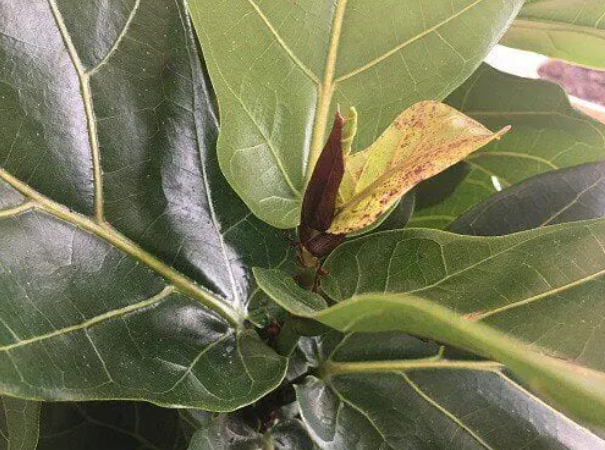
When your Fiddle Leaf Fig’s new leaves start dropping prematurely, it can be alarming. Typically, you might notice:
- Small or newly sprouted leaves turning yellow, wilting, and falling off.
- Drooping or curling of new leaves before they drop.
- Stunted or discolored new growth.
- Sometimes, the older leaves remain healthy while only the new growth is affected. These symptoms can point to specific issues that need attention.
Common causes overview
Several factors may cause leaf drop on your Fiddle Leaf Fig’s new growth, including:
- Overwatering or underwatering: Both extremes can stress the plant.
- Environmental stress: Fluctuations in light, temperature, or humidity.
- Pest infestation or disease: Pests like spider mites or scale insects, or fungal infections.
- Nutrient deficiencies: Lack of essential nutrients can weaken new growth.
- Root problems: Poor drainage or root rot can cause stress that manifests as leaf drop. Understanding these causes helps you pinpoint the exact issue affecting your plant.
Diagnosing the Exact Cause
Follow these steps to identify why your plant's new leaves are dropping
Cause 1: Overwatering or inconsistent watering
- Check the soil moisture with your finger or a moisture meter.
- If the soil feels soggy or waterlogged, overwatering is likely.
- Signs include yellowing leaves, root rot smell, and mushy roots.
Cause 2: Improper lighting or temperature fluctuations
- Ensure your Fiddle Leaf Fig is getting bright, indirect light.
- Avoid sudden changes in temperature or drafts from windows or air conditioners.
- Temperature should ideally be between 65-75°F (18-24°C).
Cause 3: Pest infestation or disease
- Inspect leaves, stems, and the soil surface for pests like spider mites, scale, or mealybugs.
- Look for webbing, tiny insects, or sticky residue.
- Fungal or bacterial infections may cause spots or mold.
How to tell which one it is: diagnostic tips and signs to look for
- Overwatering: Soggy soil, root rot smell, and yellowing leaves.
- Underwatering: Dry soil, crispy leaf edges, and drooping new leaves.
- Lighting issues: Leggy growth, pale leaves, or leaf drop after moving the plant.
- Pests: Visible insects, webbing, or sticky residue.
- Disease: Discolored spots, mold, or soft, rotting stems. Accurate diagnosis is key to applying the right remedy.
Treatment Solutions
Implement targeted fixes based on the diagnosed cause for effective recovery
Immediate actions: adjust watering, improve light conditions, inspect for pests
- For overwatering: Allow the soil to dry out completely before watering again. Remove any affected roots and repot if necessary.
-
For underwatering: Water thoroughly when the top inch of soil feels dry.
-
For lighting: Move your plant to a brighter location with indirect sunlight.
- For pests: Use insecticidal soap or neem oil, and wipe leaves gently.
Long-term treatment plan: consistent watering schedule, optimal lighting, pest control methods
- Establish a regular watering routine—typically once a week, adjusting for season and environment.
- Ensure your Fiddle Leaf Fig receives bright, indirect light for at least 4-6 hours daily.
- Maintain stable temperatures and humidity levels.
- Use balanced, water-soluble fertilizer every month during the growing season.
- Regularly inspect for pests and treat promptly if detected.
Recovery expectations: how quickly you might see new healthy growth
- With proper care, you may start noticing new, healthy leaves within a few weeks.
- Existing leaf drop is often a natural shedding process, but new growth should be vigorous once conditions improve.
Prevention Tips
Avoid future leaf drop issues with proper care routines and environmental adjustments
Care routine adjustments
- Water wisely: Let soil dry slightly between waterings, avoiding both soggy and dry conditions.
- Fertilize regularly: Use a balanced fertilizer during the growing season to support healthy new growth.
- Prune dead or damaged leaves: This encourages healthy growth and prevents pest or disease buildup.
Environmental factors
- Maintain humidity: Fiddle Leaf Figs prefer 40-60% humidity. Use a humidifier or mist leaves if air is dry.
- Stabilize temperature: Keep your plant away from drafts, heaters, or air conditioners.
- Optimize lighting: Place your plant near a bright window with filtered light, or supplement with grow lights if needed.
Conclusion
Recap of causes, diagnostic steps, and remedies for leaf drop on your Fiddle Leaf Fig
In summary, leaf drop on new growth can stem from overwatering, underwatering, inconsistent lighting, pests, or environmental stress. Proper diagnosis involves careful observation of your plant’s environment, soil moisture, and signs of pests or disease. Once the cause is identified, targeted treatment—adjusting watering habits, improving light, controlling pests—can help your Fiddle Leaf Fig recover.
Encouragement
Remember, patience and consistent care are your best allies. Most issues can be resolved, and your plant can bounce back stronger than before.
Next steps
Start with diagnosing the cause of leaf drop, then apply the appropriate interventions. Keep monitoring your plant’s progress and adjust your care routine as needed. With time and effort, your Fiddle Leaf Fig will regain its vibrancy and continue to be a beautiful focal point in your home.
FAQ
Q: How long does it take for my Fiddle Leaf Fig to recover after leaf drop?
A: Recovery time varies depending on the cause and severity. Typically, you can expect to see new healthy growth within 3 to 8 weeks after correcting the issue. Patience is key, and consistent care will promote faster recovery.
Q: Can I prune the dropped leaves or damaged stems?
A: Yes, pruning can help your plant focus energy on new growth. Use clean, sharp scissors to remove any damaged or dead leaves and stems. Pruning also improves airflow and reduces the risk of pests or disease.
Q: What are the best preventive measures to avoid leaf drop in the future?
A: Maintain a stable environment with proper lighting, humidity, and temperature. Follow a consistent watering schedule, avoid over- or underwatering, fertilize regularly, and inspect your plant for pests. These steps create a healthy environment that minimizes leaf drop.
Taking care of a Fiddle Leaf Fig may require patience, but your efforts will be rewarded with a lush, vibrant plant. Keep observant, adapt your care routine as needed, and enjoy the process of nurturing your indoor green companion!