Learn practical steps to identify, treat, and prevent drooping leaves in your Spider Plant. Keep your plant healthy and vibrant with these expert tips.
Introduction
Noticing your Spider Plant's leaves drooping can be worrying—it's natural to feel concerned when your lush indoor foliage suddenly looks sad. But don't worry! Drooping leaves are often a sign that your plant needs some attention, and with just a few simple adjustments, you can help your Spider Plant recover quickly. As a friendly plant enthusiast and expert, I’m here to guide you through understanding what’s going on, diagnosing the cause, and taking effective action. In this article, we'll explore how to fix Spider Plant drooping leaves by identifying the root causes, applying targeted treatments, and adopting preventive care routines. Whether you're a beginner or an intermediate plant parent, these tips will restore your Spider Plant’s health and keep it thriving.
Section 1: Understanding the Problem
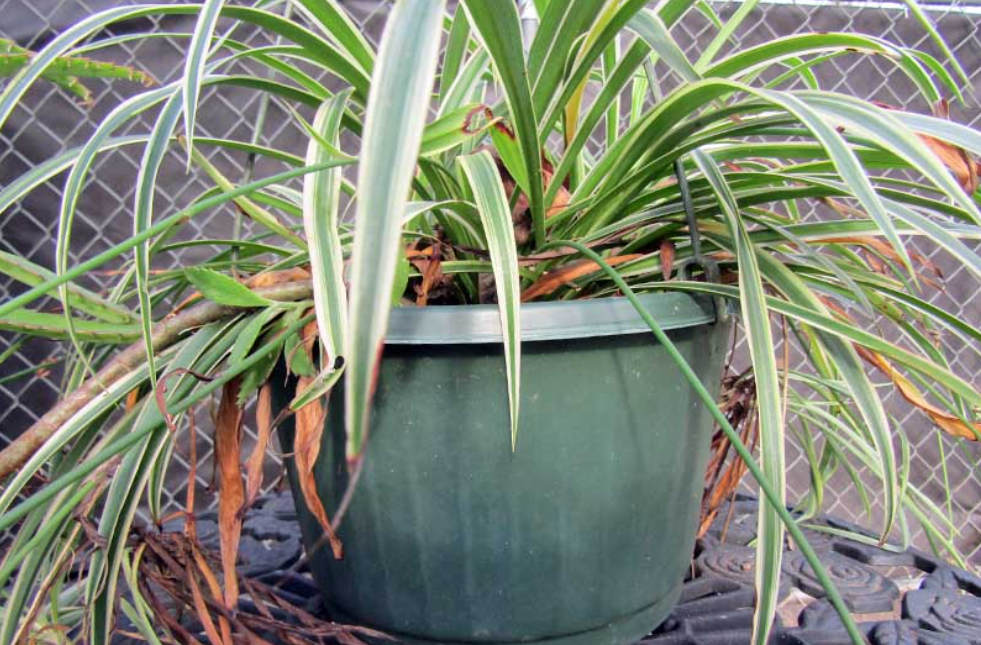
Visual Identification of Drooping Leaves
Drooping leaves in a Spider Plant often look like limp, sagging foliage that hangs downward instead of standing upright or slightly arching. The leaves may appear discolored, wilted, or brown at the tips if the problem persists. Sometimes, the drooping can be subtle, just a slight sag, but it can also be quite noticeable, especially on multiple leaves.
Common Causes Overview
Several factors can cause drooping leaves in your Spider Plant, including:
- Overwatering: Excess water leading to root rot and soft, limp leaves.
- Underwatering: Insufficient water causing dehydration and wilting.
- Improper Light: Too little or too much direct sunlight stressing the plant.
- Drafts and Temperature Fluctuations: Cold drafts or extreme temperatures inhibiting growth.
- Pests: Infestations like spider mites or scale insects weakening the plant. Understanding these common causes is the first step toward restoring your plant’s vitality.
Section 2: Diagnosing the Exact Cause
Cause 1: Overwatering
If your Spider Plant's leaves are soft, yellowing, or mushy, overwatering is likely the culprit. Symptoms include waterlogged soil, a foul smell, and roots that may be dark or rotting.
Cause 2: Underwatering
Conversely, if the soil feels very dry and leaves are crispy or brown at the tips, your plant may be dehydrated. Wilting, especially during hot periods, is a typical sign.
Cause 3: Improper Environmental Conditions
Cold drafts or low humidity can cause stress, leading to drooping and dull-looking leaves. Also, placing your plant in an area with fluctuating temperatures or near vents can be problematic.
How to Tell Which Cause Applies to Your Plant
- Check the soil moisture: Stick your finger about 1-2 inches into the soil. Is it moist or dry?
- Inspect the roots: Carefully remove the plant and examine the roots for rot or damage.
- Observe the environment: Is your plant near a heat source, drafty window, or in direct sunlight?
- Assess watering habits: Have you been watering infrequently or too often? Once you’ve pinpointed the cause, you can proceed to targeted treatments.
Section 3: Treatment Solutions
Immediate Actions
- Adjust watering practices: Let the soil dry out slightly for overwatered plants, or water more frequently for underwatered ones.
- Check roots: Remove the plant from its pot to inspect for root rot. Trim away any mushy, dark roots with sanitized scissors.
- Relocate your plant: Move it to a spot with consistent, bright, indirect light and away from drafts or temperature extremes.
Long-term Treatment
- Improve drainage: Ensure your pot has drainage holes and avoid letting excess water accumulate.
- Modify lighting: Place your plant where it gets bright, indirect sunlight—avoiding direct afternoon sun that can scorch leaves.
- Increase humidity: Mist the leaves regularly or place a humidifier nearby, especially if your home is very dry.
Monitoring Recovery
- Look for signs of improvement, such as firm, perky leaves and healthy new growth.
- If leaves are severely damaged or brown, prune them back to encourage new, healthy foliage.
- Regularly check soil moisture and environmental conditions to maintain optimal care.
Section 4: Prevention Tips
Maintain Consistent Watering Habits and Proper Drainage
Water only when the top inch of soil feels dry. Use pots with drainage holes to prevent waterlogging.
Ensure Appropriate Lighting
Your Spider Plant thrives in bright, indirect light. Avoid placing it in direct sunlight, which can scorch leaves, or in deep shade, which can weaken growth.
Protect from Drafts and Temperature Extremes
Keep your plant away from cold drafts, heating vents, or windows that expose it to sudden temperature drops.
Regularly Check for Pests
Inspect your plant for common pests like spider mites or scale insects. Remove any affected leaves and treat with natural insecticidal soap if needed.
Conclusion
Quickly diagnosing and treating drooping leaves is essential for a healthy, vibrant Spider Plant. With patience, careful observation, and some adjustments to your care routine, your plant can bounce back in no time. Remember, consistent watering, proper lighting, and an environment free of drafts are key to preventing future drooping issues. Next steps: Apply these troubleshooting tips today, monitor your plant’s response, and enjoy the process of nurturing a thriving, beautiful indoor garden. Your Spider Plant will thank you with lush, cheerful foliage!
FAQ
Q: How long until I see improvement after treatment?
A: Recovery time varies depending on the cause. Typically, you’ll notice signs of improvement within a week to ten days after adjusting watering, light, or environment. Keep observing your plant’s response and continue consistent care.
Q: Will my Spider Plant fully recover if the leaves are severely drooped or brown?
A: Severely drooped or brown leaves may not recover, but your plant can bounce back through new growth if the underlying issues are corrected. Prune away dead or damaged leaves to encourage healthy growth and improve appearance.
Q: Should I prune or cut off the drooping leaves?
A: Yes. Pruning severely drooped or brown leaves helps redirect the plant's energy toward new, healthy growth. Use clean, sharp scissors to remove affected foliage, taking care not to damage healthy parts of the plant.
By understanding the causes and applying these practical solutions, you can easily fix Spider Plant drooping leaves and ensure your indoor greenery remains gorgeous and healthy. Happy Plant Parenting!