Learn the effective ways to diagnose and fix pale leaves on your Calathea, ensuring healthy, vibrant foliage with proven care tips.
Introduction
If your Calathea's leaves are turning pale, don't worry—you're not alone, and there are simple steps you can take to revive it. Many indoor plant enthusiasts notice their Calathea losing its lush, deep-green vibrancy and feel concerned about its health. The good news is that pale or washed-out leaves are often a sign of environmental or care issues that are fixable with a bit of attention and adjustment. This guide will help you identify the cause of pale leaves, diagnose the problem accurately, and provide practical treatment and prevention strategies. With patience and proper care, your Calathea can regain its vibrant color and thrive once again.
Section 1: Understanding the Problem
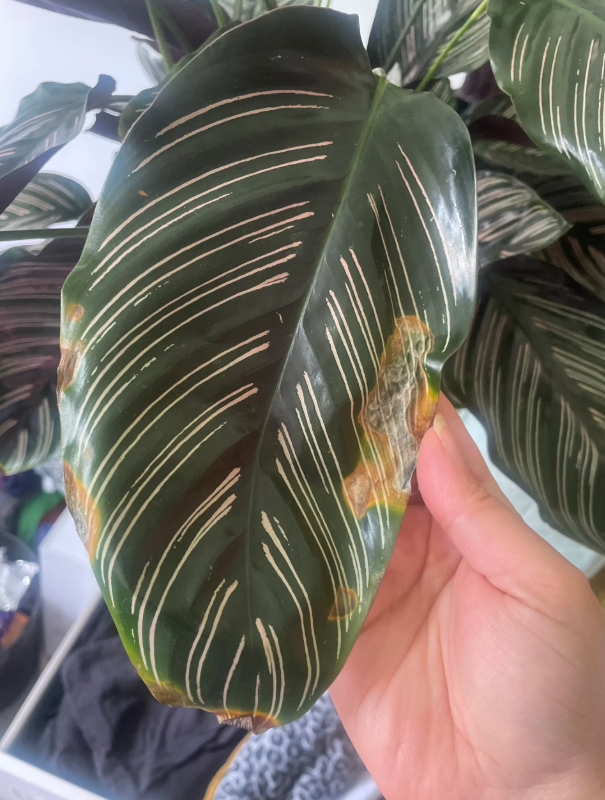
Recognize What Pale or Washed-Out Leaves Look Like in Calathea
Pale leaves on a Calathea typically appear dull, faded, or lacking their usual rich green hue. You might notice the leaf color is lighter than normal, with some leaves showing a lack of vibrancy, almost feeling washed out or translucent. In some cases, the leaves may develop yellowish tints or look slightly droopy and unhealthy.
Common Causes Overview
Several factors can cause Calathea leaves to become pale, including:
- Improper lighting: Too much direct sunlight or insufficient light can cause leaf discoloration.
- Watering issues: Overwatering leads to root problems, while underwatering causes stress—both resulting in pale foliage.
- Nutrient deficiencies: Lack of essential nutrients like nitrogen can dull the leaf color.
- Pests and disease: Infestations or infections can weaken the plant and cause discoloration.
- Environmental stress: Low humidity, drafts, or extreme temperature fluctuations can stress the plant, leading to pale leaves.
Section 2: Diagnosing the Exact Cause
Follow a Step-by-Step Process
Accurately diagnosing why your Calathea's leaves are pale is essential for effective treatment. Here's how to approach it:
Cause 1: Insufficient or Improper Lighting
Calatheas thrive in bright, indirect light. Direct sunlight can scorch leaves, causing them to look bleached or faded, while too little light leads to poor chlorophyll production, resulting in pale foliage. Observation tips:
- Check if your plant is placed near a south-facing window with direct sun.
- Observe if the leaves are bleaching or developing brown patches.
Cause 2: Watering Problems
Overwatering causes root rot, preventing nutrients from reaching the leaves, which turn pale. Underwatering stresses the plant, making foliage dull and limp. Environmental clues:
- Check if the soil feels soggy or overly dry.
- Examine the drainage and watering schedule.
Cause 3: Lack of Humidity or Incorrect Temperature
Calatheas love high humidity (50-60%) and stable temperatures (65–80°F). Dry air causes leaf edges to crisp and leaves to turn dull. Signs:
- Dry, crispy leaf edges.
- Leaves losing their vibrant color in dry environments.
How to Tell Which Cause Applies
- Look at the overall condition: Are the leaves soft and drooping or dry and crispy?
- Examine the environment: Is your room overly dry or drafty?
- Assess watering habits: Is the soil consistently wet or too dry?
- Consider light exposure: Is the plant in direct sun or shaded? Combining these observations will help you pinpoint the true cause of your Calathea's pale leaves.
Section 3: Treatment Solutions
Immediate Actions
Adjust Light Exposure:
Move your Calathea to an area with bright, indirect light. Avoid direct sun to prevent leaf scorch. Near east or north-facing windows usually work well.
Correct Watering Habits:
- Water only when the top inch of soil feels dry.
- Ensure the pot has proper drainage to prevent waterlogging.
-
Use room-temperature, filtered water if possible. Increase Humidity:
Boost humidity by: -
Placing a humidifier nearby.
- Using a pebble tray with water beneath the pot.
- Misting foliage daily, especially in dry indoor environments.
Long-term Treatment Plan
Fertilizing Appropriately:
Feed your Calathea with a balanced, water-soluble fertilizer diluted to half strength every 4-6 weeks during the growing season. This provides essential nutrients, especially nitrogen, to promote lush, green leaves.
Repotting if Needed:
If roots are rotting or the soil is compacted, consider repotting into fresh, well-draining soil. Use a pot with drainage holes to prevent overwatering.
Monitoring Recovery
Look for signs of improvement:
- Leaves regain vibrancy.
- New growth appears healthy and green.
- Overall plant size and leaf health improve over a few weeks. If no improvement occurs despite adjustments, reassess environmental factors or consult a plant specialist.
Section 4: Prevention Tips
Care Routine Adjustments
- Maintain a consistent watering schedule, checking soil moisture regularly.
- Use a balanced fertilizer during active growth periods.
- Keep leaves clean by gently wiping with a damp cloth to prevent dust buildup.
Environmental Factors
- Place your Calathea where it receives bright, indirect light—not direct sun.
- Keep room temperatures stable between 65–80°F.
- Use a humidifier or other methods to maintain adequate humidity.
- Avoid placing the plant near drafts, heaters, or cold windows. By proactively managing these factors, you can prevent future episodes of pale leaves and keep your Calathea healthy and vibrant.
Conclusion
Addressing pale leaves on your Calathea involves careful diagnosis of environmental stresses and thoughtful adjustments to your care routine. Often, issues like improper lighting, watering problems, or dry air are at the root of discoloration. With patience, a little investigation, and targeted care, your Calathea can bounce back and display its lush, vibrant foliage once more. Remember, every healthy leaf is a sign of a happy plant—keep nurturing yours with love and attention.
FAQ
Q: How long until I see improvement after adjusting care?
A: Typically, you can expect to see signs of recovery within 2 to 4 weeks. New leaves should become greener, and existing leaves may regain their vibrancy if the underlying issues are addressed promptly.
Q: Can my Calathea fully recover from pale leaves?
A: Yes, with proper care and environmental adjustments, a Calathea can fully recover. However, if damage is severe or leaves are extensively affected, some discoloration may persist temporarily, or the plant might develop new, healthy foliage.
Q: Should I prune pale or damaged leaves?
A: Yes, it's advisable to prune dull or damaged leaves. Removing them encourages the plant to focus energy on healthy growth and improves its overall appearance. Use clean, sharp scissors or pruning shears to make clean cuts at the base.
With these insights and care tips, you're equipped to help your Calathea regain its health and charm. Enjoy nurturing your green housemate!