Struggling with drooping Calathea leaves? You're not alone. Many indoor plant enthusiasts notice their Calathea's vibrant foliage suddenly sagging and feel worried about their plant's health. But don’t despair! Drooping leaves are often an early sign that your plant needs some adjustments—whether in watering, humidity, or lighting. The good news is that with some simple diagnostics and care tweaks, your Calathea can bounce back and thrive once again.
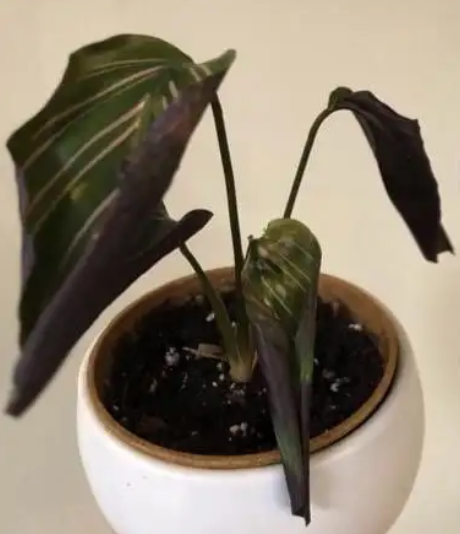
This guide will help you identify the causes of drooping, diagnose your plant’s specific issue, and apply effective solutions. With patience and attentive care, you'll soon see your Calathea’s leaves perk up and display their stunning, vibrant patterns again.
Section 1: Understanding the Problem
Recognize What Drooping Leaves Look Like and Common Reasons Behind Them
Drooping leaves typically appear as leaves that bend downward, lose their firm posture, or seem wilted even when there's no visible damage. These visual cues are often the plant’s way of signaling distress or imbalance.
Common Causes Overview:
- Overwatering: Consistently wet soil can suffocate roots, leading to root rot and drooping.
- Underwatering: Insufficient water causes dehydration, making leaves dry, limp, and sagging.
- Low Humidity: Calatheas thrive in high humidity environments; dry air can cause leaves to droop and develop brown edges.
- Improper Lighting: Too much direct sunlight can scorch leaves, while too little light can weaken the plant, both potentially causing drooping.
- Stress: Repotting, drafts, or sudden temperature changes can stress the plant, resulting in drooping leaves.
Section 2: Diagnosing the Exact Cause
Follow a Step-by-Step Diagnostic Process
Accurate diagnosis is key to applying the right fix. Here’s how to determine what’s affecting your Calathea:
Cause 1: Overwatering Leading to Root Rot or Waterlogged Soil
- Signs: Soil feels soggy or waterlogged, roots smell foul, and leaves appear limp or yellowish.
- Check: Gently remove the plant from its pot to inspect the roots. Healthy roots are white and firm; rotted roots are brown or black and mushy.
Cause 2: Underwatering Causing Dehydration
- Signs: Soil feels dry several inches below surface, leaves are brittle, curling, or very limp.
- Check: Touch the topsoil to see if it’s dry. Lift the plant gently to assess leaf turgidity.
Cause 3: Low Humidity or Dry Environment
- Signs: Leaves may develop brown edges, tips turn crispy, and overall drooping is observed.
- Check: Use a hygrometer to measure humidity; ideal indoor humidity for Calatheas is between 50-60%.
How to Tell Which Cause Is Responsible—Key Indicators and Checks
- Water status: Feel soil moisture.
- Root health: Inspect roots during repotting.
- Humidity levels: Measure with a hygrometer.
- Lighting conditions: Observe light exposure—direct sun or low-light spots.
Section 3: Treatment Solutions
Apply Targeted Fixes Based on the Diagnosed Cause
Immediate Actions:
- Adjust watering habits: Water only when the top inch of soil feels dry.
- Increase humidity: Use a humidifier, place the pot on a humidity tray with pebbles and water, or mist leaves regularly.
- Reposition for proper light: Place your Calathea in bright, indirect sunlight, avoiding direct sun which can scorch leaves.
Long-term Care Plan:
- Consistent watering schedule: Develop a routine that maintains moist but not waterlogged soil.
- Humidity management: Keep indoor humidity around 50-60%, especially in dry seasons.
- Environmental improvements: Avoid drafts, sudden temperature changes, and ensure stable conditions.
What to Expect During Recovery:
- You’ll notice leaves gradually lifting and regaining their vibrant color.
- Roots will heal if damaged, and new, healthy foliage appears over time.
- Patience is key—full recovery might take a few weeks with consistent care.
Section 4: Prevention Tips
Maintain Optimal Conditions to Prevent Future Drooping
- Adjust watering routines: Always check soil moisture before watering; avoid over- or underwatering.
- Maintain adequate humidity: Use humidifiers or regular misting during dry months.
- Provide proper lighting: Bright, indirect light mimics their natural rainforest habitat.
- Stabilize temperature: Keep indoor temperatures steady, ideally between 65-80°F (18-27°C).
Conclusion
Remember, drooping Calathea leaves are often a sign that your plant needs some adjustments—but they are usually fixable! With careful diagnosis and appropriate care, your Calathea can recover from drooping leaves and regain its stunning, lively foliage. Patience and attentive care are your best tools to nurture this beautiful plant back to health. Keep monitoring your plant, implement the right solutions, and enjoy the satisfaction of nurturing a thriving Calathea. Your green thumb is more powerful than you think!
FAQ
Q: How long until I see improvement after adjusting care?
A: Typically, you may start noticing signs of recovery within a week or two after correcting watering and humidity. However, full recovery, especially if roots were damaged, can take several weeks. Consistency is crucial.
Q: Can my Calathea fully recover from drooping leaves?
A: Yes, most drooping issues are reversible with proper care. The key is diagnosing the underlying cause and addressing it promptly. Healthy roots and a stable environment facilitate full recovery.
Q: Should I prune or trim the drooping leaves?
A: Yes. Trimming severely drooping or damaged leaves can help the plant focus energy on new, healthy growth. Use clean, sharp scissors to prune only the affected parts, avoiding over-trimming.
By following these guidelines, you’re well on your way to restoring your Calathea’s health and vibrancy. Happy planting!