Noticing your Aloe Vera's leaves turning yellow can be worrying, but don't fret—this is a common issue with simple solutions. Whether you're a beginner or an intermediate plant enthusiast, understanding why your Aloe Vera is yellowing and how to fix it can help restore its vibrant health. This guide will walk you through identifying the causes, diagnosing the problem accurately, and applying effective treatments to bring your plant back to life. With proper care adjustments, your Aloe Vera can recover and thrive again.
Section 1: Understanding the Problem
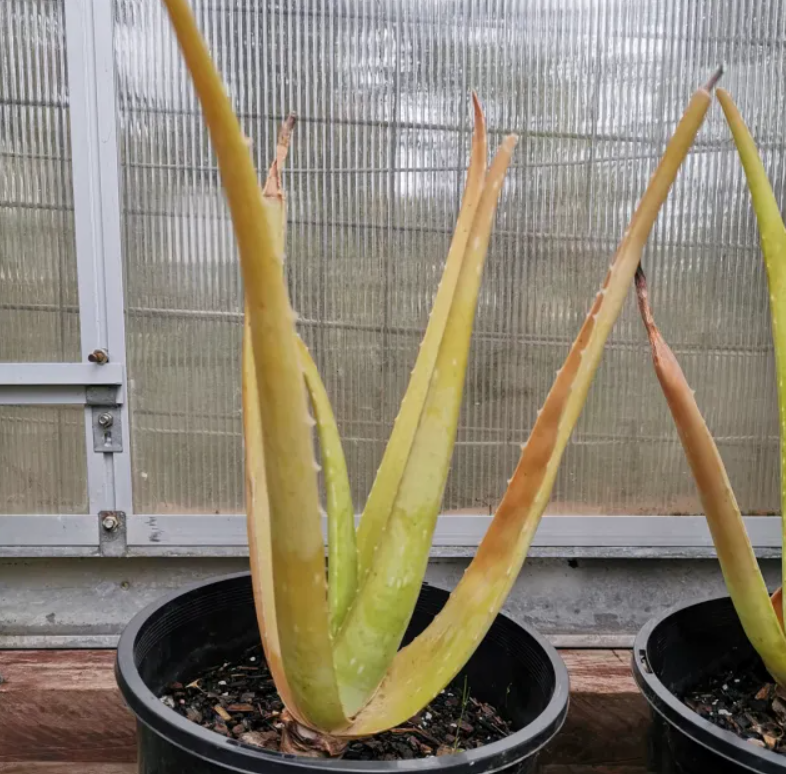
Learn how yellow leaves appear on Aloe Vera and why it happens
Yellowing leaves on Aloe Vera are often the first sign that something isn't quite right with your plant's environment or care routine. Recognizing these symptoms early is key to addressing the issue before it worsens.
Visual identification: Recognizing yellowing leaves and their location on the plant
- Color and appearance: The leaves turn pale yellow to a more vibrant yellow, sometimes with a translucent or waterlogged look.
- Location: Often, the lower leaves are the first to yellow, but yellowing can occur on any part of the plant.
- Texture: The affected leaves may feel soft, mushy, or limp, indicating possible overwatering or rot.
Common causes overview: Overwatering, poor drainage, too much direct sunlight, nutrient deficiencies, or pests
Understanding the common causes helps narrow down the problem:
- Overwatering: Excess water can lead to root rot, causing leaves to yellow and wilt.
- Poor drainage: Compact or unsuitable soil traps moisture, exacerbating root issues.
- Too much direct sunlight: Intense sunlight can scorch leaves, leading to yellow patches or sunburn.
- Nutrient deficiencies: Lack of essential nutrients like nitrogen can cause yellowing.
- Pests: Certain pests, such as mealybugs or scale, weaken the plant, resulting in yellow leaves.
Section 2: Diagnosing the Exact Cause
Follow a step-by-step process to determine what's causing the yellow leaves
Accurate diagnosis is essential for effective treatment. Here’s how to pinpoint the problem:
Cause 1: Overwatering leading to root rot or waterlogged soil
- Check the soil moisture: Insert your finger about an inch deep. If it feels very wet or soggy, overwatering is likely.
- Inspect the roots: Gently remove the plant from its pot and examine the roots. Brown, mushy roots indicate rot.
Cause 2: Excessive direct sunlight causing leaf scorch
- Observe the plant's exposure: Is it in a location with harsh, direct sunlight for many hours? Pale or yellow patches may be signs of sunburn.
Cause 3: Nutrient deficiency or improper soil conditions
- Assess the soil: Is it well-draining and formulated for succulents? Poor soil can cause deficiencies that manifest as yellowing.
How to tell which one it is: Checking soil moisture, light exposure, and inspecting roots
- Soil moisture: Soggy soil points to overwatering.
- Light exposure: Excessive direct sunlight causes scorch marks; insufficient light can also cause yellowing.
- Roots: Rotten roots confirm overwatering; healthy white roots indicate no root rot.
Section 3: Treatment Solutions
Apply targeted remedies based on the diagnosed cause
Once you identify the root problem, implement specific solutions:
Immediate actions to take
- Overwatering: Reduce watering frequency. Allow the soil to dry completely before watering again.
- Sunburn: Move your Aloe Vera to a location with bright, indirect light instead of harsh direct sunlight.
- Root rot: Carefully remove the plant, trim away rotten roots with sterilized scissors, and repot in fresh, well-draining soil.
Long-term treatment plan
- Improve soil drainage: Use a cactus or succulent mix that drains quickly.
- Fertilize properly: During the growing season, feed with a diluted cactus or succulent fertilizer, but avoid overfeeding.
- Monitor environmental conditions: Keep the plant in ideal light, temperature, and humidity ranges.
What to expect during recovery
- New, healthy leaves should emerge within a few weeks.
- The yellow leaves may gradually yellow further and die off; prune these to encourage new growth.
- Patience is key—consistent care ensures your Aloe Vera bounces back.
Section 4: Prevention Tips
Ensure your Aloe Vera stays healthy and vibrant
Prevention is better than cure. Implement these tips to keep your Aloe Vera in top shape:
Care routine adjustments
- Water only when soil is dry: Typically, every 3 weeks or so, depending on your environment.
- Use well-draining soil: A specialized succulent mix prevents waterlogging.
- Avoid overwatering: Remember, succulents store water in their leaves and roots.
Environmental factors to monitor
- Provide bright, indirect sunlight: A sunny windowsill or filtered light works well.
- Maintain proper humidity: Aloe Vera prefers dry air; avoid overly humid conditions.
- Temperatures: Keep within 55-80°F (13-27°C), avoiding frost or extreme heat.
Conclusion
Summary
Yellow leaves on Aloe Vera are often a sign of environmental imbalance or overcare. By diagnosing the cause—whether overwatering, too much direct sunlight, or soil issues—you can apply targeted solutions to restore your plant's health.
Encouragement
Remember, with attentive care and timely intervention, your Aloe Vera can bounce back beautifully. Don't get discouraged; every plant problem is a learning opportunity!
Next steps
Implement the diagnostic steps outlined here, adjust your care routine, and be patient. Your Aloe Vera's vibrant, healthy foliage will thank you for your dedication.
Q: How long until I see improvement after fixing watering issues?
A: Typically, you can expect to see signs of recovery within a few weeks. New healthy leaves should start emerging, and the existing yellow leaves may gradually yellow further and die off. Consistent care is essential for the plant's full recovery.
Q: Can my Aloe Vera fully recover from yellow leaves?
A: Yes, if the underlying cause is correctly diagnosed and treated promptly, Aloe Vera can recover completely. It’s common for the plant to shed the yellowing leaves and produce new, healthy growth over time.
Q: Should I prune the yellow leaves or wait for new growth?
A: It’s best to prune yellow or damaged leaves to improve air circulation and aesthetic appearance. Use sterilized scissors to remove the affected leaves at the base. This encourages new growth and helps prevent disease.
By following these practical steps and maintaining a caring routine, you can restore your Aloe Vera to its lush, vibrant state. Happy gardening!