Quick Summary: Sticky leaves on your Monstera deliciosa can be alarming, but often they’re caused by manageable pests or environmental issues. With proper diagnosis and treatment, your plant can bounce back to vibrant health.
Introduction
If you’ve noticed your Monstera deliciosa has sticky leaves, you might feel worried—this is a common issue many plant parents face. Sticky residue can appear suddenly and might make you wonder what’s wrong. Is it a sign of pests, disease, or something environmental? Rest assured, most of these problems are fixable with some patience and care. The good news? You can restore your Monstera’s lush, glossy foliage and keep it thriving.
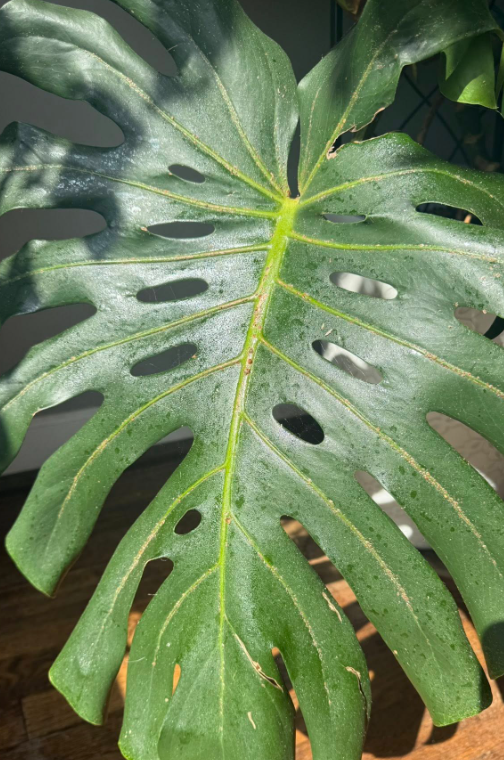
This article will help you identify why your Monstera’s leaves are sticky, guide you through accurate diagnosis, and provide clear, easy-to-follow solutions. Whether it’s pests like scale insects or overwatering issues, we’ll cover everything to help your plant recover quickly. So, take a deep breath—you’re not alone, and your Monstera can be healthy and beautiful again!
Section 1: Understanding the Problem
Sticky leaves on your Monstera deliciosa can be a symptom of various underlying issues. Recognizing what’s happening is the first step toward fixing the problem effectively.
Visual identification of sticky leaves
Look closely at your plant’s foliage. Do the leaves feel shiny or coated with a sticky film? You might notice a faint sheen or a visible residue that looks like glue or sap. Sometimes, the sticky layer is accompanied by other signs like discolored patches, tiny insects, or a sooty film.
Common causes overview
The main culprits behind sticky leaves are:
- Pest infestations: Sap-sucking insects such as scale insects, mealybugs, or spider mites secrete sticky substances as they feed.
- Fungal or bacterial infections: Certain diseases produce sticky exudates or mold that appear as residues.
- Environmental factors: Overwatering or high humidity can cause the plant’s sap or bacterial growth to leak, creating stickiness. Understanding which of these is affecting your Monstera is essential to choosing the right treatment. Let’s explore how to diagnose the exact cause.
Section 2: Diagnosing the Exact Cause
Follow these steps to pinpoint why your Monstera deliciosa leaves are sticky.
Cause 1: Sap-sucking insects such as scale insects, mealybugs, or spider mites
Symptoms: Tiny insects or their residues, masses of white or brown waxy scales, or fine webbing. How to confirm:
- Examine the undersides and stems of leaves with a magnifying glass.
- Look for small, oval, or round insects that adhere tightly to the plant’s surface.
- Check for a sticky, honeydew-like secretion produced by these pests. Why it happens: These pests feed on plant sap and thrive in humid environments or when the plant is stressed.
Cause 2: Fungal or bacterial infections producing sticky secretions (e.g., sooty mold or bacterial exudate)
Symptoms: A slimy, sticky coating that doesn’t resemble insect residue, often accompanied by black or gray mold (in the case of sooty mold). How to confirm:
- Inspect the leaves closely for signs of mold, dark patches, or bacterial growth.
- Smell the foliage; moldy bacterial infections often emit an unpleasant odor. Why it happens: Excess moisture and poor air circulation promote fungal and bacterial growth.
Cause 3: Environmental factors like overwatering or high humidity
Symptoms: Sticky sap leaks from the plant itself, especially in warm, humid conditions. You may also observe soft, yellowing leaves or moldy spots. How to confirm:
- Review your watering habits—are you watering too frequently?
- Check the soil moisture with your finger; if the soil is constantly soggy, overwatering is likely.
- Assess airflow around your plant—poor circulation increases humidity. Why it happens: Excess moisture weakens the plant’s natural defenses, allowing sap leakage or bacterial growth.
How to tell which cause is affecting your plant:
- Pests visible? Look for tiny insects, webbing, or waxy scales.
- Mold or decay present? Inspect leaves for moldy spots or bacterial exudate.
- Moisture levels high and no pests? Consider environmental causes like overwatering. Using a systematic approach helps you identify the root issue clearly.
Section 3: Treatment Solutions
Once you know the cause, you can apply targeted treatments. Here’s a step-by-step guide.
Immediate actions to take: (First 24-48 hours)
- Isolate your plant to prevent pests from spreading.
- Gently wipe down the leaves with a soft, damp cloth or sponge to remove sticky residues.
- Inspect closely for any visible pests or mold.
Natural remedies
- For pests:
- Use insecticidal soap or a spray of neem oil diluted as per instructions.
- For stubborn pests, gently wipe leaves with alcohol swabs or a cotton ball dipped in rubbing alcohol—be careful not to damage your plant.
- For fungal or bacterial infections:
- Use a fungicidal solution or bacterial treatment, following label instructions.
- Improve air circulation and reduce humidity around the plant.
Chemical options
- Persistent pests: Consider safe, horticultural-grade pesticides as directed, particularly if natural remedies fail after a week. Always follow safety instructions.
Long-term care adjustments
- Review watering habits:
- Water only when the top inch of soil feels dry.
- Ensure your pot has proper drainage to prevent overwatering.
- Improve airflow:
- Place your Monstera in a well-ventilated spot.
- Use a fan if necessary.
- Regular leaf cleaning:
- Wipe leaves every few weeks with a damp cloth to prevent dust and pest buildup.
Monitoring and follow-up
- Keep an eye out for recurring pests or new mold growth. Repeat treatments as needed, and maintain your plant’s health to prevent future incidents.
Section 4: Prevention Tips
Prevention is always better than cure. Here are simple steps to keep your Monstera deliciosa pest-free and healthy, preventing sticky leaves from recurring:
- Regular inspection:
- Check your plant weekly for signs of pests, sticky residues, or mold. Early detection makes treatment easier.
- Proper watering:
- Water only when the top inch of soil is dry—too much water encourages pests and fungal growth.
- Maintain ideal humidity:
- Keep humidity levels between 40-60%. Use a dehumidifier or air purifier in humid spaces.
- Quarantine new plants:
- Before introducing new plants to your collection, keep them separate for a few weeks for pest inspection.
- Organic preventive treatments:
- Apply neem oil or insecticidal soap monthly during active growth seasons.
- Ensure good airflow:
- Space your plants appropriately and use fans to prevent stagnant, humid conditions conducive to pests and mold.
Frequently Asked Questions
Q: How long until I see improvement after treatment?
A: Most people notice a reduction in sticky residues within a week after proper pest removal and leaf cleaning. Complete recovery, including regrowth of healthy leaves, might take 2-4 weeks depending on the severity.
Q: Can my Monstera deliciosa fully recover from sticky leaf issues?
A: Yes! With consistent treatment and proper care, your Monstera can regain its lush, glossy leaves. Persistent care and vigilance help prevent future problems.
Q: Should I prune or remove heavily affected leaves?
A: If leaves are heavily infested with pests or mold, prune them to prevent spread. Healthy leaves can often recover with treatment, but remove severely damaged or decayed leaves for best plant health.
Conclusion
Key Takeaways:
- Sticky leaves on Monstera deliciosa are usually caused by pests, fungal infections, or environmental factors.
- Proper diagnosis involves inspecting for pests, mold, and watering habits.
- Effective treatment includes cleaning leaves, targeted pest control (natural or chemical), and adjusting care routines.
- Prevent future issues by regular inspection, proper watering, good airflow, and organic preventive treatments.
- With patience and consistent care, your Monstera will regain its beautiful, glossy leaves and thrive once again. Remember, caring for plants is a journey—each step you take brings your Monstera closer to vibrant health. Happy gardening!