Noticing your Peace Lily's leaves drooping? Don't worry—it's a common issue that can be fixed! Whether your beloved plant's foliage is hanging limply or appearing sad, understanding why this happens is the first step toward reviving it. Many indoor plant enthusiasts, especially beginners, encounter drooping leaves in their Peace Lilies, but with the right diagnosis and care adjustments, you can bring your plant back to vibrant life. This article will guide you through identifying the causes, diagnosing the specific problem, and applying effective solutions that will help your Peace Lily flourish once again. Remember, with patience and a little care, you can restore your plant's health and enjoy its lush, beautiful foliage.
Section 1: Understanding the Problem
Visual Identification: What Drooping Leaves Look Like and Other Symptoms
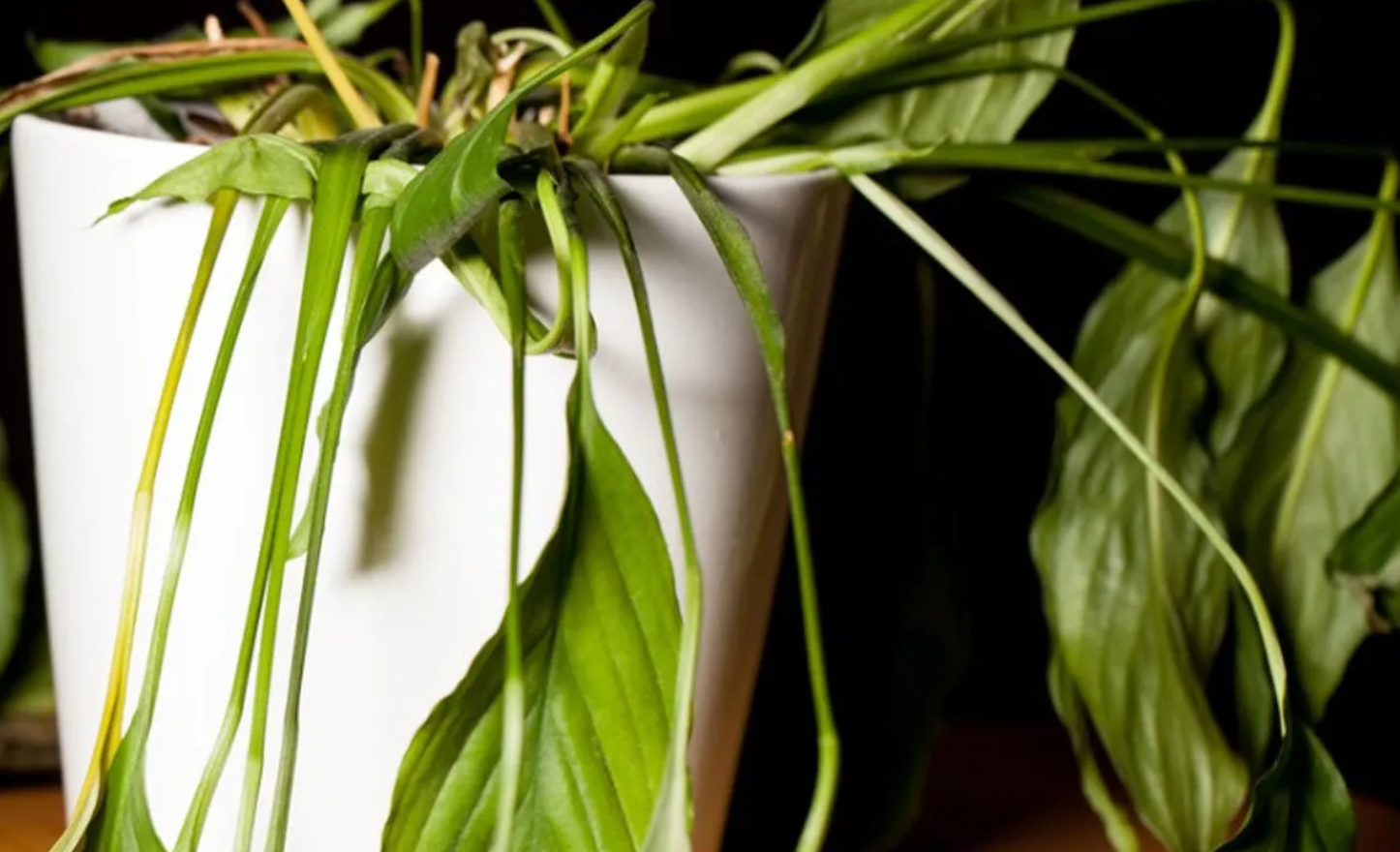
Drooping leaves in a Peace Lily manifest as leaves that hang down limply rather than standing upright. You might notice:
- Leaves curling or curling at the edges
- Discoloration or browning spots
- Soft or wilted texture
- Yellowing in some cases
- Roots protruding through the soil or container Seeing your plant's leaves sag is often a sign that something's off, but pinpointing what requires understanding the common causes.
Common Causes Overview: Overwatering, Underwatering, Improper Light, Drafts, or Root Issues
Several factors can lead to drooping leaves:
- Overwatering or waterlogged soil: Excess water drowns roots, causing them to rot and leaves to sag.
- Underwatering or dehydration: Lack of water causes leaves to lose turgor and droop.
- Improper lighting: Too little or too much direct sun can stress the plant.
- Drafts and temperature fluctuations: Sudden changes in environment lead to stress.
- Root issues: Roots can be damaged or tangled, affecting nutrient uptake. Understanding these causes sets the foundation for effective diagnosis and treatment.
Section 2: Diagnosing the Exact Cause
To fix your Peace Lily’s drooping leaves effectively, pinpoint the root cause by following these steps:
Cause 1: Overwatering or Waterlogged Soil
- Signs: Soil feels consistently wet, smell of mold or mildew, roots may be brown and mushy.
- Test: Feel the top inch of soil. If it's soggy or smells sour, overwatering is likely.
Cause 2: Underwatering or Dehydration
- Signs: Soil is dry several inches down, leaves are limp and brittle, general plant appears weak.
- Test: Touch the soil about 2 inches down. If dry and crumbly, underwatering is probable.
Cause 3: Improper Lighting or Drafts
- Signs: Leaves may yellow or brown at edges, plant leans toward a light source, or sudden placement in a drafty spot causes stress.
- Test: Check your plant's environment. Is it too close to a window with direct sun, or exposed to cold drafts?
How to Tell Which Cause Applies to Your Plant
- Observe the soil moisture levels.
- Note environmental conditions.
- Check the roots if necessary (gently remove the plant from its pot). By gathering this information, you'll be able to choose the most targeted and effective fix.
Section 3: Treatment Solutions
Once you identify the cause, follow these practical steps:
Immediate Actions: Adjust Watering and Ensure Proper Drainage
- Overwatering fix:
- Remove the Peace Lily from soggy soil.
- Gently trim any rotten roots using sterilized scissors.
- Repot in a well-draining soil mix.
- Reduce watering; allow the top inch of soil to dry out before watering again.
- Underwatering fix:
- Water thoroughly until excess drains out.
- Maintain a consistent watering schedule, checking soil moisture regularly.
- Tip: Use a moisture meter for precise water level assessment.
Long-term Treatment: Balance Light, Humidity, and Watering Routines
- Provide bright, indirect light—Peace Lilies thrive in medium to low light but avoid direct sun.
- Maintain humidity levels around 50-60%; mist leaves or place a humidity tray nearby.
- Keep soil moist but not soggy, watering when the top inch feels dry.
- Position away from cold or hot drafts, and maintain a stable temperature around 65-80°F (18-27°C).
During Recovery: Monitor Plant Response and Prune Damaged Leaves if Necessary
- Cut off any yellow or brown leaves to encourage healthy growth.
- Observe the plant’s response over the next few weeks.
- Be patient; leaves may take time to recover fully.
Section 4: Prevention Tips
Prevention is key to avoiding drooping leaves in the future:
Adjust Care Routines: Consistent Watering and Proper Humidity
- Establish a watering schedule based on your environment.
- Use room humidifiers or indoor plants' humidity trays if air is dry.
- Regularly check soil moisture with a soil pH tester or moisture meter.
Environmental Factors: Optimal Light, Avoiding Drafts, Stable Temperature
- Place your Peace Lily in bright, indirect light away from direct sunlight.
- Keep it in a consistent temperature zone—avoid placing it near windows with cold drafts or heating vents.
- Protect it from sudden environmental changes that can cause stress. By optimizing care routines and environment, you'll help your Peace Lily stay healthy and resilient.
Conclusion
Recap of Diagnosis, Treatments, and Prevention Dealing with drooping leaves in your Peace Lily can seem concerning, but with a systematic approach, you can quickly identify the cause—whether overwatering, underwatering, or environmental stressors—and apply targeted solutions. Remember to check soil moisture, light conditions, and environmental stability to create the ideal setting for your plant. Encouragement Don’t forget, your Peace Lily’s health can significantly improve with a little adjustment and patience. Many drooping issues are reversible, and your plant will reward your care with lush, vibrant foliage. Next Steps Implement the recommended watering, lighting, and environmental modifications. Keep a close eye on your Peace Lily’s response over the next few weeks, and don’t hesitate to prune damaged leaves to promote healthy growth. With attentive care, your plant will recover and continue to brighten your home.
FAQ
Q: How long until I see improvement after adjusting watering?
A: Typically, you might notice your Peace Lily beginning to recover within one to two weeks after making proper watering adjustments. However, full recovery of drooping leaves and overall health can take longer, up to several weeks, depending on severity and consistency of care. Patience and ongoing monitoring are key.
Q: Can my Peace Lily fully recover if the leaves are damaged?
A: Yes, brown or drooping leaves that are severely damaged may not recover. Removing these damaged leaves encourages new healthy growth. Your plant’s overall health can still improve, and with time, new, vibrant leaves will replace the old ones.
Q: Should I prune drooping or brown leaves to promote recovery?
A: Absolutely. Pruning dead or severely damaged leaves helps redirect the plant's energy toward healthy growth. Use clean, sharp scissors or pruning shears to make clean cuts just above the node. This can also improve the plant’s appearance and reduce potential disease risk.
By following these simple yet effective steps, you can fix Peace Lily drooping leaves and enjoy the beautiful, lush foliage that makes these indoor plants so popular. Happy gardening!