Having a vibrant, lush Anthurium is a joy for any indoor plant enthusiast. But when you notice its leaves turning yellow, it can be quite worrying. Don't fret—yellowing leaves are a common issue with manageable solutions.
In this guide, we'll help you understand why your Anthurium's leaves are turning yellow, how to diagnose the exact cause, and most importantly, how to fix it. With patience and proper care, your plant can bounce back, regaining its beautiful, vibrant foliage.
Understanding the Problem
Yellow leaves in Anthuriums can signal a variety of underlying issues. Recognizing the specific symptoms and causes is the first step toward restoring your plant's health.
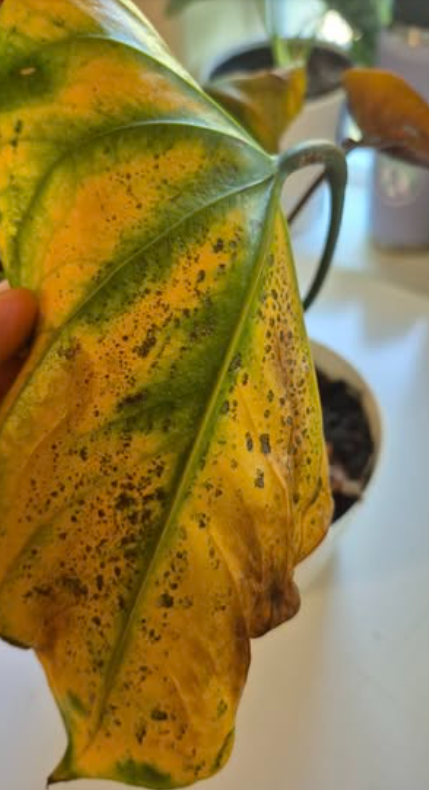
Visual Identification: How to Recognize Yellowing Leaves and Other Signs
- Color Changes: Leaves turn from healthy dark green to yellow, pale, or even brown at the edges.
- Texture Changes: Leaves may appear wilted, soft, soggy, or crispy.
- Additional Symptoms: Root rot, spots, pests, or stunted growth can accompany yellowing.
Common Causes Overview
- Overwatering: The most frequent culprit, leading to waterlogged soil and root rot.
- Underwatering: Causes leaves to dry out and turn yellow due to dehydration.
- Nutrient Imbalance: Deficiencies, especially nitrogen, can cause pale or uneven foliage.
- Light Stress: Too much direct sunlight burns leaves; too little light causes poor chlorophyll production.
- Pests & Diseases: Infestations and infections can weaken the plant, resulting in yellowing.
Diagnosing the Exact Cause
To fix the problem effectively, you'll need to identify what's causing your Anthurium's yellow leaves. Follow these diagnostic steps:
Cause 1: Overwatering
- Signs: Soggy soil, a foul smell, and roots that appear brown and mushy during inspection.
- What to do: Check the soil moisture—if it's waterlogged, overwatering is likely.
Cause 2: Underwatering
- Signs: Dry, crispy leaves, soil that feels bone-dry, and wilting.
- What to do: Feel the soil—if it’s parched, underwatering might be the cause.
Cause 3: Nutrient Deficiencies
- Signs: Pale, uneven leaves, slow growth, or new leaves that are smaller than usual.
- What to do: Examine the overall health, and consider a balanced fertilization schedule.
How to Tell Which One It Is
- Soil Moisture Test: Stick your finger about an inch into the soil; if it’s dry, the plant needs watering.
- Root Inspection: Carefully remove the plant from its pot and look at the roots—healthy roots are white and firm; rotten roots are brown and slimy.
- Overall Plant Health: Consider recent watering habits, fertilization, and light exposure.
Treatment Solutions
Once you've identified the cause, you can implement the appropriate remedies to help your Anthurium recover.
Immediate Actions to Take
- Adjust Watering Habits: Water only when the top inch of soil feels dry. Ensure excess water drains freely.
- Remove Affected Leaves: Prune yellow or crispy leaves using clean, sharp scissors to encourage new healthy growth.
- Improve Drainage: If overwatering caused root rot, consider repotting your Anthurium in a well-draining soil mix.
Long-term Treatment Plan
- Fertilize Appropriately: Use a balanced, water-soluble fertilizer every 6-8 weeks during the growing season.
- Repot if Necessary: If root rot is present, trim away rotten roots and repot in fresh, well-draining soil.
- Optimize Light Conditions: Place your Anthurium in bright, indirect light—avoid direct sun that can scorch the leaves.
What to Expect During Recovery
- Gradual Improvement: You’ll notice the yellow leaves stop spreading and new, healthy foliage emerges.
- New Leaf Growth: Expect to see fresh leaves with vibrant green color, indicating recovery.
- Overall Plant Vitality: The plant will become more resilient as health improves.
Prevention Tips
Keeping your Anthurium healthy requires consistent care and vigilance. Here are some tips to prevent yellow leaves in the future:
Care Routine Adjustments
- Proper Watering Schedule: Water when the top inch of soil feels dry—avoid frequent or shallow watering.
- Balanced Fertilization: Feed your plant with a complete fertilizer during active growth months to prevent deficiencies.
- Regular Inspection: Check for pests, disease symptoms, and overall plant health every few weeks.
Environmental Factors to Monitor
- Lighting: Ensure your Anthurium enjoys bright, indirect sunlight—too much direct sun can cause leaf scorch, while too little light hampers growth.
- Humidity & Temperature: Maintain humidity levels around 60-80%, and keep temperatures between 65-80°F (18-27°C).
- Drainage: Use pots with drainage holes and a well-draining soil mix to prevent water accumulation.
- Avoid Drafts & Direct Sunlight: Keep your plant away from cold drafts or direct afternoon sun, which can stress the plant.
Conclusion
Yellow leaves on your Anthurium are a clear signal that it needs your attention. Whether caused by overwatering, underwatering, nutrient deficiencies, or environmental stress, the good news is that most issues are easily fixable with proper diagnosis and care. Remember: With patience, gentle pruning, and consistent maintenance, your Anthurium can recover beautifully and continue to brighten your indoor space with its lush, vibrant foliage. Start by assessing your plant’s watering and lighting habits, then follow the tailored solutions outlined here. Your green thumb can transform this challenge into an opportunity for growth—for both your plant and your gardening skills!
FAQ
Q: How long until I see improvement after fixing watering issues?
A: Typically, you can notice signs of recovery within a few weeks. New healthy leaves may start to emerge after about 4-6 weeks, especially if the root system is healing. Patience is key, and maintaining proper care during this period will support faster recovery.
Q: Will my plant fully recover if I prune yellow leaves?
A: Pruning yellow, damaged leaves helps redirect the plant’s energy to healthy growth and prevents disease spread. While it doesn’t guarantee complete recovery on its own, it’s a vital step in overall health improvement. Combine pruning with proper watering, fertilization, and environmental adjustments for the best results.
Q: How often should I fertilize my Anthurium to prevent deficiencies?
A: Feed your Anthurium with a balanced, water-soluble fertilizer every 6-8 weeks during its active growing season (spring and summer). Reduce feeding in fall and winter when growth slows. Regular fertilization helps maintain nutrient balance and prevents yellowing caused by deficiencies.
Your Anthurium’s journey to vibrant health starts with understanding its needs and responding promptly. With some care and patience, you’ll enjoy its stunning, lush foliage once again!