Quick Summary: Black spots on your Monstera deliciosa can be worrying, but most issues are fixable with prompt diagnosis and care. This guide walks you through identifying the cause, implementing effective treatments, and preventing future problems, helping your plant bounce back beautifully.
Introduction
Noticing mysterious black spots on your beloved Monstera deliciosa can cause worry—you're not alone! As a passionate plant parent, it’s natural to feel concerned when your plant shows signs of distress. Black spots may seem alarming, but often they’re a sign that your plant needs some attention and care, rather than a sign of irreversible damage. With the right steps, you can troubleshoot the issue, treat your plant effectively, and prevent future black spots from appearing again. In this article, we’ll explore what causes black spots on Monstera leaves, how to accurately diagnose the problem, and the best solutions to restore your plant’s health. Whether it’s fungal infections, overwatering, or environmental stress, most problems are approachable and manageable. Your Monstera can recover and thrive once you understand the root cause. Let’s get started on nurturing your leafy friend back to health!
Understanding the Problem
Visual Identification: What Do Black Spots Look Like?
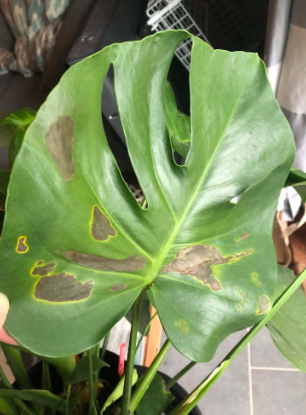
Black spots on Monstera leaves vary in appearance. Some are small, dry, and flat, resembling tiny ink blots, while others appear larger, moist, or raised. They can be fuzzy or powdery—especially if fungus is involved—or smooth and shiny. The spots may be scattered or clustered, often spreading over the leaf surface.
Common Causes Overview
Several issues can cause black spots on your Monstera, including:
- Fungal or bacterial infections: Often caused by excess humidity or poor airflow, producing fuzzy or crusty black spots.
- Overwatering and poor drainage: Leading to root rot, which manifests as black patches on leaves.
- Environmental stress or physical damage: Such as sunburn or leaf scuffing resulting in black or darkened spots. Recognizing these differences is vital, as treatment strategies depend on the root cause.
Diagnosing the Exact Cause
Follow these steps to identify why your Monstera has developed black spots:
Cause 1: Fungal Infection
- Symptoms: Fuzzy or powdery black spots, sometimes with a slight fuzzy or moldy appearance.
- How to confirm: Check if spots feel slightly raised or fuzzy and if humidity levels are high. If the spots are soft and spreading rapidly, fungi may be involved.
- Why it happens: Excess moisture, high humidity, and poor air circulation promote fungal growth, especially in indoor environments.
Cause 2: Overwatering or Poor Drainage
- Symptoms: Black patches often start at the edges or in the center of leaves, sometimes accompanied by yellowing.
- How to confirm: Feel the soil—if it’s consistently wet or soggy, overwatering is likely. Inspect the roots (by gently removing the plant from its pot) for black, mushy roots indicating root rot.
- Why it happens: Too much water deprives roots of oxygen, causing decay and widespread damage reflected as black spots.
Cause 3: Physical Damage or Sunburn
- Symptoms: Black or dark brown spots where leaves have been scuffed, scratched, or exposed directly to sunlight.
- How to confirm: Observe recent changes—did you prune or moved the plant to direct sunlight recently? Check if spots align with damage areas.
- Why it happens: Excessive sun exposure or physical injury stresses leaves and causes localized darkening.
Quick Checklist for Diagnosis:
- Examine spots closely—are they fuzzy, crusty, dry, or moist?
- Check soil moisture—dry or soggy?
- Inspect roots if possible—any mushiness or blackness?
- Consider recent environmental changes or physical handling. Once you’ve pinpointed the cause, you’re ready to move into targeted treatment.
Treatment Solutions
Immediate Actions (First 24-48 Hours):
-
Remove affected leaves:
-
Use sterilized pruning shears.
- Cut just below the black spot, removing the entire leaf if heavily affected.
-
Isolate the plant:
-
Keep it away from other houseplants to prevent spreading fungi or bacteria.
-
Clean tools:
-
Disinfect pruning shears with rubbing alcohol or boiling water.
For Fungal Infection:
- Apply natural remedies:
- Mix neem oil spray according to instructions — it acts as a natural fungicide.
- Alternatively, dilute hydrogen peroxide (3%) with water (1:3 ratio) and spray over affected areas.
- Consider fungicidal treatment:
- Use a copper-based or sulfur fungicide if natural remedies aren’t sufficient.
For Overwatering & Root Issues:
- Adjust watering habits:
- Allow the top inch of soil to dry out before watering again.
- Ensure your pot has drainage holes.
- Improve soil drainage:
- Repot into a well-draining mix, such as a mixture of potting soil, perlite, and orchid bark.
- Trim rotten roots:
- Gently remove the plant from its pot.
- Cut away black, mushy roots with sterile scissors.
- Repot into fresh, dry soil.
For Physical Damage or Sunburn:
- Relocate your plant:
- Keep it in bright, indirect sunlight—avoid direct midday sun.
- Protect leaves:
- Use sheer curtains or move the plant away from harsh light.
Long-term care and recovery:
- Expect new, healthy leaves to emerge over weeks.
- Maintain optimal watering and light routines.
- Keep an eye on humidity levels—aim for 40-60%.
Monitoring Progress:
- Check the plant weekly to monitor black spot reduction.
- Continue treatments for at least a month.
- Replace or remove heavily damaged leaves to support new growth.
Prevention Tips
To keep black spots at bay and ensure your Monstera remains healthy:
- Maintain consistent watering:
- Water only when the top inch of soil feels dry.
- Use well-draining soil and pots with drainage holes.
- Enhance airflow and regulate humidity:
- Space plants adequately.
- Use fans or open windows to improve circulation.
- In dry environments, consider a humidifier — but avoid excessive humidity that fosters fungi.
- Protect from environmental stress:
- Avoid direct, intense sunlight—use sheer curtains if near a window.
- Be gentle when pruning or handling leaves.
- Regular inspection:
- Check leaves weekly for early signs of problems.
- Catch black spots early before they spread.
- Proactive natural remedies:
- Spray neem oil monthly as a preventative, especially in humid conditions.
Frequently Asked Questions
Q: How long until I see improvement after treatment?
A: Typically, healthy new growth can appear within 4-6 weeks once treatments and care routines are correctly followed. Patience is key, and consistent monitoring helps.
Q: Will my plant fully recover from black spots?
A: Most Monstera plants recover well if the underlying cause is addressed promptly. Severe root rot may require more intensive intervention, but with proper care, new healthy leaves can develop.
Q: Should I prune the affected leaves or leave them?
A: It’s best to prune heavily affected or infected leaves to prevent spreading. Aim to make clean cuts with sterilized tools and dispose of the removed leaves away from the plant.
Conclusion
Black spots on your Monstera deliciosa are a sign to pause and assess your plant’s health. With attentive diagnosis, targeted treatment, and good preventive habits, your plant can recover and thrive once more. Remember, each challenge is a learning opportunity—you're becoming a more confident plant parent with every step. Start by inspecting your Monstera, remove affected leaves, adjust your watering and lighting routines, and watch for fresh, healthy growth. Your lush, vibrant Monstera is within reach!
By following these steps, you’ll turn black spots into a thing of the past, and your Monstera will thank you with gorgeous, glossy leaves!