Learn effective methods to identify, treat, and prevent black spots on your Rubber Plant. Keep your indoor plant healthy and vibrant with these expert tips.
Introduction
Noticing black spots on your Rubber Plant can be worrying, especially when you cherish its lush green leaves and vibrant appearance. As a plant enthusiast, you might wonder what’s causing those unsightly marks and how to fix them effectively. Rest assured — you're not alone, and with the right care, your Rubber Plant can bounce back beautifully.
This guide will walk you through understanding what black spots are, diagnosing their causes accurately, implementing targeted treatments, and adopting preventive measures to keep your Rubber Plant healthy and thriving. With a little patience and proper care, your plant can recover and become a stunning feature in your home.
Section 1: Understanding the Problem
Visual Identification
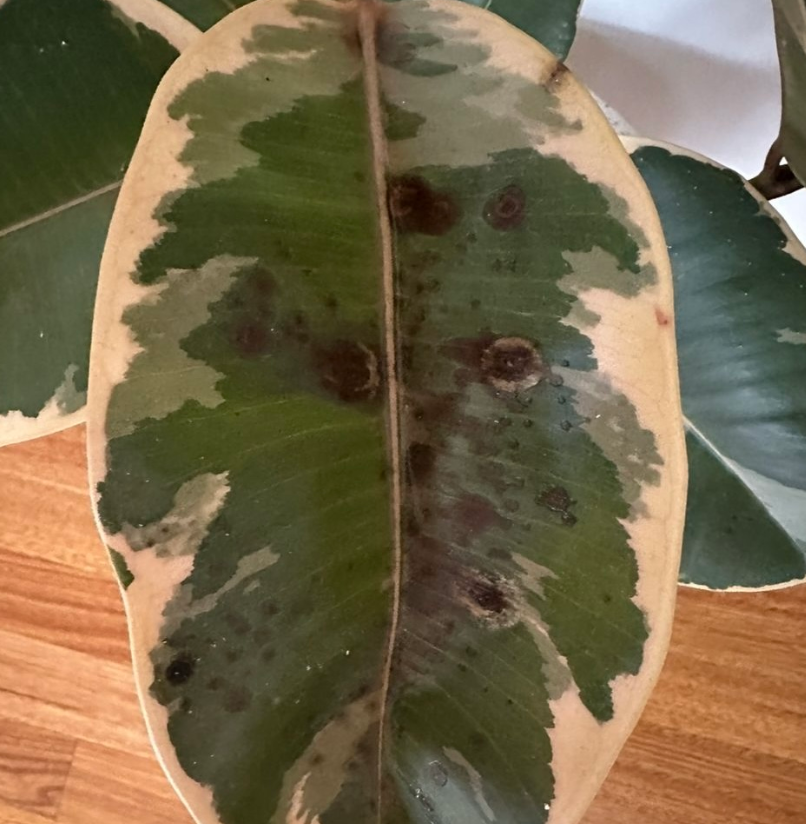
Black spots on Rubber Plant leaves vary in appearance and can be a sign of different issues. Typically:
- Color & Size: The spots are black, often circular, and may range from tiny pinpricks to larger patches.
- Texture: They can be flat or slightly raised, sometimes with a fuzzy or crusty surface.
- Distribution: Spots may appear scattered randomly, concentrated in certain areas, or along the veins. Healthy leaves are bright and unblemished, so spotting black marks is a sign that something is amiss.
Common Causes Overview
Black spots can result from multiple factors:
- Fungal infections (like leaf spot disease or anthracnose)
- Overwatering and poor drainage, leading to root rot and subsequent fungal growth
- Physical injury or environmental stress, which can create entry points for pathogens
- Low air circulation, trapping humidity and encouraging fungal development Understanding whether the spots are caused by fungi, environmental stress, or physical damage is vital for effective treatment.
Section 2: Diagnosing the Exact Cause
Follow a step-by-step process to pinpoint what's causing the black spots:
Cause 1: Fungal Infections
Fungal diseases often produce round, defined black spots with sometimes a yellow halo. The spots might spread or enlarge over time if untreated.
Cause 2: Overwatering
If the soil feels waterlogged and the plant exhibits wilting despite moist soil, overwatering likely contributes to root and stem issues that promote fungal growth and black spotting.
Cause 3: Physical Injury or Environmental Stress
Bumps, knocks, or exposure to cold drafts can cause localized damage, which may turn black or become infected if not properly cared for.
How to Tell Which One It Is
- Examining Spot Appearance: Are the spots round with a distinct edge? This suggests fungus.
- Checking Soil Moisture: Is the soil excessively wet or soggy? Overwatering could be the culprit.
- Inspecting Roots & Stems: Gently remove the plant from its pot to examine roots. Rotting roots indicate overwatering and fungal invasion.
- Recent Care Changes: Have you moved the plant or kept it in a drafty space? Physical stress might be involved. Through careful observation, you'll identify the root cause and plan appropriate remedies.
Section 3: Treatment Solutions
Immediate Actions
- Remove Affected Leaves: Carefully prune or cut away leaves showing black spots using sterilized scissors. This prevents the spread.
- Isolate the Plant: Keep it away from other houseplants to minimize infection risk.
- Improve Air Circulation: Use a fan or reposition the plant to a well-ventilated area.
- Control Watering: Allow the soil to dry slightly between watering; avoid waterlogging.
Chemical Remedies
- Fungicides: Apply natural options like neem oil or traditional fungicides such as copper-based products, following the manufacturer’s instructions meticulously.
- Application Tips: Spray during early morning or late afternoon, ensuring thorough coverage and avoiding sunburn on leaves.
Natural Remedies
- Diluted Neem Oil: Mix according to label instructions and spray on leaves and stem surfaces.
- Hydrogen Peroxide Solution: Mix one part hydrogen peroxide (3%) with three parts water. Lightly spray on affected areas to eliminate fungi organically.
Long-term Care
- Proper Watering: Water only when the top inch of soil feels dry.
- Fertilization: Use balanced houseplant fertilizer to promote healthy growth.
- Pruning: Regularly remove dead or damaged leaves to maintain plant health.
- Maintain Humidity: Keep humidity levels stable; too dry or too humid environments can promote fungal growth.
What to Expect During Recovery
- Fungal spots should stop spreading within a few days after treatment.
- New, healthy leaves will eventually emerge.
- Continue monitoring and prune further if new spots appear prematurely.
Section 4: Prevention Tips
Care Routine Adjustments
- Avoid Overwatering: Develop a watering schedule based on your plant’s needs and soil moisture.
- Prune Regularly: Remove dead or yellowing leaves to prevent fungal buildup.
- Clean Leaves: Gently wipe leaves with a damp cloth to remove dust, which helps prevent fungal spores from settling.
Environmental Factors
- Ensure Good Air Circulation: Position your Rubber Plant in a well-ventilated spot.
- Prevent Cold Drafts: Keep the plant away from windows or vents that cause temperature fluctuations.
- Maintain Proper Humidity & Light: Indirect bright light and a humidity level of around 50-60% support healthy growth and inhibit fungal growth.
Conclusion
Recap and Key Points
- Early detection of black spots on your Rubber Plant is crucial.
- Identify whether spots are fungal, caused by overwatering, or physical damage.
- Use targeted treatments such as pruning, fungicides, or organic remedies.
- Maintain good watering habits, pruning, and environmental conditions to prevent recurrence.
Encouragement
Remember, with consistent care and attention, your Rubber Plant can recover from black spots and flourish again. Don’t get discouraged—every plant problem is an opportunity to learn and improve your indoor gardening skills.
Next Steps
Regularly monitor your plant for any new issues, follow preventive measures, and keep your plant thriving. If problems persist, consult with a local plant expert or horticulturist for personalized guidance.
FAQ
Q: How long until I see improvement after treatment?
A: Typically, you should notice signs of improvement within 1-2 weeks. New healthy leaves will begin to emerge, and spots will stop spreading. Continue with proper care during this period.
Q: Will my Rubber Plant fully recover from black spots?
A: Yes, if the cause was fungal or environmental and you respond promptly, your plant can recover completely. Severe damage or extensive root rot may require more intensive care or propagation.
Q: Should I prune all affected leaves or only the damaged parts?
A: Prune only the blackened, damaged sections or entire leaves if necessary. Ensuring sterilized tools prevents spreading infection, and leaving healthy parts intact promotes quicker recovery.
Your Rubber Plant is resilient, and with proper care, it will regain its luscious, vibrant foliage. Happy gardening!