Discover why your ZZ plant's leaves are curling and learn practical solutions to restore its health with simple care adjustments and troubleshooting tips.
Introduction
Noticing your ZZ plant’s leaves curling can be worrisome, especially if you're new to caring for indoor plants. Curling leaves are often a sign that your plant is sending a distress signal. But don't worry—this problem is usually fixable with some attentive care and understanding of your plant’s needs. This article will help you identify why your ZZ plant’s leaves are curling, diagnose the specific cause, and guide you through effective treatment strategies. With a few simple adjustments, your ZZ plant can bounce back to vibrant health, adding beauty to your indoor space once again.
Section 1: Understanding the Problem
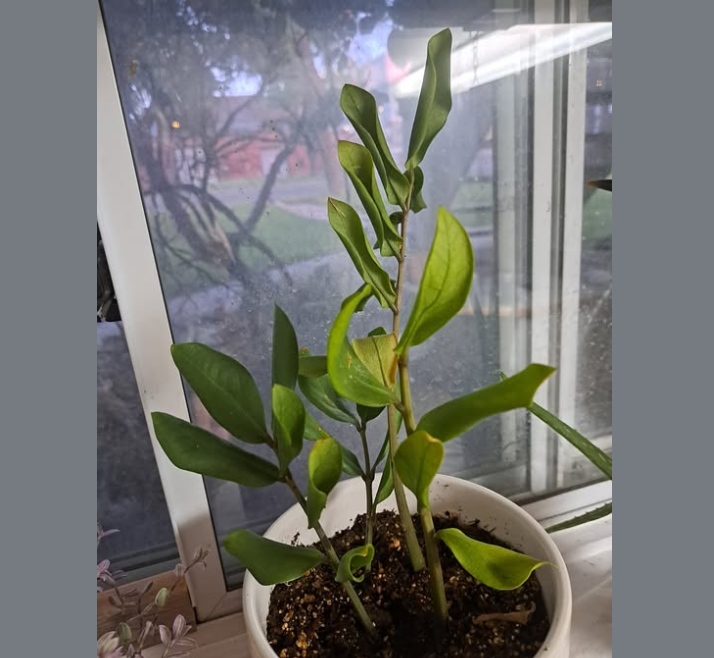
Visual Identification of Curling Leaves on ZZ Plants
Before jumping into solutions, it's essential to recognize what curling leaves look like. In ZZ plants (Zamioculcas zamiifolia), healthy foliage is typically thick, glossy, and upright. When leaves start curling, they may appear twisted, drooping, or tightly rolled along the edges. Sometimes, the curling may be accompanied by discoloration, dry patches, or shriveling.
Common Causes Behind Curling Leaves
Several factors can cause your ZZ plant's leaves to curl, often related to environmental stress or watering habits:
- Overwatering: Excess water can lead to root rot, preventing the plant from absorbing nutrients properly, resulting in leaf curling.
- Underwatering: Lack of sufficient water causes dehydration, making leaves curl inward as a water conservation response.
- Low Humidity: ZZ plants prefer moderate humidity; very dry air can dehydrate the leaves, causing them to curl.
- Improper Lighting: Too much direct sunlight can scorch leaves, while insufficient light weakens the plant, both leading to curling.
- Pests: Infestations of pests like spider mites or aphids can damage leaves and cause curling as a defense mechanism.
Section 2: Diagnosing the Exact Cause
Step-by-Step Process to Determine What's Causing the Curling Leaves
Understanding the root cause is crucial before applying remedies. Here's how to diagnose your plant’s problem:
Cause 1: Overwatering Leading to Root Rot and Stress
- Signs: Roots may be brown, mushy, or emit a foul odor. Leaves may be yellowing and curling.
- Test: Gently remove the plant from its pot to inspect roots. Healthy roots are firm and white; rotted roots are soft and dark.
Cause 2: Underwatering Causing Dehydration
- Signs: The soil is bone dry, and leaves are wilted, dry, or curling inward.
- Test: Check soil moisture by inserting your finger about an inch into the soil. If it feels completely dry, underwatering is likely.
Cause 3: Low Humidity Resulting in Leaf Dehydration
- Signs: Leaves look dry, brittle, and curl at the edges, especially if your indoor air is very dry.
- Test: Monitor ambient humidity with a hygrometer. Ideal indoor humidity for ZZ plants is around 40-60%.
How to Tell Which Cause Applies
Observe your plant’s environment and care routine. Also, check the soil moisture and root health as described. Combining visual cues with testing will help you pinpoint the problem accurately.
Section 3: Treatment Solutions
Immediate Actions for Curling Leaves
Adjust your care promptly:
- For overwatering: Let the soil dry out completely before watering again. Remove any rotted roots and repot the plant into fresh, well-draining soil.
- For underwatering: Water thoroughly but only when the top inch of soil is dry. Ensure the pot has proper drainage.
- Low humidity: Increase moisture levels around the plant by misting or placing a humidity tray with water and pebbles nearby.
- Lighting: Move your ZZ plant to a spot with bright, indirect light. Avoid direct sunlight, which can scorch the leaves.
Long-Term Treatment Plan
- Repot if necessary: If root rot is confirmed, repot your ZZ plant into a clean pot with good drainage.
- Establish a consistent care routine: Water your ZZ plant approximately every 2-3 weeks, adjusting based on the season and environment.
- Regular monitoring: Check for pests and signs of stress frequently to catch issues early.
Monitoring Plant Recovery
Look for signs of improvement, such as new leaf growth, firm healthy leaves, and less leaf curling. If there’s no progress after a few weeks, consider consulting a local plant expert or horticulturist.
Section 4: Prevention Tips
How to Maintain Optimal Conditions
Prevention is always better than cure. Here are practical tips:
- Adjust watering schedule: Water only when the topsoil feels dry. Ensure your pot has drainage holes to prevent waterlogging.
- Provide appropriate light exposure: Place your ZZ plant in bright, indirect light. Avoid intense direct sunlight that can scorch leaves.
- Manage humidity levels: Use a humidifier or place your plant on a humidity tray to maintain a stable moisture environment.
- Temperature control: Keep your ZZ plant in a warm room (65-75°F / 18-24°C), avoiding drafts or cold spots.
- Consistent care routine: Regularly inspect your plant and stick to a balanced watering and lighting schedule.
Environmental Factors to Monitor
Stay aware of seasonal changes, heating or cooling vents, drafts, and unusual dryness, all of which can influence your plant’s health and contribute to curling leaves.
Conclusion
Summary
By carefully diagnosing the cause of curling leaves on your ZZ plant and making timely adjustments, you can significantly improve your plant's health. Whether it’s adjusting watering habits, optimizing lighting, or increasing humidity, attentive care can reverse most leaf curling issues.
Encouragement
Remember, most leaf curling is a sign that your plant needs a little extra attention—not a lost cause. With patience and proper care, your ZZ plant will thrive and bring fresh greenery into your home.
Next Steps
Start by assessing your plant today. Check the soil moisture, observe environmental conditions, and review your care routine. Follow the troubleshooting steps outlined here, and soon you'll see your ZZ plant back to its vibrant, healthy self.
FAQs
Q: How long will it take for my ZZ plant to recover after fixing the problem?
A: Recovery time varies depending on the severity of the issue. Usually, you can expect to see signs of improvement within a few weeks—such as new leaf growth or stabilization of existing leaves. Patience and consistent care are key.
Q: Can curling leaves be a sign of a more serious disease?
A: Yes, persistent curling, especially coupled with discoloration or rotting, might indicate a serious issue like severe root rot or pest infestation. If your plant doesn't improve despite care adjustments, consider consulting a plant specialist or professional.
Q: Should I prune the curled leaves, or leave them to see if they recover?
A: If the leaves are severely damaged or pest-infested, it's best to prune them to encourage healthy growth. Healthy, uncurled leaves usually will recover on their own if the underlying cause is addressed.
With attentive monitoring and prompt care, your ZZ plant can recover beautifully from leaf curling. Keep nurturing your green companion, and enjoy the serenity and beauty it brings to your space!