Noticing sticky leaves on your ZZ plant can be quite distressing—you're probably wondering what’s happening to your beloved indoor plant. Rest assured, this is a common issue among plant enthusiasts and often quite manageable with the right approach. In this article, we'll explore why your ZZ plant's leaves are sticky, how to identify the underlying cause, and what practical steps you can take to bring your plant back to health and vibrancy.
Understanding the Problem
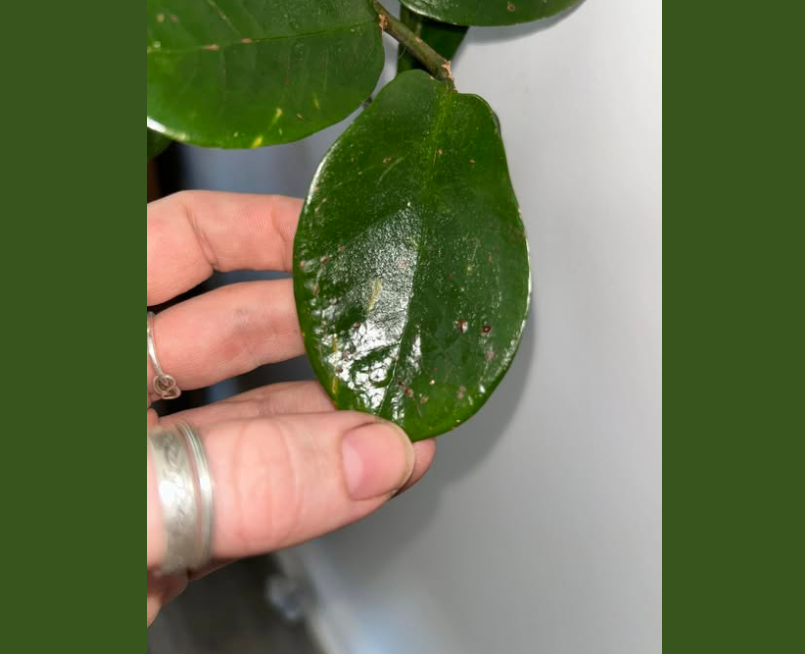
Visual identification of sticky, shiny leaves or residue
If you observe your ZZ plant’s leaves feeling tacky or sticky to the touch, or notice a shiny, residue-like coating on the surface, it's a clear sign of an underlying issue. Sometimes, the leaves may look glossy, almost wet, even when they are dry. This stickiness can range from faint residues to thick, visible coatings, and may be accompanied by other symptoms like discoloration or wilted leaves.
Common causes overview including pest activity, sap secretion, and environmental factors
There are several potential causes for sticky leaves in ZZ plants:
- Pest infestation, especially soft-bodied pests like mealybugs or scale insects
- Sap secretion as a response to stress or physical injury
- Fungal or bacterial excretions, often associated with infections or environmental stress Understanding these causes helps you diagnose effectively and implement the right treatment.
Diagnosing the Exact Cause
Follow a step-by-step process to determine the root of the sticky leaves
Cause 1: Pest infestation such as mealybugs or scale insects
Pests are often the culprits behind sticky plant leaves. Mealybugs and scale insects secrete a sticky, honeydew-like substance that coats leaves as they feed on plant sap. Look for tiny, cotton-like clusters (mealybugs) or small, hard shells (scale insects) attached to the leaf stems or undersides.
Cause 2: Sap secretion due to stress or injury
Your ZZ plant might secrete sap if it has suffered physical damage or is under stress from improper watering, environmental changes, or root disturbance. The sap can ooze out of damaged stems or leaf petioles, creating a sticky film.
Cause 3: Fungal infections or bacterial excretions
Certain fungal or bacterial infections can cause excretions that appear sticky or slimy. These are often accompanied by other symptoms such as leaf spots, discoloration, or an unusual smell.
How to tell which cause applies to your plant
- Inspect closely: Use a magnifying glass to identify pests or insect residues.
- Examine the plant’s condition: Look for signs of physical injury, such as broken stems or discoloration.
- Check for other symptoms: Fungal or bacterial infections often have visible spots, mold, or foul odor. Once you identify the cause, you can proceed with targeted treatment.
Treatment Solutions
Apply targeted fixes based on the identified cause to restore your ZZ plant’s health
Immediate actions: wiping leaves, removing pests manually
- Use a damp cloth or soft sponge to gently wipe the sticky residue from the leaves.
- For pests like scale or mealybugs, scrape off visible insects with a soft toothbrush or cotton swab dipped in alcohol.
Chemical treatments: insecticidal soap, neem oil
- Use insecticidal soap or neem oil sprays to eliminate pests without harsh chemicals. Spray thoroughly under leaves and on stems, repeating every 7-10 days as needed.
Natural remedies: alcohol swabs, beneficial insects (if applicable)
- Rubbing alcohol on cotton swabs can remove stubborn pests manually.
- For outdoor or greenhouse plants, introducing beneficial insects like ladybugs can naturally control pest populations.
Long-term care: adjusting watering, humidity, and light conditions
- Avoid overwatering, which can cause stress and promote fungal growth.
- Maintain adequate humidity and airflow around your ZZ plant.
- Ensure proper lighting—ZZ plants prefer bright, indirect light but can tolerate lower levels.
Monitoring and recovery expectations
- Regularly check your plant to prevent reinfestation or recurring issues.
- Expect noticeable improvement within a few weeks after treatment if the cause is correctly addressed.
Prevention Tips
Tips to avoid sticky leaves in the future and promote overall plant health
Regular inspection and pest management
- Frequently examine your ZZ plant for early signs of pests or damage.
- Implement a routine pest control schedule using natural or chemical agents suitable for indoor plants.
Proper watering and avoiding overwatering
- Water only when the top inch of soil feels dry.
- Use well-draining soil to prevent root rot and stress-induced sap secretion.
Maintaining optimal humidity and airflow
- Keep indoor humidity at moderate levels.
- Ensure good air circulation around your plant to discourage fungal growth.
Use of clean tools and quarantine for new plants
- Always sterilize pruning shears and gardening tools.
- Quarantine new plants for 2-4 weeks before introducing them to your existing collection.
Choosing the right environment for your ZZ plant
- Place your plant in a spot with consistent temperature, indirect sunlight, and minimal drafts.
- Avoid exposing your ZZ plant to sudden environmental changes or temperature fluctuations.
Conclusion
Addressing sticky leaves on your ZZ plant involves proper diagnosis and tailored care. Whether it’s pests, sap secretion, or infection, understanding the root cause allows you to implement effective solutions and prevent future issues. With a little patience and attentive care, your ZZ plant will regain its lush, healthy appearance. Remember, don’t be discouraged—plant problems are common, and each challenge is an opportunity to learn more about caring for your indoor green friends. Follow these diagnostic and treatment steps, maintain good plant hygiene, and your ZZ plant will thrive once again.
FAQ
## Q: How long does it take to see improvement after treatment?
A: The time frame varies depending on the severity of the issue, but typically, you should notice a visible reduction in stickiness and healthier leaves within 2 to 4 weeks after starting treatment. Consistent monitoring and repeated treatments, if necessary, will help speed up recovery.
## Q: Can I prevent sticky leaves in the future?
A: Yes, routine inspection, proper watering practices, maintaining optimal humidity, and prompt pest control are key prevention strategies. Quarantining new plants also helps prevent introducing pests or diseases.
## Q: Should I prune parts of my ZZ plant with sticky leaves?
A: If affected leaves are severely damaged or infected, pruning them can promote healthy growth. Use sterilized scissors and dispose of pruned material away from other plants to avoid spreading pests or infections.
Keeping your ZZ plant healthy and vibrant is within reach! With attentive care, quick diagnosis, and targeted solutions, you can restore your plant’s beauty and enjoy a thriving indoor garden.