Quick Summary: Drooping leaves in Pothos are common signs that your plant needs some TLC. By identifying whether it’s overwatering, underwatering, or environmental stress, you can revive your plant quickly. This friendly guide offers step-by-step fixes and prevention tips to get your Pothos bouncing back in no time.
Introduction
Noticing your Pothos starting to droop can be worrying, especially if you’ve loved caring for it and watching it thrive. Drooping leaves often trigger concern—“Is my plant dying? Did I do something wrong?” Rest assured, this is a very common issue among plant lovers and usually quite fixable. Your Pothos’s leaves sagging or wilting are signals from your plant that something is off in its environment or care routine. Sometimes it’s as simple as adjusting watering habits, improving humidity, or relocating it to a friendlier spot. The good news is, with a little patience and some targeted action, you can restore your Pothos’s health and bring back its vibrant, lush foliage. In this article, we’ll explore why drooping happens, how to accurately diagnose the cause, and what practical steps you can take to revive your drooping Pothos. Whether it’s overwatering, improper light, or an underlying root problem, I’ll guide you through easy solutions and preventive care so your plant remains happy and healthy.
Section 1: Understanding the Problem
Drooping leaves in Pothos (commonly Epipremnum aureum) are a sign that your plant isn’t getting what it needs or is experiencing stress. These signs aren’t just aesthetic—they impact your plant’s overall health. Recognizing the physical cues is the first step in fixing the issue.
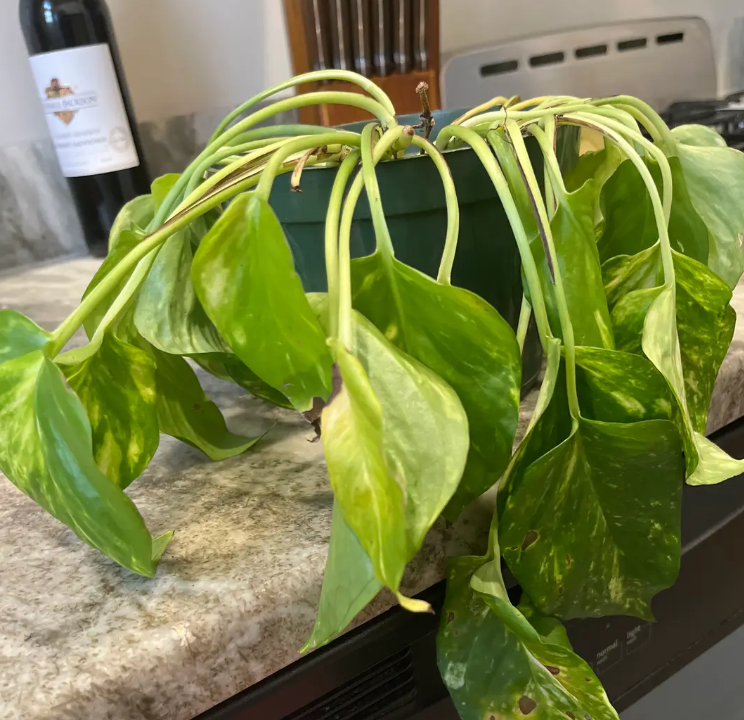
Visual Identification: Wilting, Limp, or Sagging Leaves
- Wilting or limp leaves: Soft, drooping or hanging downward, often with a dull appearance.
- Sagging stems: Not holding upright; stems may look weak or droopy.
- Yellowing or browning tips: Additional signs of distress, possibly from watering issues or environmental stress.
Common Causes Overview: Too much or too little water, low humidity, or unsuitable light
Understanding why your Pothos droops can be tricky since multiple factors can cause similar symptoms. Some common causes include:
- Overwatering: Frequent watering leads to waterlogged soil, suffocating roots.
- Underwatering: Ignoring watering altogether causes dehydration.
- Poor drainage: Soil that doesn’t drain well traps excess moisture or dries unevenly.
- Environmental stress: Drafts, direct sunlight, or temperature fluctuations can weaken your plant.
- Root problems: Rot or compaction damage roots, impairing water and nutrient uptake. Identifying which of these is the culprit will help you apply the right fix.
Section 2: Diagnosing the Exact Cause
Pinpointing the root of drooping Pothos leaves involves a few simple investigative steps. Use this guide to determine whether your plant is overhydrated, underwatered, stressed from its environment, or suffering from root issues.
Cause 1: Watering Issues
- Symptoms: Soil is soggy or waterlogged; leaves are limp and may feel mushy; roots may appear brown or black if you investigate.
- How to confirm: Feel the soil; if it’s wet and stays wet for days, overwatering is likely. If soil feels bone-dry, underwatering may be the cause.
- Why it happens: Excess water prevents roots from accessing oxygen, leading to root rot. Conversely, dry soil indicates neglect or inconsistency in watering.
Cause 2: Environmental Stress
- Symptoms: Leaves droop unexpectedly after a draft, sudden temperature change, or placement in direct sunlight.
- How to confirm: Check your Pothos’ location—near an air vent, heater, fan, or in direct sunlight.
- Why it happens: Sudden environmental shifts or harsh conditions weaken your plant, causing drooping.
Cause 3: Root Problems
- Symptoms: Despite watering correctly, Pothos still droops, and the soil feels overly moist or the plant appears unhealthy.
- How to confirm: Carefully remove the plant from its pot and examine roots. Healthy roots are white and firm; rotten roots are brown, black, and slimy.
- Why it happens: Root rot from overwatering or poor drainage impairs water uptake, leading to droopiness.
How to tell which one it is:
Use a quick checklist:
- Soil moist and plant drooping? Likely overwatering.
- Soil dry but plant drooping? Underwatering.
- Location near drafts or direct sun? Environmental stress.
- Root inspection shows decay? Root rot. By combining these clues, you’ll accurately diagnose your Pothos.
Section 3: Treatment Solutions
Once you know the cause, you can take specific steps to nurse your Pothos back to health.
Immediate Actions (First 24-48 Hours):
1. For Overwatering/Root Rot:
- Remove the plant gently from its pot.
- Inspect roots; trim away any brown, mushy parts with sterilized scissors.
- Let the plant dry out for a few hours in a warm, shaded spot.
- Repot into fresh, well-draining soil with proper drainage holes.
-
Water lightly afterward, allowing soil to dry partially between waterings. 2. For Underwatering:
-
Water thoroughly until excess drains from the bottom.
- Check that the soil is evenly moist but not soggy.
-
Ensure you’re watering based on soil moisture rather than a fixed schedule. 3. For Environmental Stress:
-
Move your Pothos to a spot with indirect, bright light.
- Keep away from drafts, heaters, or air conditioners.
- Increase humidity if indoor air is dry (use a humidifier or place the pot on a humidity tray).
Long-term treatment:
- Establish a regular watering routine based on soil moisture—check the top 1-2 inches of soil.
- Improve pot drainage with well-draining potting mix (like a peat-perlite mix).
- Use natural remedies like diluted hydrogen peroxide (1 part hydrogen peroxide to 4 parts water) to disinfect roots if rot was present.
- For pest-related or fungal issues, treat with neem oil or insecticidal soap.
During recovery:
- Keep your Pothos in a stable environment.
- Avoid overwatering or sudden changes.
- Patience is key—most drooping Pothos will recover within a couple of weeks with proper care. Warning: If the plant doesn’t improve after a few weeks, reassess your care routine or consider repotting again to eliminate hidden root problems.
Section 4: Prevention Tips
Prevention is easier than fixing drooping Pothos later. Here’s how to keep your plant healthy and prevent issues:
- Consistent watering: Water when the top inch of soil feels dry. Use your finger or a moisture meter for accuracy.
- Proper lighting: Place your Pothos in bright, indirect light—avoid direct sun which can scorch leaves or cause dehydration.
- Well-draining soil: Use a mix with peat-based material and perlite or coarse sand to enhance drainage.
- Adequate drainage pots: Always choose pots with drainage holes to prevent water from accumulating.
- Monitor environment: Keep temperature steady around 65–85°F (18–29°C). Indoors, aim for humidity levels above 40%, using humidifiers if needed.
- Avoid drafts: Keep your plant away from open windows, heaters, or air vents.
- Regular checks: Inspect roots annually and replace old soil to prevent compaction and buildup of pests. Implementing these practices ensures your Pothos remains resilient and less prone to drooping.
Frequently Asked Questions
Q: How long does it take for a Pothos to recover from drooping?
A: Recovery generally begins within 1-2 weeks after correcting water or environmental issues. Visible improvement varies based on severity; healthy leaves may take longer to replace if they’ve browned or wilted deeply.
Q: Can overwatering cause permanent damage to my Pothos?
A: Yes. Excess water can lead to root rot, which may cause irreversible damage if severe. The best fix is prompt root trimming and repotting, along with improved watering habits.
Q: Should I prune drooping or damaged leaves?
A: Yes. Removing visibly affected leaves supports healthier growth and redirects the plant’s energy. Use clean, sharp scissors and prune just above a healthy leaf node.
Q: How often should I water my Pothos?
A: Typically, every 1-2 weeks, but always check soil moisture first. Adjust depending on humidity, light, and season.
Q: Is it okay to use fertilizer during drooping?
A: Delay fertilizing until your plant recovers. Overfertilizer can stress an already struggling plant, so focus on proper watering and environmental fixes first.
Conclusion
Key Takeaways:
- Drooping Pothos leaves often signal watering problems, environmental stress, or root issues.
- Proper diagnosis—checking soil moisture, root health, and placement—is essential before treatment.
- Address watering issues by adjusting your routine; improve drainage, light, and humidity as needed.
- Prevention is about consistent care: regular watering, optimal light, good soil, and stable environment.
- Most drooping Pothos can bounce back with patience and proper care, so don’t despair! Remember, your Pothos relies on your attentive care—by understanding its signals and acting promptly, you’re well on your way to a thriving, beautiful plant. Keep nurturing with love and patience, and your Pothos will reward you with lush, healthy leaves for years to come.