## Why Is My Pothos Having Leggy Growth? Causes and Solutions
> **Quick Summary:** If your *Pothos* looks stretched and leggy, it’s a sign it’s stretching for light or needs some care. With a few simple adjustments—like improving lighting, pruning, and caring regularly—you can encourage your plant to grow fuller, greener foliage. Don’t worry, this is a common issue and easily fixable!
## Introduction
Noticing your *Pothos* (commonly known as *Devil’s Ivy*) growing tall, stretched out, or with sparse leaves can be worrisome. As a plant parent, you want your greenery to be lush and vibrant—so seeing it look leggy might make you wonder if you’re doing something wrong. The good news is, legginess is often a natural response to environmental factors that can be easily adjusted.
This article will help you understand why your *Pothos* is growing leggy, how to diagnose the root cause, and what practical steps you can take to help your plant flourish again. Whether it’s about giving it more light, pruning, or tweaking your care routine, I’ll guide you through simple solutions to revive your plant’s full, bushy appearance. Remember, with patience and some targeted care, your *Pothos* will thrive — lush, full, and beautiful once more!
## Understanding the Problem
### Visual Identification: What Does a Leggy Pothos Look Like?
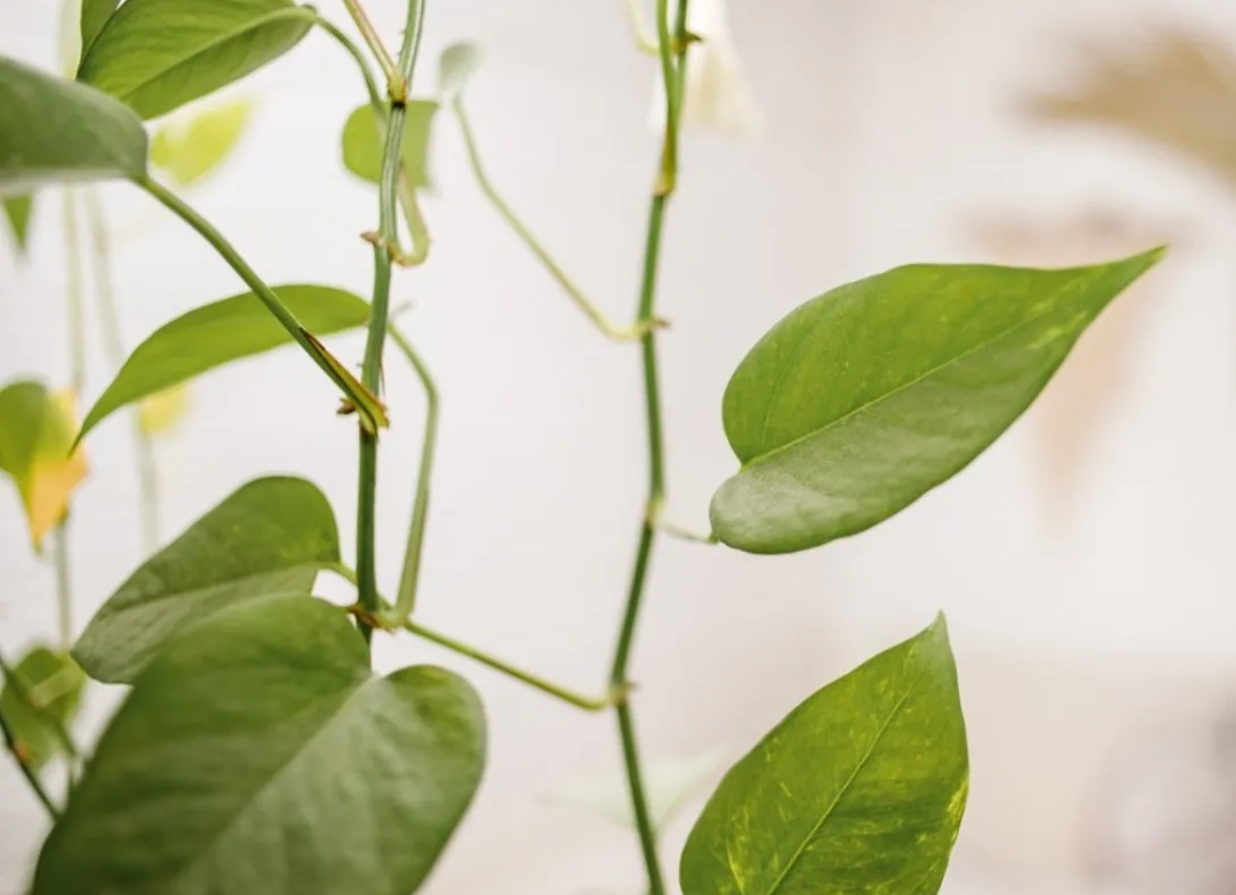
A *leggy* *Pothos* features long, thin stems with sparse leaves spaced far apart, making the plant look stretched out and sparse. The stems often grow taller than usual, with new leaves appearing far from older ones, resulting in a “stringy” appearance. Sometimes, the plant might lean or even topple because the stems are weak from lack of support and density.
### Why It Matters
While legginess can be a natural growth pattern, it often indicates the plant isn’t receiving enough of what it needs—mainly, light. If left uncorrected, it can weaken the plant over time, making it more prone to pests, diseases, and structural issues. Recognizing it early allows you to take corrective steps and keep your plant healthy and visually appealing.
### Common Causes of Leggy Growth
- **Inadequate Light:** The most common cause. *Pothos* prefers bright, indirect sunlight. Without enough light, it stretches toward the source, resulting in legginess.
- **Overcrowded or Low-Intensity Lighting:** If grown in a crowded space or under dim artificial lights, the plant’s growth will also stretch.
- **Lack of Pruning:** Allowing the plant to grow unchecked creates long, weak stems. Regular pruning encourages bushier growth.
- **Nutrient Imbalance:** Insufficient fertilization can lead to weak, elongated stems as the plant isn’t getting enough nutrients.
## Diagnosing the Exact Cause
### Step-by-Step Diagnostic Process
Use the following checklist to identify why your *Pothos* is growing leggier:
#### Cause 1: Insufficient Light
- Are the stems stretching out and the leaves spaced far apart?
- Is the plant positioned away from a bright window or in a dim corner?
- Does it show a “stretching” habit, reaching toward a visible light source?
*Confirmation:* Move the plant closer to a north- or east-facing window with filtered light or use a grow light. If the plant responds positively with denser, fuller growth over a few weeks, insufficient light is the culprit.
#### Cause 2: Overcrowded or Low-Intensity Lighting
- Is the plant in a crowded corner or a room with only low-wattage lamps?
- Are other plants nearby competing for light?
*Confirmation:* Increasing light intensity or relocating the plant to a brighter space can show improvements.
#### Cause 3: Lack of Pruning
- Has your *Pothos* been growing for months without trimming?
- Are new stems elongating without branching?
*Confirmation:* Regular pruning to remove the longest stems can encourage new, fuller growth.
#### How to Tell Which Cause It Is
- Observe your plant’s environment—light levels, space, and care routine.
- Check for signs of light deprivation (stretching, pale leaves).
- Consider recent care patterns: Has it gone unpruned? Is it in low light?
**Tip:** Keep a plant growth journal or take photos weekly to monitor progress after making adjustments.
---
## Treatment Solutions
### Immediate Actions (First 24-48 Hours)
1. **Relocate or Supplement Light:**
- Move your *Pothos* closer to a bright, filtered light source, like a north- or east-facing window.
- If natural light isn’t enough, set up a **grow light**—aim for 12-14 hours per day.
2. **Prune Leggy Stems:**
- Using clean scissors or pruning shears, cut back the long, spindly stems just above a leaf node.
- This encourages the plant to produce new, bushy growth from the pruning points.
3. **Remove Weak or Dead Growth:**
- Clear out any yellowing or damaged leaves to improve overall health.
### Long-Term Treatment Plan
- **Establish a Regular Pruning Routine:** Trim your *Pothos* every 6-8 weeks to promote thicker, denser foliage.
- **Enhance Lighting Conditions:** Keep the plant in a spot with ample bright, indirect light. Rotate it weekly to ensure even growth.
- **Fertilize Appropriately:**
- Use a balanced, water-soluble fertilizer every 4-6 weeks during the growing season (spring and summer).
- Avoid over-fertilizing—follow the instructions to prevent nutrient imbalance.
- **Encourage Dense Growth:**
- Pruning stimulates side shoots and fuller foliage.
- Use stakes or plant supports to encourage upright, bushy growth.
### What to Expect During Recovery
- New, healthy shoots should emerge within 3-4 weeks.
- The plant will gradually fill out as you provide proper light, prune, and fertilize.
- Consistency is key—regular care will help maintain a lush, full *Pothos* over time.
- If no improvement occurs after 6-8 weeks despite adjustments, reassess environmental factors, pests, or diseases.
## Prevention Tips
- **Ensure Optimal Lighting:** Position your *Pothos* in bright, indirect sunlight; avoid direct sun to prevent leaf scorch.
- **Maintain a Care Routine:**
- Water only when the top inch of soil feels dry.
- Fertilize during the active growing season.
- Rotate the plant weekly for even light exposure.
- **Prune Regularly:** Trim leggy stems to promote fullness—every 6-8 weeks is ideal.
- **Monitor Environmental Factors:**
- Keep away from cold drafts or heating vents.
- Use grow lights in low-light spaces.
- Repot when roots become crowded to allow healthy new growth.
**Why These Tips Work:** Proper lighting and pruning naturally stimulate denser, bushier growth, while consistent watering and fertilizing ensure your *Pothos* remains healthy and resilient.
---
## Frequently Asked Questions
**Q: How long until I see improvement after fixing the lighting?**
A: Most plants begin to respond within 3-4 weeks. You’ll notice new shoots forming and existing stems becoming denser. Patience and consistency are key.
**Q: Can I prune my *Pothos* to encourage denser growth?**
A: Absolutely! Pruning not only removes leggy stems but also stimulates new growth from the cut points, resulting in a bushier, fuller plant.
**Q: What type of grow lights are best for *Pothos* in low-light areas?**
A: LED full-spectrum grow lights are ideal—they provide the necessary light without excessive heat. Aim for 12-14 hours of light daily, and position the light source about 12-18 inches above the plant.
## Conclusion
**Key Takeaways:**
- Leggy *Pothos* often results from insufficient light, but it’s easily fixable.
- Start by assessing and improving your plant’s lighting situation.
- Regular pruning encourages fullness and bushiness.
- Maintain a consistent care routine with proper watering, fertilizing, and lighting.
- Be patient—changes can take several weeks to show, but with focused attention, your plant will bounce back healthy and vibrant.
Remember, every plant faces challenges, and by making a few simple adjustments, you’ll nurture a lush, thriving *Pothos* that brightens your space. Happy gardening!