Quick Summary: Curling leaves on your Fiddle Leaf Fig can be alarming, but most causes are manageable with proper care. Identifying the underlying issue—whether watering, pests, or environmental stress—is key to restoring your plant’s health. With patience and simple adjustments, your Fiddle Leaf Fig can bounce back beautifully!
Introduction
Noticing your Fiddle Leaf Fig (Ficus lyrata) with curling leaves can be genuinely concerning—it’s easy to worry whether your beloved plant is in trouble. Leaf curling often signals that your plant is under stress, but don’t panic. Sometimes, it’s a simple fix like adjusting watering habits or improving its environment. Understanding why your plant’s leaves are curling is the first step toward helping it recover. Is it overwatering or underwatering? Are pests lurking? Or perhaps environmental factors like lighting or temperature are off? The good news is that with some focused care and attention, you can bring your Fiddle Leaf Fig back to its lush, vibrant self. In this article, we’ll explore the common causes of leaf curling, give you a step-by-step guide to diagnosing the issue, and outline practical solutions to help your plant thrive again.
Section 1: Understanding the Problem
Visual identification of curling leaves
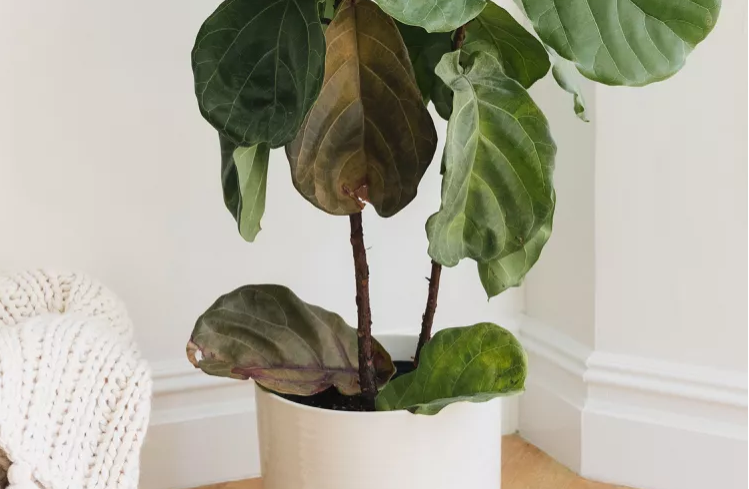
Curling leaves on a Fiddle Leaf Fig usually appear as tightly rolled, bowed, or creased edges. Sometimes, the leaf surface may look puckered or rippled, with margins that curl inward or upward. When inspecting, check whether only some leaves are affected or if it’s a widespread issue.
Common causes of leaf curling in Fiddle Leaf Figs
- Water-related stress: Both overwatering and underwatering can cause leaves to curl as the plant struggles to maintain hydration.
- Environmental stress: Too much direct sunlight, extreme temperatures, or dry indoor air can trigger leaf curling.
- Pest infestations: Tiny pests like spider mites, thrips, or scale insects can cause damage, leading to distorted or curled leaves.
- Nutrient deficiencies: Lack of essential nutrients may weaken the plant, resulting in leaf deformities.
- Root problems: Root rot from poor drainage can hinder water uptake, causing leaves to curl or wilt. Understanding these causes helps in choosing the right treatment and preventing future stress.
Section 2: Diagnosing the Exact Cause
Follow these diagnostic steps to determine why your Fiddle Leaf Fig’s leaves are curling:
Cause 1: Improper watering (overwatering or underwatering)
- Symptoms: Overwatering often results in soft, droopy, and curling leaves with yellowing, especially at the tips. Underwatering causes leaves to dry out, become crispy, or curl inward.
- How to confirm: Check the soil moisture; it should be moist but not waterlogged or bone dry. Feel the top inch—if it’s wet and cold, overwatering is likely; if dry, underwatering is probable.
- Why it happens: Overwatering leads to root rot, impairing water absorption. Underwatering deprives leaves of necessary hydration.
Cause 2: Environmental stress (incorrect light or temperature extremes)
- Symptoms: Excessively direct sunlight can scorch leaves, causing them to curl as a protective response. Cold drafts or hot, dry air can also cause curling.
- How to tell: Observe your plant’s location. Is it in direct, harsh sunlight or near vents or windows with cold drafts? Does the temperature fluctuate dramatically?
- Why it happens: Plants react to stress by curling their leaves to reduce water loss or shield sensitive tissues.
Cause 3: Pest infestations (such as spider mites or thrips)
- Symptoms: Curling may be accompanied by tiny webs, stippling on leaves, or visible pests.
- How to tell: Use a magnifying glass to inspect the undersides of leaves and stems for pests or specks.
- Why it happens: Pests pierce or suck sap from the leaves, causing distortion and curling.
How to tell which cause applies to your plant
Create a simple checklist: | Symptom | Possible Cause | Action Needed | |-----------|------------------|----------------| | Soft, yellowing, curled leaves | Overwatering | Check soil moisture, adjust watering | | Crispy, dry, inward curling | Underwatering | Water thoroughly, set a schedule | | Sunburn marks or sudden curling after direct sun exposure | Too much direct light | Move plant to bright, indirect light | | Tiny webs or stippling | Pest presence | Inspect closely for pests | Identifying these signs helps you select the right remedy.
Section 3: Treatment Solutions
Once you’ve identified the cause, here are targeted remedies:
Immediate actions: adjust watering schedule, check for pests, improve environmental conditions
-
For water issues:
-
Allow the soil to dry slightly if overwatered; if underwatered, water deeply until excess drains.
-
For pests:
-
Isolate the plant to prevent spread.
- Use a gentle pesticide or natural remedies like neem oil.
-
For environmental stress:
-
Move your plant away from harsh direct sunlight or drafts.
- Maintain a stable room temperature between 65-75°F (18-24°C) and increase humidity if needed.
Natural remedies: dilutes of neem oil, insecticidal soap, or hydrogen peroxide for pests
- Neem oil spray: Mix one teaspoon of neem oil with a liter of water, add a few drops of dish soap, and spray on affected leaves. Repeat weekly.
- Insecticidal soap: Use a commercial soap formulation designed for houseplants.
- Hydrogen peroxide solution: Mix 1 part hydrogen peroxide with 4 parts water and lightly spray to kill pests.
Chemical options: appropriate pesticides if necessary
- Use pesticide products labeled for houseplant pests, following package instructions carefully.
- Always spray in a well-ventilated area and wear protective gear.
- Avoid overuse to prevent damage to the plant and environment.
Long-term care: ensuring proper watering habits, adequate light, humidity control
- Water consistently: Allow the top inch of soil to dry out before watering again.
- Provide bright, indirect light: Place your plant near a window with filtered sun.
- Maintain humidity: Use a humidifier or pebble trays with water, especially in dry indoor spaces.
- Fertilize: During the growing season, feed with a balanced houseplant fertilizer every month.
Monitoring recovery: signs your plant is healing and when to intervene further
- New, healthy leaves emerging.
- Leaves reverting to normal, uncurled appearance.
- Roots appearing healthy when checked gently.
- If symptoms persist after two weeks, reevaluate and consider repotting or consulting a plant specialist.
Section 4: Prevention Tips
Prevention is always better than cure. Keep your Fiddle Leaf Fig thriving with these tips:
Maintain a consistent watering routine
- Water only when the top inch of soil feels dry.
- Avoid letting your plant sit in water to prevent root rot.
Provide optimal lighting
- Place your plant near a bright window with filtered light.
- Use grow lights if natural light is insufficient.
Keep temperature and humidity steady
- Aim for 65-75°F (18-24°C).
- Increase humidity with a humidifier or grouping plants.
Regularly inspect for pests
- Check the undersides of leaves weekly.
- Catch early signs of pests and treat promptly.
Use well-draining soil and pots
- Plant in a pot with drainage holes.
- Use a high-quality, airy soil mix designed for ficus plants. By sticking to these practices, you’ll reduce stress triggers and keep your Fiddle Leaf Fig healthy and happy.
Frequently Asked Questions
Q: How long until I see improvement after fixing watering issues?
A: Usually within 1-2 weeks. Look for new growth and leaf flattening. Consistent care is key.
Q: Can curling leaves be a sign of permanent damage?
A: Mild curling often recovers with proper care. Severe or persistent damage may require more intensive treatment, but many plants bounce back.
Q: Should I prune curled or damaged leaves?
A: Yes, removing badly affected leaves can improve plant appearance and redirect energy to healthy growth. Use clean, sharp scissors and prune at the base of the leaf stem.
Conclusion
Key Takeaways:
- Curling leaves on your Fiddle Leaf Fig typically indicate stress from watering, pests, or environmental factors.
- Accurate diagnosis—by inspecting soil moisture, light exposure, and pests—is crucial for targeted treatment.
- Adjust watering routines, improve environmental conditions, and treat pests naturally or chemically as needed.
- Prevent future issues with consistent care, proper lighting, and regular inspections. Remember, plants are resilient and with gentle, attentive care, your beloved Fiddle Leaf Fig can recover from leaf curling and thrive once again. Stay patient and attentive—your green companion’s health depends on your loving vigilance! Next steps: Implement the troubleshooting steps outlined here, adjust your plant care routine, and enjoy watching your Fiddle Leaf Fig regain its lush, vibrant beauty!