Learn how to diagnose and repair curling leaves on your spider plant with simple, effective tips. Keep your plant healthy and vibrant again!
Introduction
Noticing your spider plant’s leaves curling? Don’t worry—you’re not alone. Curling leaves are a common concern among indoor plant enthusiasts, especially those new to caring for this resilient, beautiful plant. Fortunately, most causes of leaf curling are straightforward to identify and fix, allowing your plant to bounce back quickly.
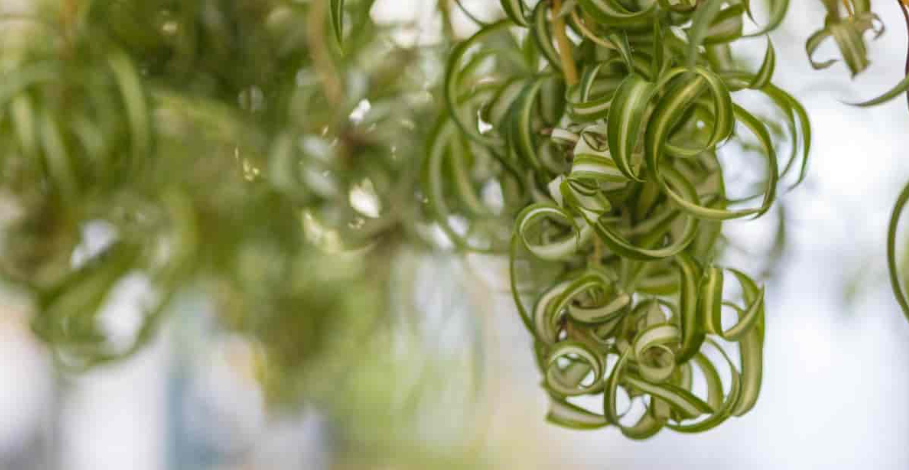
This guide will walk you through understanding what causes curling leaves in spider plants, how to diagnose the specific problem your plant is facing, and easy solutions to restore its health. With a little attentiveness and care, your spider plant can thrive and continue to add beauty to your indoor space.
Section 1: Understanding the Problem
Visual Identification of Curling Leaves
Curling leaves in a spider plant usually appear as leaves that are bent, twisted, or rolled inward. Sometimes they may also look ruffled or show signs of dryness or wrinkling along the edges. These visual clues help distinguish between healthy, flat leaves and those indicating underlying issues.
Common Causes of Curling Leaves
There are several common reasons why your spider plant’s leaves might curl:
- Overwatering or Poor Drainage: Excess water can suffocate roots, leading to stress and curling foliage.
- Underwatering or Dehydration: Lack of water causes leaves to dry out, curl, and become crispy.
- Improper Light Conditions: Too much direct sunlight can scorch leaves, while too little light causes weak growth and curling.
- Nutrient Deficiencies: Lack of essential nutrients like potassium or nitrogen can weaken leaves and cause curling.
- Pests: Spider mites, aphids, or other pests feeding on the leaves can lead to damage and curling. Understanding these causes is the first step toward effectively fixing the problem.
Section 2: Diagnosing the Exact Cause
A Step-by-Step Process to Identify the Root Issue
To determine what’s causing your spider plant’s curling leaves, follow these diagnostic steps:
Cause 1: Overwatering and Poor Drainage
- Check the soil moisture level. Is the soil soggy or waterlogged?
- Remove the plant from its pot and inspect the roots. Healthy roots are white and firm, while rotten roots appear brown or black and feel mushy.
Cause 2: Underwatering or Dehydration
- Feel the soil. Is it dry several inches deep?
- Observe leaf texture—are they dry, crispy, or limp?
Cause 3: Improper Lighting Conditions
- Is your plant placed in direct sunlight for extended periods?
- Or, is it in a low-light corner with minimal natural light?
How to Tell Which Cause Applies
- Soggy soil + rotted roots = overwatering
- Dry soil + crispy leaves = underwatering
- Excessive sun exposure + scorched leaves = too much light
- Limp or weak leaves + low light = insufficient lighting Accurate diagnosis helps you choose the most effective solution.
Section 3: Treatment Solutions
Immediate Actions
- For Overwatering: Remove excess water, improve drainage by adding gravel or perlite at the bottom of the pot, and reduce watering frequency.
- For Underwatering: Water thoroughly, ensuring the soil stays moist but not soggy.
- For Excess Sun: Move the plant to a spot with bright, indirect light or provide a sheer curtain.
- For Pests: Inspect leaves closely and treat with natural insecticidal soap or neem oil if pests are found.
Long-term Care
- Watering Schedule: Water when the top inch of soil feels dry. Adjust based on season and indoor humidity.
- Fertilization: Feed with a balanced houseplant fertilizer monthly during the growing season.
- Lighting: Ensure your spider plant receives bright, indirect sunlight for optimal growth. A north- or east-facing window is ideal.
Monitoring Recovery
- Keep an eye on new growth, which should appear healthier and uncurled.
- Remove severely damaged or severely curled leaves to encourage new, healthy leaves.
Section 4: Prevention Tips
Maintain a Healthy Environment
- Adjust watering routines: Avoid both overwatering and underwatering by checking soil moisture regularly.
- Control humidity levels: Spider plants prefer moderate humidity; use a humidifier or place a tray of water nearby if your home is very dry.
- Ensure Proper Light Exposure: Keep your plant in a well-lit space with filtered or indirect sunlight.
- Regular Inspection: Check your plant weekly for pests, nutrient deficiencies, or signs of stress.
- Feed and Repot Periodically: Use suitable fertilizers and update your plant’s pot as it outgrows its current container. By fostering these healthy conditions, you can prevent future leaf curling and keep your spider plant thriving.
Conclusion
Recap
Dealing with curling leaves in your spider plant begins with careful observation—identify whether overwatering, underwatering, improper light, pests, or nutrients are to blame. Once diagnosed, apply targeted remedies such as adjusting watering habits, providing proper lighting, and inspecting for pests.
Encouragement
Remember, curling leaves are often a sign that your plant needs a little adjustment, not a death sentence. With attentive care and simple fixes, your spider plant can recover beautifully and continue to bring lush greenery to your home.
Next Steps
Start by examining your plant’s leaves, soil, and position to determine the cause of curling. Then, implement the recommended changes from this guide. In no time, your spider plant will regain its vibrant, healthy appearance.
FAQ
Q: How long until I see improvement after fixing watering or lighting?
A: Typically, you can notice signs of recovery within a few weeks. You should see new, healthy leaves sprouting and existing leaves gradually returning to normal if the issue is corrected promptly.
Q: Can curling leaves be a sign of pests on my spider plant?
A: Yes, pests like spider mites and aphids can cause leaves to curl, distort, and weaken. Regular inspections and appropriate treatments can help eliminate pests and restore leaf health.
Q: Should I prune severely curled or damaged leaves?
A: Yes, removing severely damaged or curled leaves can help redirect the plant’s energy to healthy growth and prevent pest or disease problems from spreading.
By following these guidelines, you can troubleshoot and fix the curling leaves on your spider plant effectively. Happy gardening!