Discover why your Calathea's leaves are pale and learn effective troubleshooting and care tips to restore its vibrant color and health.
Introduction
Noticing your beloved Calathea's leaves turning pale can be alarming—after all, lush, vibrant foliage is a sign of a healthy, thriving plant. But don't worry! Pale leaves are often a sign that something in its environment or care routine needs adjustment. With a little detective work and tweak here and there, you can usually bring back your Calathea’s rich, patterned leaves. In this article, we'll explore common reasons behind pale foliage, step-by-step diagnostics, practical solutions, and key tips to keep your plant looking its best. Rest assured, with proper care, your Calathea can regain its stunning colors and continue to be a beautiful indoor accent.
Understanding the Problem
Visual Identification of Pale or Dull Leaves
The first step is to recognize what "pale" looks like on your Calathea. Healthy Calatheas display deep, vibrant green leaves with striking patterns—such as purples, pinks, or whites—depending on the variety. Pale leaves, by contrast, appear dull, washed out, or lighter than usual, often lacking their usual luster and vibrancy. Some may look almost yellowish or show faded markings.
Common Causes Overview
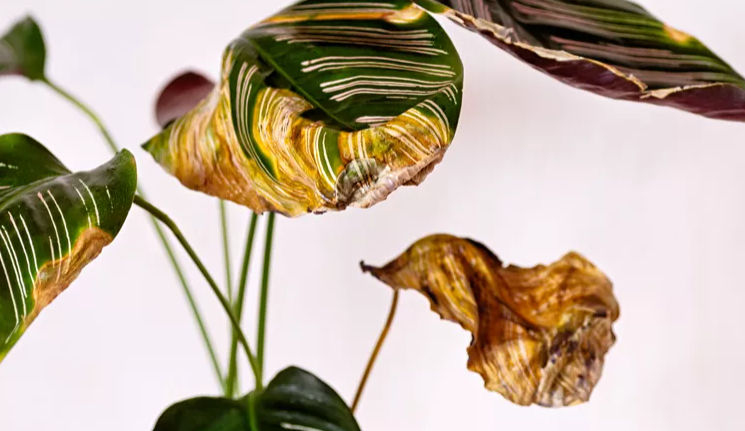
Several environmental or care-related issues can cause this discoloration:
- Insufficient or excessive light
- Improper watering habits (overwatering or underwatering)
- Low humidity or unexpected temperature shifts
- Pests or disease influences Understanding these common causes can help you quickly narrow down the problem.
Diagnosing the Exact Cause
Cause 1: Inadequate or Excessive Light
Calatheas thrive in bright, indirect light. Too much direct sunlight can scorch the leaves, causing them to turn pale or fade, while too little light can lead to weak, dull foliage. Observe the light exposure your plant receives daily.
Cause 2: Improper Watering — Overwatering or Underwatering
Watering issues are common for indoor plants:
- Overwatering can cause root rot, leading to poor nutrient uptake and pale leaves.
- Underwatering results in drought stress, causing leaves to lose color and become limp. Check the soil moisture with your finger; the top inch should be slightly dry before watering again.
Cause 3: Low Humidity or Temperature Stress
Calatheas love humid environments—ideally 50-60% humidity. Low humidity or cold drafts can stress the plant, leading to pale or discolored leaves. Indicators include dry leaf edges or curling alongside pale coloration.
How to Tell Which Cause Applies to Your Situation
- Overexposure to direct sunlight: plants in south-facing windows with harsh sun.
- Watering issues: soil feels soggy or excessively dry.
- Humidity or temperature issues: dry, brittle leaves, or a recent change in environment.
Treatment Solutions
Immediate Actions: Adjusting Light, Water, and Humidity
- Lighting: Move your Calathea to a spot with bright, filtered, or indirect sunlight. Avoid direct sun that can scorch leaves.
- Watering: Ensure you water only when the soil is dry to the touch. Use room temperature water and allow excess to drain.
- Humidity: Increase humidity by placing a humidifier nearby, grouping plants together, or setting the pot on a humidity tray with pebbles and water.
Long-term Care
- Consistent watering schedule: Maintain a regular routine that accounts for seasonal changes.
- Positioning: Keep your Calathea in spots with stable temperature between 65-75°F and away from drafts or cold windows.
- Humidity management: Use a humidifier regularly or mist the leaves to boost moisture levels.
Monitoring Progress and Recognizing Signs of Recovery
Over the next few weeks, observe your Calathea for improvements—leaves will gradually regain their vibrant colors, and the plant will appear healthier. Pale leaves that turn back to their natural hue confirm successful intervention.
Prevention Tips
Optimizing Lighting Conditions
- Place your Calathea in bright, indirect light—near an east- or north-facing window is ideal.
- Avoid direct sunlight, which can scorch delicate leaves and wash out their color.
Maintaining Consistent Watering and Humidity
- Stick to a watering routine based on soil moisture.
- Use humidity trays or a humidifier to keep moisture levels consistent.
Providing a Stable Temperature Environment
- Keep your plant away from cold drafts and heating vents.
- Maintain indoor temperatures within 65-75°F for optimal health.
Regular Inspection for Pests or Disease Issues
- Check the undersides of leaves for pests like spider mites or mealybugs.
- Remove any affected foliage promptly, and treat infestations early.
Conclusion
In essence, addressing why your Calathea has pale leaves involves understanding its environmental needs and making targeted adjustments. By ensuring adequate, indirect light, proper watering, and sufficient humidity, you can restore your plant’s vibrant foliage. Remember, a bit of patience and attentive care go a long way. Your Calathea has the potential to bounce back and continue to brighten your space with its stunning, patterned leaves. Don't hesitate to act promptly on these tips, and soon you'll see your plant flourish again with lush, colorful leaves!
FAQ
Q: How long until I see my Calathea's leaves recover after making changes?
A: Typically, you can expect to see noticeable improvements within 2 to 4 weeks. The leaves may gradually regain their rich coloration as your plant recovers from environmental stress. Be patient and consistent with your care routine.
Q: Can pale leaves be a sign of a more serious illness?
A: Pale or discolored leaves can sometimes indicate underlying health issues like root rot, pest infestation, or nutrient deficiencies. If adjusting light, water, and humidity don't improve your plant's appearance within a few weeks, inspect the roots and leaves for pests or disease and consider repotting with fresh soil if needed.
Q: Should I prune or remove severely pale or damaged leaves?
A: Yes. Prune away severely pale, yellow, or dead leaves using clean, sharp scissors or pruning shears. This encourages new growth and helps prevent disease spreading. Always sterilize your tools before pruning.
Keep your Calathea thriving!
By understanding its needs and addressing issues promptly, you can restore its beauty and enjoy a vibrant, lush indoor plant. Happy gardening!