Introduction
Noticing your Fiddle Leaf Fig’s leaves becoming transparent or its growth becoming leggy can be quite worrying. As a plant enthusiast, you want your indoor garden to thrive, and seeing signs of distress might leave you feeling helpless. But don’t worry—you’re not alone, and with some understanding and proper care, you can bring your plant back to health. This article will help you understand why your Fiddle Leaf Fig is experiencing leggy growth and transparent leaves, how to diagnose the root causes, and most importantly, how to implement practical solutions. With patience and attentive care, your Fiddle Leaf Fig can regain its lush, vibrant beauty.
Section 1: Understanding the Problem
Visual Identification of Leggy, Translucent Fiddle Leaf Fig
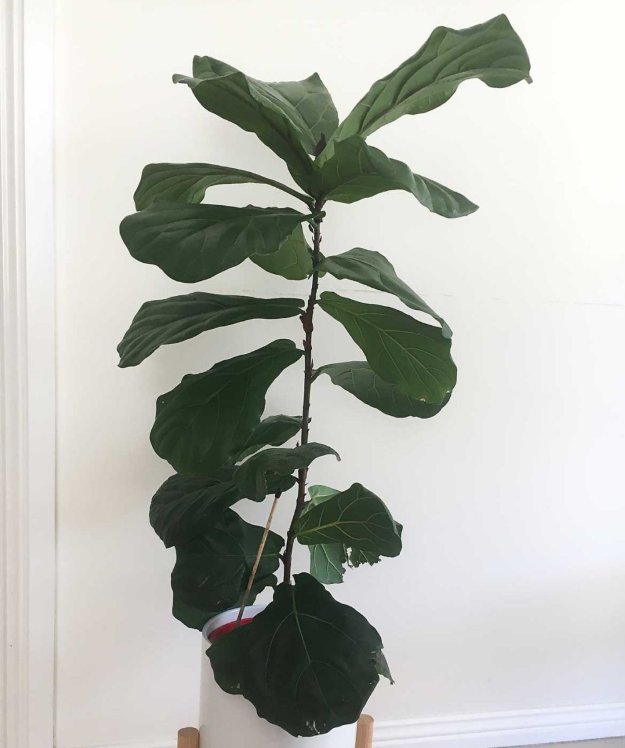
Before jumping into solutions, it’s essential to identify what’s happening to your plant. Leggy growth typically appears as tall, stretched-out stems with sparse leaves, often leaning toward the light source. Meanwhile, translucent leaves are thin, almost see-through, and may feel fragile or limp. Key symptoms include:
- Long, stretched stems with few leaves
- Leaves that look thin, shiny, and almost transparent
- Reduced overall plant density and vigor
- Leaves that may develop brown or yellow patches over time
Common Causes Overview: Light Issues, Overwatering, Nutrient Deficiencies, and Environmental Stress
These symptoms are often signs of underlying problems such as:
- Insufficient or inconsistent light
- Overwatering or poor drainage
- Nutrient deficiencies or imbalanced fertilization
- Environmental stress factors like temperature swings or low humidity Understanding these causes is the first step toward effective recovery.
Section 2: Diagnosing the Exact Cause
Follow a Step-by-Step Process to Pinpoint What's Causing Your Plant's Distress
Careful observation can reveal the true culprit behind your Fiddle Leaf Fig’s issues. Here’s how to do it:
Cause 1: Insufficient Light – How Low or Inconsistent Lighting Leads to Leggy Growth and Translucency
Signs of light deficiency:
- Leggy stems stretching toward any available light source
- Leaves that are small, pale, or translucent due to insufficient photosynthesis
- Plant leaning or tilting toward windows or light fixtures Diagnostic tip: Check where your plant is placed. Is it in a spot with bright, indirect sunlight for at least 4-6 hours daily? If not, lack of adequate light is likely the main cause.
Cause 2: Overwatering or Poor Drainage – Impact on Leaf Health and Transparency
Signs of overwatering:
- Roots that are soggy, brown, or rotten when examined
- Leaves that appear limp, translucent, or develop spots
- Soil that remains wet for days or has a foul odor Diagnostic tip: Feel the soil moisture regularly. If the top inch stays wet, overwatering might be damaging root health and affecting leaf integrity.
Cause 3: Nutrient Deficiency or Imbalanced Fertilization – How Lack of Essential Nutrients Affects Leaf Coloration and Growth
Signs of nutrient issues:
- Pale, translucent, or yellowing leaves
- Poor overall growth or sparse foliage
- Stunted or elongated stems Diagnostic tip: Consider your fertilization routine. Are you providing a balanced, diluted fertilizer during the growing season? Deficiencies in nitrogen, magnesium, or iron can cause leaf transparency and poor growth.
How to Tell Which One It Is: Diagnostic Tips, Observation Checklist
- Light: Is the plant close to a bright window? Are the stems excessively long and thin?
- Water: Is the soil consistently wet or soggy? Are roots healthy or rotted?
- Nutrition: When was the last time you fertilized? Are leaves pale or yellowish? By answering these questions, you can identify the primary cause and tailor your care plan accordingly.
Section 3: Treatment Solutions
Once you’ve pinpointed the cause(s), it's time to implement targeted fixes for your Fiddle Leaf Fig.
Immediate Actions to Take: Adjusting Light, Watering Practices, Fertilization
- Increase Light: Move your plant to a brighter spot with indirect sunlight. You can supplement with grow lights if natural light is limited.
- Adjust Watering: Allow the soil to dry out slightly between waterings. Ensure your pot has drainage holes to prevent waterlogging.
- Fertilize Properly: Use a balanced, water-soluble houseplant fertilizer at half strength every 4-6 weeks during the growing season.
Long-term Treatment Plan: Consistent Care Routines, Proper Watering Schedule, Balanced Fertilization
- Lighting: Maintain a consistent bright, indirect light environment.
- Watering: Establish a watering routine based on soil moisture—typically once a week, adjusting for seasonal changes.
- Fertilization: Stick to a regular fertilization schedule with appropriate nutrients, avoiding overfeeding.
- Pruning: Remove any severely leggy or damaged parts to encourage bushier, healthier growth.
What to Expect During Recovery: Signs of Improvement
- Stems will start to straighten and become more robust
- Leaves will regain their opacity and vibrant green color
- New growth will appear, showing signs of healthy development
- Overall plant structure will become fuller and more compact Patience is key—recovery may take several weeks, but consistent care will yield positive results.
Section 4: Prevention Tips
Prevention is always better than cure. Here are some tips to keep your Fiddle Leaf Fig healthy and vibrant:
Care Routine Adjustments: Proper Watering, Fertilization, Pruning
- Water only when the top inch of soil feels dry
- Use a balanced fertilizer during the active growing season
- Regularly prune to promote bushier growth and remove dead or leggy stems
Environmental Factors to Monitor: Light Exposure, Humidity, Temperature Stability
- Ensure your plant receives ample bright, indirect light
- Maintain humidity levels around 50-60% to prevent leaf stress
- Keep temperature steady between 65-75°F (18-24°C), avoiding drafts or sudden temperature drops By maintaining optimal conditions, you can prevent issues like leggy growth and translucent leaves from recurring.
Conclusion
Addressing leggy growth and translucent leaves in your Fiddle Leaf Fig involves understanding the underlying causes, diagnosing accurately, and making targeted adjustments to your care routine. With patience, consistency, and a gentle touch, your plant can regain its lush, vibrant appearance. Start by evaluating your plant’s lighting, watering, and fertilization habits. Implement the recommended solutions, and watch as your Fiddle Leaf Fig begins to thrive once again. Remember, every healthy plant was once a struggling one—your attentive care will turn your indoor garden into a lush oasis.
FAQ
Q: How long until I see improvement after adjusting care?
A: Typically, you can expect to see signs of recovery within 2 to 4 weeks. New growth will start to appear, and existing leaves may regain their opacity. Patience and consistent care are essential.
Q: Can my Fiddle Leaf Fig fully recover from translucency?
A: Yes, if the translucency is caused by reversible issues like light deficiency or watering problems, proper adjustments can restore leaf health. However, if leaves have become severely damaged or rotted, they may not recover fully, and pruning may be necessary.
Q: Should I prune the leggy or damaged parts for better growth?
A: Absolutely. Pruning encourages bushier, healthier growth and removes weak or damaged stems. Use clean, sharp scissors or pruning shears, and make cuts just above a leaf node or healthy section.
With these insights and care tips, you’re well-equipped to revive your Fiddle Leaf Fig and enjoy its stunning, lush foliage once again. Happy gardening!