Looking after a Peace Lily can be a rewarding experience, but noticing sticky leaves can be worrying. Fortunately, this common issue often has simple causes and remedies. In this article, we’ll explore why your Peace Lily’s leaves might be sticky, how to diagnose the problem accurately, and most importantly, how to restore your plant’s health. With some care and patience, you can help your Peace Lily thrive again.
Understanding the Problem
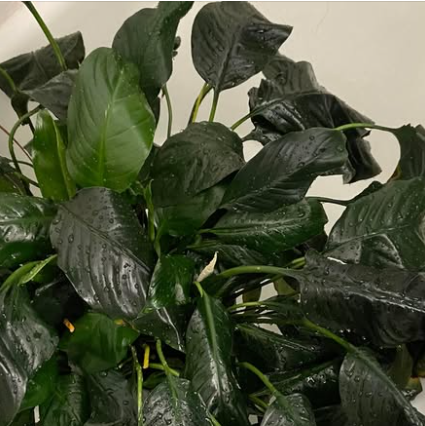
When you see your Peace Lily’s leaves shiny or sticky, it’s natural to feel concerned. But first, let’s identify what sticky leaves look like and what could cause them.
Visual Identification of Sticky or Shiny Residue on Leaves
Typically, sticky leaves appear shiny or glossy, almost as if they’re coated with a thin layer of resin. You might notice a translucent or slightly milky film on the surface, which can attract dust and dirt, making the plant look dull and unhealthy over time. Sometimes, the sticky substance is accompanied by a faint odor or even the presence of small insects.
Common Causes Overview, Including Pests and Environmental Factors
The main reasons behind sticky leaves usually fall into two categories:
- Pests, especially sap-sucking insects such as mealybugs, scale, or aphids.
- Environmental factors, such as fungal infections, mold, or overfeeding, which can produce sticky secretions. Understanding which of these causes is affecting your Peace Lily is key to applying the correct solution.
Diagnosing the Exact Cause
Now that you've observed your plant’s leaves, it’s time to diagnose what’s causing the stickiness. Follow this step-by-step process:
Cause 1: Sap-Sucking Insects (Mealybugs, Scale, Aphids)
Inspect your plant’s undersides of leaves, leaf joints, and stems for tiny insects or their eggs. These pests often appear as small, soft-bodied insects or hard shells attached to the plant. They excrete a sticky substance called honeydew, which is usually the root of the sticky residue.
Cause 2: Fungal Infections or Mold Secretion
Sometimes, fungal infections or mold growth can cause sticky, slimy spots on leaves, especially in areas with high humidity. Look for fuzzy or powdery patches, and check if the sticky substance is greasy or slightly rotting.
Cause 3: Environmental Factors, Such as High Humidity or Overfeeding
Excessive watering or overfeeding your Peace Lily can lead to stress and abnormal secretions. High humidity environments can also promote mold and fungal growth, resulting in sticky residues.
How to Tell Which Cause Applies to Your Peace Lily
- Presence of insects or eggs? Likely pests.
- Fuzzy or powdery patches? Possible fungal infection.
- Sticky but no visible insects or fungus? Consider environmental factors like overfeeding or humidity. Careful inspection will help you choose the right treatment to get your Peace Lily back in shape.
Treatment Solutions
Once you’ve identified the cause, implementing the right treatment is straightforward. Here are options tailored to each issue.
Immediate Actions to Remove Pests or Mold
- For pests: Use insecticidal soap or neem oil. Spray thoroughly on affected areas, especially the undersides of leaves, and repeat every few days until the pests are gone.
- For fungal infections or mold: Gently wipe leaves with a mixture of water and mild dish soap. For stubborn mold, apply a diluted hydrogen peroxide solution (1 part hydrogen peroxide to 3 parts water) to sterilize affected areas.
Adjusting Care Routines
- Watering: Let the soil dry out slightly between waterings to prevent overhydration. Peace Lilies prefer consistently moist but not soggy soil.
- Humidity: Maintain moderate humidity, ideally around 40-60%. If your environment is too humid, improve ventilation or use a dehumidifier.
- Pruning: Remove any heavily affected leaves or stems to prevent the spread of pests or fungi.
Long-term Strategies to Prevent Recurrence
- Regularly inspect your plant for early signs of pests or mold.
- Use natural pest deterrents, such as introducing beneficial insects or spraying with neem oil periodically.
- Maintain consistent care routines, avoiding overfeeding and overwatering.
- Keep your indoor environment clean and well-ventilated.
Expected Recovery Timeline and Monitoring
Typically, with proper treatment, you should notice a reduction in stickiness within a week. Complete recovery may take up to two or three weeks, depending on the severity. Keep monitoring your plant closely, and don’t hesitate to repeat treatments if needed.
Prevention Tips
Prevention is always better than cure. Here’s how to keep your Peace Lily free of sticky issues:
Regular Inspection and Pest Control Routines
- Check your plant weekly for any signs of pests or mold.
- Use organic pest control methods proactively rather than waiting for infestations to become severe.
Maintaining Optimal Humidity and Avoiding Overfeeding
- Balance humidity levels and avoid excess fertilization, which can encourage mold growth.
- Use a balanced, diluted fertilizer only during the growing season, following recommended doses.
Proper Watering Practices and Clean Environment
- Water only when the top inch of soil feels dry.
- Keep surrounding areas clean and dust-free, reducing the risk of mold.
Using Natural Remedies to Deter Pests
- Spray diluted neem oil or insecticidal soap regularly.
- Introduce natural predators like ladybugs if outdoor space permits.
Conclusion
Sticky leaves on your Peace Lily are a common concern, but with proper diagnosis and care, they are manageable. Usually, the cause is either pests, fungal issues, or environmental stressors—all of which can be addressed with targeted solutions. Remember, most causes are treatable, and your plant can recover beautifully with patience and consistent attention. Start with a gentle inspection, follow the recommended treatments, and implement preventative measures. Your Peace Lily will thank you with vibrant, healthy foliage and lush growth.
FAQ
Q: How long until I see improvement after treatment?
A: Most symptoms will start to improve within a week of applying the appropriate treatment. Consistent monitoring and repeated applications, if necessary, will ensure the best results over two to three weeks.
Q: Will my Peace Lily fully recover from sticky leaves?
A: Yes, with proper treatment and care, most Peace Lilies can fully recover. The key is early detection and prompt action to eliminate pests or infections.
Q: Should I prune the affected leaves or stems?
A: Pruning heavily affected or damaged leaves can help the plant focus its energy on healthy growth and reduce the spread of pests or mold. Use clean, sharp scissors and dispose of pruned material properly.
By understanding the root causes of sticky leaves and applying the right solutions, you’ll give your Peace Lily the best chance to flourish. Happy gardening!