Discover why your Jade Plant has black spots and learn effective treatments and prevention methods to restore its health and beauty.
Introduction
Noticing black spots on your Jade Plant can be pretty alarming, especially if you've invested time and care into keeping it healthy. As a beloved indoor succulent, your Jade Plant deserves the best care, and sudden black spots might make you worry about its survival. But don’t panic — this is a common issue that many plant enthusiasts face, and with proper diagnosis and care, it can be resolved. In this article, I’ll guide you through understanding the causes of black spots, help you diagnose your plant's specific problem, and provide practical solutions to get your Jade back to thriving health. Rest assured, with attentive care, your Jade Plant can recover and regain its lush, vibrant appearance.
Section 1: Understanding the Problem
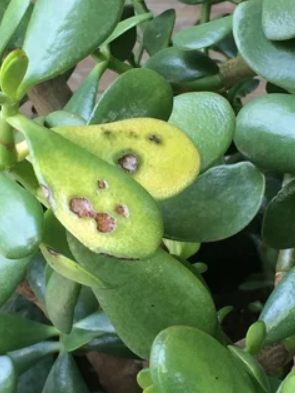
Visual Identification of Black Spots on Leaves and Stems
Black spots typically appear as dark, irregular patches on the leaves, stems, or both. They may vary in size from tiny specks to sizable blotches. Sometimes, the spots are accompanied by other signs such as yellowing foliage, soft or mushy areas, or a sticky residue.
Common Causes Overview
- Fungal infections: Most often, black spots are caused by fungal pathogens that thrive in moist, humid environments.
- Overwatering: Excessive watering can lead to root rot, which manifests as black spots on the stems or leaves.
- Poor airflow and high humidity: Stagnant air and humidity trap moisture around the plant, encouraging fungal growth.
- Physical damage and pests: Scratches, bruises, or pest infestations can open the door for infections, leading to black spots.
Section 2: Diagnosing the Exact Cause
Follow these steps to determine what’s causing the black spots on your Jade Plant:
Cause 1: Fungal Infections, like Black Spot Disease
Fungal pathogens such as Alternaria or Phomopsis can infect the plant's tissues, causing black, necrotic spots. These often spread rapidly if conditions are humid and poorly ventilated.
Cause 2: Overwatering Leading to Root and Stem Rot
If your plant is sitting in water or the soil remains soggy, roots can rot and provide entry points for fungi. Visible signs include mushy stems, discolored roots, and blackening on the lower parts of the plant.
Cause 3: Physical Damage or Pests Fostering Infection
Insects like mealybugs or scale can damage the plant’s surface, resulting in black mold or sooty molds, which appear as black spots.
How to tell which cause is behind your plant’s black spots:
- Check for softness or mushiness: Soft, rotting stems suggest overwatering or root rot.
- Inspect the undersides of leaves: Presence of pests or sticky residue indicates pest activity.
- Examine the soil: Soggy, compacted soil points to watering issues.
- Look for fungal growth or mold: Black mold or fuzzy patches indicate fungal infection.
Section 3: Treatment Solutions
Immediate actions
- Remove affected leaves or stems: Use sterilized scissors or pruners to carefully cut away blackened parts.
- Isolate the plant: Keep it away from other houseplants to prevent spreading infection.
- Clean your tools: Always sterilize tools with alcohol or bleach solutions before pruning to avoid cross-contamination.
Applying natural remedies
- Neem oil: A natural fungicide and insect repellent that can help control fungal infections.
- Fungicidal solutions: Use commercial fungicides formulated for succulents, following the label instructions carefully.
Chemical options when necessary
If natural methods aren’t effective, you may opt for a broad-spectrum fungicide. Always ensure it's safe for indoor plants and follow the manufacturer’s directions.
Long-term care adjustments
- Improve airflow: Place your Jade where it receives good ventilation, or use a small fan if necessary.
- Adjust watering habits: Water only when the top inch of soil is dry. Ensure the pot has drainage holes to prevent water pooling.
- Use well-draining soil: A cactus or succulent mix helps prevent excess moisture retained in the roots.
- Optimize light: Provide bright, indirect sunlight to bolster plant health and resistance.
Monitoring during recovery
Regularly inspect your Jade Plant for new black spots or other issues. Catching early signs ensures quick action and better recovery chances.
Section 4: Prevention Tips
Ensure Proper Watering and Drainage
- Water only when the soil is dry, usually every 2–3 weeks in indoor environments.
- Use pots with drainage holes to prevent water from stagnating.
Provide Adequate Airflow and Avoid Excessive Humidity
- Place your Jade in a well-ventilated spot, away from drafts or high humidity zones like bathrooms.
- Use a small fan if necessary, especially during humid seasons.
Regular Inspection of Your Plant
- Check leaves and stems weekly for early signs of black spots, pests, or mold.
- Remove dead or damaged leaves promptly.
Sterile Tools and Soil When Repotting
- Always sterilize scissors, trowels, and pots before handling.
- Use sterilized or fresh soil to prevent introducing pathogens.
Conclusion
Recap of Causes, Diagnosis, and Solutions
Black spots on your Jade Plant can stem from various issues such as fungal infections, overwatering, or physical damage—each requiring a tailored approach. Proper diagnosis involves inspecting the plant’s tissue, soil, and environment. Treatment includes removing affected parts, applying natural or chemical fungicides, and adjusting care routines to promote a healthy, pest-free environment.
Encouragement
Remember, you’re not alone in facing this challenge. With patience, careful observation, and dedicated care, your Jade Plant can recover from black spots and shine with its characteristic resilience and beauty.
Next Steps
Start by identifying the cause of the black spots on your Jade Plant today. Implement the appropriate treatment plan, and adopt preventive practices to ensure long-term health. Your efforts will pay off — your plant will thank you with vibrant, thriving foliage.
FAQ
Q: How long until I see improvement after treatment?
A: Typically, you will notice signs of recovery within a few weeks if the issue is caught early. New growth should be healthy and free of black spots. Continue monitoring your plant and maintain proper care routines to support healing.
Q: Can black spots disappear naturally if untreated?
A: It depends on the cause. Fungal spots may persist or worsen if not treated, potentially spreading further. Over time, some black spots may fade if environmental conditions improve, but it’s generally better to actively treat the problem for complete recovery.
Q: Should I prune or remove all affected leaves?
A: Yes. Carefully prune only the visibly affected parts using sterilized tools. Removing infected leaves or stems helps prevent spread and encourages healthy new growth.
Taking prompt action and maintaining consistent, healthy care routines are key to restoring your Jade Plant. Don’t be discouraged — every plant problem is an opportunity to learn and grow as a plant parent!