Discover why your ZZ Plant has white fuzz, identify the cause, and learn effective solutions to restore its health. Tips for prevention included.
Introduction
Noticing white fuzz on your ZZ Plant can be quite alarming—many plant parents worry about pests, mold, or health problems that threaten their beloved greenery. But don’t panic just yet! White fuzz is a common issue that, with some careful diagnosis and treatment, can be easily managed. In this article, we'll explore why is my ZZ Plant having white fuzz, help you identify the cause, and guide you through practical steps to eliminate the problem and prevent future occurrences. Rest assured, with proper care and attention, your ZZ Plant can recover beautifully and continue to be a lush, vibrant addition to your home.
Section 1: Understanding the Problem
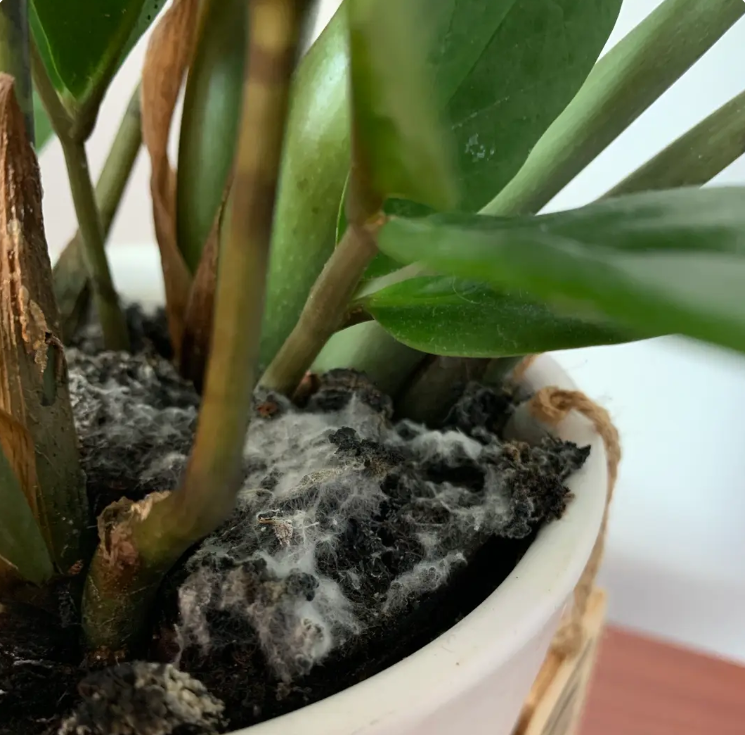
The first step in solving any plant issue is understanding what you’re dealing with.
Visual Identification of White Fuzzy Growths or Mold on ZZ Plant
White fuzz on your ZZ Plant can appear as:
- Soft, cotton-like patches on the leaves or stems
- Powdery or fuzzy coating covering parts of the plant
- Dry, flaky white spots that seem to be expanding These growths might look similar to mold, mildew, or pest excretions, but they all share a common trait: they compromise your plant’s health if left unaddressed.
Common Causes Behind White Fuzz
The main reasons your ZZ Plant might develop white fuzz include:
- Pests, especially mealybugs or certain fungal pests
- Fungal infections, such as powdery mildew
- Environmental factors, like excess humidity or poor air circulation leading to mold or mildew growth Understanding which of these causes applies to your plant is vital to applying the right treatment.
Section 2: Diagnosing the Exact Cause
To fix the issue effectively, you must identify the root cause of the white fuzz. Here's a step-by-step approach:
Cause 1: Mealybugs or Fungal Pests Causing White Fuzz
- Appearance: Tiny, soft, white, cottony clusters mainly on the undersides of leaves and along stems.
- Signs: Sticky residue (honeydew), yellowing leaves, distorted growth.
Cause 2: Fungal Infections like Powdery Mildew
- Appearance: White, powdery patches that look like someone dusted the plant with flour.
- Signs: Fuzz doesn’t tend to be cottony but resembles powder, often spreading over large leaf areas.
Cause 3: Environmental Factors Leading to Mold or Mildew
- Appearance: Fluffy white growths, often fuzzy and mold-like, especially on soil surface or leaf bases.
- Signs: Excess moisture or poor airflow, foul smell, and rapid spread in humid conditions.
How to Tell Which Cause Is Affecting Your Plant
- Check the growth texture: Is it cotton-like and soft (pests), powdery (fungal), or fluffy mold (mold)?
- Inspect closely: Use a magnifying glass if necessary. Look for tiny insects or eggs.
- Monitor environmental conditions: Humid, poorly ventilated areas favor mold. By carefully observing your plant and its environment, you can pinpoint the cause and proceed with targeted treatment.
Section 3: Treatment Solutions
Once you've identified the cause, it's essential to act promptly. Here's what you should do:
Immediate Actions: Isolating and Cleaning
- Isolate your ZZ Plant: Keep it away from other houseplants to prevent spread.
- Remove affected leaves: Carefully prune heavily infested or moldy parts.
- Clean affected areas: Use a soft cloth or brush to gently remove loose fuzz or mold.
Natural Remedies
- Neem Oil: Mix according to instructions and spray on leaves. It acts as an insecticide and antifungal agent.
- Insecticidal soap: Effective against mealybugs—spray on all plant surfaces.
- Hydrogen peroxide solution: Mix 3% hydrogen peroxide with water (1:3 ratio) and spray to kill pests and fungal growths.
Chemical Treatments
- Use appropriate fungicides: For persistent fungal infections like powdery mildew.
- Apply pesticides cautiously, following the label instructions, and only if natural remedies fail.
Long-term Care
- Adjust watering: Avoid overwatering, which fosters mold and pest problems.
- Control humidity: Keep indoor humidity around 40-60%.
- Improve airflow: Use fans or space plants adequately.
- Use clean tools: Always disinfect pruning shears and watering cans.
Monitoring Recovery
- Observe your ZZ Plant daily for signs of improvement: reduced fuzz, healthier leaves, and no new growths of pests or mold.
- Consistently maintain proper care routines to prevent reoccurrence.
Section 4: Prevention Tips
Prevention is always better than cure. Keep your ZZ Plant healthy with these simple tips:
Maintain Proper Watering and Humidity Levels
- Water only when the top inch of soil feels dry.
- Use a humidity monitor if necessary to keep environment optimal.
Regularly Inspect Plants for Early Signs
- Look under leaves and along stems weekly.
- Catch early pest or mold signs before they spread.
Ensure Adequate Airflow and Avoid Overwatering
- Space plants to avoid crowding.
- Use fans or open windows when weather allows.
Use Clean Tools and Keep Leaves Dry
- Disinfect pruning shears after each use.
- Wipe leaves with a damp cloth to remove dust and prevent fungal build-up.
Conclusion
In summary, if you're asking yourself "Why is my ZZ Plant having White Fuzz?", the likely causes include pests like mealybugs, fungal infections such as powdery mildew, or environmental issues like excess humidity. By carefully diagnosing the problem and acting swiftly with appropriate treatments—natural remedies, improved care, and preventive measures—you can help your ZZ Plant recover and flourish again. Remember, most plant issues are manageable with patience and proper attention. Start with a detailed inspection, treat the specific problem, and continue maintaining healthy growing conditions. Your ZZ Plant is resilient, and with your dedicated care, it will thrive once more.
FAQs
Q: How long will it take to see improvement after treatment?
A: Typically, you can expect to see signs of recovery within a few weeks—such as new healthy growth, reduced fuzz, and pest disappearance—if treatments are applied correctly and consistently. Patience is key, especially with fungal or pest issues.
Q: Can my ZZ Plant fully recover from white fuzz?
A: Yes! With prompt and proper treatment, most ZZ Plants can fully recover from white fuzz caused by pests, mold, or environmental factors. The plant’s resilience often surprises plant parents.
Q: Should I prune or remove affected parts for better results?
A: Absolutely. Removing heavily infested or moldy leaves and stems helps prevent the spread. Always use clean, sharp tools and dispose of pruned material away from the plant to avoid reinfestation.
Keep caring for your ZZ Plant with love, and it will reward you with lush, vibrant foliage once again. Happy gardening!