Discover why your Rubber Plant may exhibit leggy growth and learn practical solutions and prevention tips to encourage fuller, healthier foliage.
Introduction
Noticing your Rubber Plant’s stems are stretching taller and thinner? If your beloved indoor plant isn’t looking as lush as it once did, don’t worry—you’re not alone. Leggy growth in Rubber Plants is a common concern among plant enthusiasts, especially beginners trying to provide the best care. This phenomenon, characterized by elongated stems with sparse leaves, can be quite frustrating but is easily fixable with some understanding and adjustments. In this article, we’ll explore why is my Rubber Plant having leggy growth, how to identify the causes, and most importantly, how to restore its fullness. With friendly guidance and practical tips, you’ll soon have your Rubber Plant looking vibrant and healthy again.
Section 1: Understanding the Problem
Visual Identification
Leggy growth in your Rubber Plant typically appears as stretched, elongated stems with fewer leaves, creating an unbalanced or sparse look. Instead of a bushy, compact appearance, you’ll notice gaps between leaf clusters, and the stems may seem to be reaching out for light.
Common Causes Overview
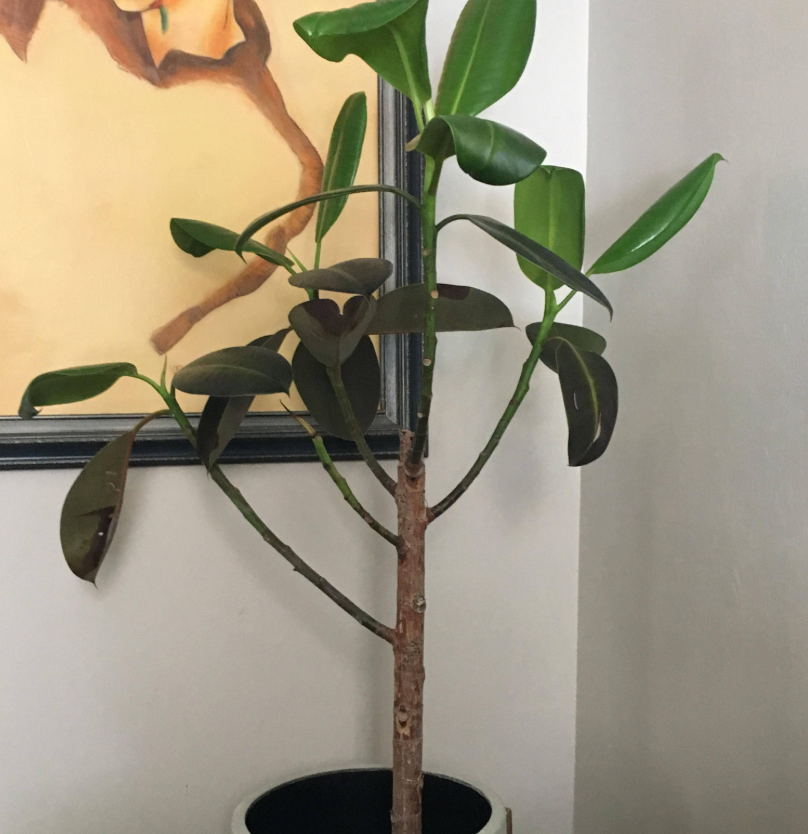
Several factors can lead to leggy growth, but the main culprits are:
- Insufficient natural light
- Environmental stressors like low humidity or uneven watering
- Over-fertilization Understanding these helps you target the right solutions effectively.
Section 2: Diagnosing the Exact Cause
To correct leggy growth, it’s crucial to identify its root cause. Here are key steps to help you diagnose your Rubber Plant’s specific issue.
Cause 1: Insufficient Light — Plant Reaching for Sunlight
Symptoms: Thin, stretched stems with sparse leaves leaning toward a light source. If your plant is placed in a shady corner, it will naturally grow taller and thinner as it searches for better light. How to check: Observe if the plant is placed away from windows or in low-light areas. If the stems are elongated and the foliage is sparse on top, insufficient light is likely.
Cause 2: Low Humidity or Uneven Watering — Stress Factors
Symptoms: Wilting or drooping leaves, inconsistent growth, and a general decline in plant vigor. Rubber Plants prefer moderate to high humidity levels. How to check: Feel the humidity around your plant. If your home is dry or your watering schedule is irregular (overwatering or underwatering), these stressors can cause poor growth patterns.
Cause 3: Over-fertilization — Excess Nutrients
Symptoms: Rapid, weak, and leggy growth, with possibly small, pale leaves. Too much fertilizer can cause the plant to grow quickly but without strength or density. How to check: Review your fertilizing routine. If you’ve been giving frequent, high-concentration feedings, this could be contributing to leggy growth.
How to tell which cause it is:
- Observe your plant’s environment: Are the stems reaching toward the light? Are the leaves healthy and dense?
- Assess watering habits: Is the soil consistently moist but not soggy?
- Think about your fertilizing schedule. A careful observation will give you clues to determine the primary cause.
Section 3: Treatment Solutions
Immediate Actions
- Relocate your Rubber Plant: Move it to a spot with bright, indirect sunlight. A south or east-facing window is ideal.
- Prune elongated stems: Use clean, sharp pruning scissors to trim back stretched stems just above a node. This encourages new, fuller growth.
Long-term Treatment Plan
- Adjust watering habits: Water only when the top inch of soil feels dry; ensure proper drainage.
- Improve humidity: Consider placing a humidity tray nearby or misting the leaves regularly.
- Consider repotting: If your plant has become root-bound or if soil nutrients are depleted, repotting into fresh soil can promote healthier growth.
Recovery Expectations
With consistent care and attention, your Rubber Plant should start producing denser foliage and a more bushy appearance within a few months. Patience is key.
Section 4: Prevention Tips
To keep your Rubber Plant lush and full:
Maintain Optimal Lighting
- Provide bright, indirect sunlight daily—avoid direct afternoon sun, which can scorch leaves.
- Rotate the plant regularly for even growth.
Control Environment
- Keep humidity levels moderate (around 50-60%)—use a humidifier or place the pot on a pebble tray.
- Maintain consistent warmth (65-80°F), avoiding cold drafts.
Consistent Watering and Fertilizing Schedule
- Water when the topsoil feels dry.
- Feed monthly during the growing season with a balanced, diluted houseplant fertilizer.
Regular Pruning
- Trim back leggy stems to promote bushier growth.
- Remove any dead or weak branches to encourage energy to focus on healthy shoots.
Conclusion
Leggy growth in Rubber Plants often stems from inadequate light and environmental stress, but the good news is that it’s entirely manageable. By providing proper lighting, adjusting watering, and practicing regular pruning, you can restore your Rubber Plant’s lush fullness. Remember, every plant responds well to attentive care. With patience and the right adjustments, your Rubber Plant will regain its vibrant, bushy appearance, becoming a striking centerpiece in your home.
FAQ
Q: How long will it take to see improvements after changing light levels?
A: Typically, you can notice new, healthier growth within 2 to 3 months after adjusting the lighting. Keep up with proper care, and be patient—new shoots will become fuller over time.
Q: Is pruning necessary, and how should I do it?
A: Pruning is highly recommended to encourage bushier growth. Use clean, sharp scissors or pruning shears to cut just above a node on the elongated stems. This stimulates the plant to produce multiple new shoots and improves overall fullness.
Q: Can I prevent leggy growth in the future?
A: Yes. Ensure your Rubber Plant receives enough bright, indirect light, maintains a consistent watering and fertilizing routine, and practices regular pruning. Monitoring environmental conditions helps keep your plant healthy and compact.
Your Rubber Plant’s lush, full foliage is within reach! Implement these simple tips, stay consistent, and watch your indoor greenery thrive.