Struggling with yellow leaves on your Peace Lily? Discover practical diagnosis and treatment tips to revive your plant and keep it healthy!
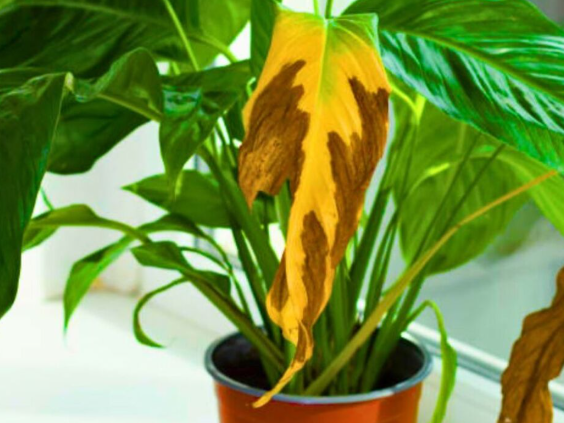
Having a beautiful Peace Lily brightens up any indoor space, but when its rich green leaves start turning yellow, it can cause quite a bit of worry. Don’t fret—yellowing leaves are often a sign that your plant needs some attention, and with a bit of troubleshooting, you can bring your Peace Lily back to its lush, vibrant state. In this guide, we’ll explore the common reasons behind yellow leaves, how to diagnose the root cause, and the simple, effective solutions to restore your plant’s health. Remember, with patience and proper care, your Peace Lily can bounce back and thrive once again.
Understanding the Problem
Visual Identification of Yellow Leaves
First, let's clarify what yellow leaves look like on a Peace Lily. You might notice:
- Partial yellowing: Lower leaves turning yellow at the tips or edges, which might progress inward.
- Widespread yellowing: Several or all leaves turning yellow simultaneously, giving the plant a faded, unhealthy appearance.
- Drooping leaves: Sometimes accompanied by yellowing, leaves may also sag or wilt. Yellow leaves can appear in varying patterns and intensities, but regardless, they indicate something isn’t quite right.
Common Causes Overview
Yellowing leaves can stem from a variety of issues, including:
- Overwatering or poor drainage leading to root rot
- Underwatering or inconsistent watering habits
- Insufficient or improper light conditions
- Nutrient deficiencies such as nitrogen or iron
- Pests and diseases affecting leaf health Understanding these causes helps you target your care approach effectively.
Diagnosing the Exact Cause
To effectively fix the yellow leaves, it’s crucial to identify what’s causing the problem. Follow this logical process:
Cause 1: Overwatering or Poor Drainage
Signs: Roots that are brown, mushy, or emit a foul odor, often accompanied by yellow leaves and overall plant weakness. How to Check: Gently remove your Peace Lily from its pot and inspect the roots. Healthy roots are white and firm; rotted roots are dark and slimy.
Cause 2: Insufficient or Improper Lighting Conditions
Signs: Leaves may yellow if the plant isn’t receiving enough bright, indirect light. Conversely, too much direct sunlight can scorch leaves and cause discoloration. How to Check: Observe your plant’s placement—does it sit near a north or east-facing window? Is it exposed to direct afternoon sun? Adjust accordingly.
Cause 3: Nutrient Deficiencies
Signs: Pale or yellowing leaves, especially if new growth is also affected. Iron deficiency often causes young leaves to yellow, while nitrogen deficiency affects older leaves. How to Check: Consider when you last fertilized. Lack of fertilization can be a common culprit.
Diagnostic Steps:
- Assess watering habits: Are you watering too often or too little?
- Examine sunlight exposure: Is the plant in a spot with adequate bright, indirect light?
- Inspect roots for rot: Does the root check reveal damage?
- Review fertilization schedule: Has it been a while since your last feeding? Answering these questions helps determine which cause (or combination) is affecting your Peace Lily.
Treatment Solutions
Once you identify the cause, implementing targeted remedies can restore your Peace Lily’s health.
Immediate Actions
- For overwatering and root rot:
- Remove the plant from its pot and trim away any rotten roots with sterilized scissors.
- Repot into fresh, well-draining potting mix designed for houseplants.
- Adjust your watering schedule—allow the top inch of soil to dry out before watering again.
- For improper lighting:
- Move the plant to a brighter spot with filtered, bright indirect light.
- Avoid direct sunlight that can scorch leaves.
- For nutrient deficiencies:
- Apply a balanced, water-soluble houseplant fertilizer at half strength.
- Consider using a fertilizer formulated specifically for leaf-loving plants like Peace Lilies.
Long-term Care Strategies
- Establish a consistent watering routine: Typically, watering once a week, ensuring excess water drains freely.
- Provide optimal lighting: Bright, indirect light is ideal—think near an east-facing window.
- Fertilize regularly: During the growing season (spring and summer), feed your plant every 4–6 weeks.
- Maintain proper humidity: Peace Lilies prefer higher humidity—using a humidifier or misting can help.
Monitoring Recovery
Keep an eye on your plant’s progress. New leaves should be healthy and green, and existing yellow leaves will gradually yellow and die back. Be patient, as recovery may take a few weeks.
Prevention Tips
To keep your Peace Lily thriving and prevent yellow leaves in the future, follow these straightforward tips:
Establish a Routine Watering Schedule
- Water when the top inch of soil feels dry.
- Use pots with drainage holes to prevent water buildup.
- Reduce watering frequency during the winter months when growth slows.
Optimize Light Conditions
- Place your Peace Lily in bright, filtered light—away from harsh direct sun.
- Rotate the plant every few weeks to promote even growth.
Fertilize Regularly
- Use a balanced houseplant fertilizer for consistent nutrient supply.
- Avoid over-fertilizing, which can cause leaf burn or toxicity.
Avoid Sudden Environmental Changes
- Keep temperature and humidity levels stable.
- Protect your plant from drafts and direct heat sources.
Conclusion
Yellow leaves on your Peace Lily are a common concern but highly manageable with proper diagnosis and care. By understanding the signs and causes—whether overwatering, lighting issues, or nutrient deficiencies—you can apply targeted remedies that promote healthy, vibrant foliage. Remember, patience and attentive care are your best tools in restoring your plant’s natural beauty. Start today by checking your watering habits and light placement, and watch as your Peace Lily begins to rebound. With proper attention, your plant will thank you with its lush, green leaves and enduring charm.
FAQ
Q: How long until I see improvement after treatment?
A: Typically, you may notice signs of recovery within 2–4 weeks. New leaves should appear healthy and green, and existing yellow leaves might naturally shed as the plant redirects energy. Consistent care is key.
Q: Can I prune all the yellow leaves, or should I leave some?
A: It's best to prune yellow or damaged leaves to direct the plant’s resources toward healthy growth. Use sterilized scissors and leave healthy foliage untouched. Removing diseased leaves also helps prevent pests and diseases.
Q: Is it safe to use chemical fertilizers or remedies on my Peace Lily?
A: Yes, but use them judiciously. Over-fertilizing can harm the plant, so always follow the instructions on the fertilizer label. For pest issues, organic options like neem oil are safe and effective.
With these practical tips and a little TLC, you’ll soon see your Peace Lily regain its lush, vibrant grace. Happy gardening!