Noticing your Jade Plant's leaves turning pale can be worrying, but it's often a sign that something in its care needs adjusting. Whether you're a beginner or an experienced plant enthusiast, understanding why your Jade Plant's leaves are losing their vibrant green is key to helping it recover. The good news is that with some simple diagnostics and care adjustments, your Jade Plant can bounce back and regain its lush, healthy appearance. In this article, we'll explore the common causes of pale leaves, how to diagnose the issue accurately, and practical solutions to help restore your plant's vitality.
Section 1: Understanding the Problem
Visual Identification: Pale, Dull, or Washed-Out Leaves
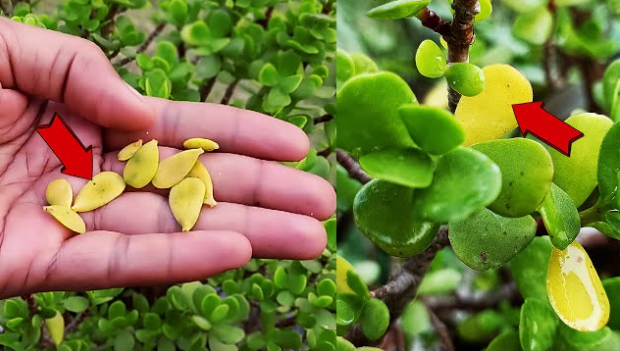
When a Jade Plant's leaves turn pale, they often look dull, washed out, or less vibrant than usual. You might notice that the rich green color has faded, revealing a lighter or even slightly yellowish hue. Sometimes, the leaves may appear soft, wrinkled, or lack the firm, plump appearance characteristic of healthy Jade Plants. Recognizing these visual cues early can help you address problems before they escalate.
Common Causes Overview: Light Issues, Watering Problems, Nutrient Deficiencies, Pests, or Environmental Stress
Several factors can cause pale leaves in Jade Plants, including:
- Inadequate light exposure: Too little or too much direct sunlight can stress the plant.
- Watering issues: Overwatering or underwatering can lead to nutritional imbalances and leaf discoloration.
- Nutrient deficiencies: Lack of essential nutrients, especially nitrogen, can cause pale foliage.
- Pests and diseases: Infestations or infections can weaken the plant and affect leaf color.
- Environmental stress: Sudden temperature changes, drafts, or low humidity can impact overall health. Understanding these causes is the first step toward proper diagnosis and treatment.
Section 2: Diagnosing the Exact Cause
Follow these diagnostic steps to pinpoint why your Jade Plant's leaves are pale.
Cause 1: Insufficient or Excessive Light Exposure
Signs: If your Jade Plant is placed in a spot with insufficient light, its leaves may lose their vibrant color and appear dull or washed out. Conversely, too much direct sunlight can cause leaf scorch, leading to pale or bleached spots. How to tell: Observe the plant's location and the intensity of sunlight it receives. Pale leaves combined with stretched or elongated stems often indicate insufficient light, while scorched patches suggest too much direct sun.
Cause 2: Improper Watering—Overwatering or Underwatering
Signs: Overwatering can cause roots to rot, leading to pale, soft leaves. Underwatering might cause leaves to become shriveled, pale, or yellowish due to dehydration. How to tell: Check the soil moisture. If the soil feels soggy and the plant is exhibiting soft, pale leaves, overwatering is likely. If the soil is dry and leaves are shriveled or pale, underwatering may be the culprit.
Cause 3: Nutrient Deficiencies or Poor Soil Quality
Signs: Pale or yellowish leaves can result from a lack of nitrogen or other essential nutrients. Poor soil drainage and low fertility exacerbate this problem. How to tell: Consider the age of your plant and whether you've been fertilizing regularly. If you haven't fed your Jade Plant in a while, a nutrient deficiency could be causing the discoloration.
How to tell which cause applies to your plant
- Assess light: Is the plant in a bright spot? Is it stretching or leaning toward the light?
- Evaluate watering: Check soil moisture and watering history.
- Examine soil and nutrition: Is the soil well-draining? When was the last time you fertilized?
- Inspect for pests: Look for tiny insects, webbing, or discolored spots that might indicate pests.
Section 3: Treatment Solutions
Implement targeted solutions based on the diagnosed cause to restore your Jade Plant’s health.
Immediate actions: adjusting light, watering correctly, fertilizing
- Optimize light: Move your Jade Plant to a location with bright, indirect sunlight. A south-facing window with sheer curtains is ideal. Avoid harsh, direct midday sun if your plant shows signs of scorch.
- Adjust watering: Water only when the top inch of soil feels dry. Ensure your pot has drainage holes to prevent water accumulation.
- Fertilize appropriately: Use a balanced, water-soluble fertilizer formulated for succulents once a month during the growing season. Avoid over-fertilizing, which can cause stress.
Long-term care plan: proper watering schedule, lighting conditions, soil improvements
- Establish a consistent watering routine: For example, water every 2-3 weeks, adjusting based on season and soil dryness.
- Maintain optimal lighting: Keep the plant in a bright spot with filtered sunlight for at least 4-6 hours daily.
- Enhance soil quality: Repot your Jade Plant into well-draining succulent soil mix containing sand or perlite. This improves drainage and prevents root rot.
Recovery expectations: how quickly you might see improvements
- Initial signs: You may notice new, healthier leaves within 2-4 weeks of proper care.
- Full recovery: With consistent adjustments, your Jade Plant can regain its lush appearance over a few months.
Section 4: Prevention Tips
Take proactive steps to prevent pale leaves in the future.
Optimizing light: placement near bright, indirect sunlight
Position your Jade Plant near a sunny window, ideally with some protection from harsh afternoon sun. If natural light is limited, consider supplementing with grow lights.
Watering routine: consistent watering schedule and proper drainage
Establish a routine that respects the plant’s watering needs—usually every 2-3 weeks—and always ensure the pot drains well to avoid waterlogging.
Soil and fertilization: using well-draining soil and balanced fertilizers
Use a specialized succulent or cactus mix, and fertilize during the active growing season with a balanced fertilizer diluted to half strength.
Environmental factors: maintaining stable temperature and humidity
Keep your Jade Plant in a warm environment, ideally between 65-80°F (18-27°C), and avoid drafts or sudden temperature drops. Low humidity is generally beneficial for succulents.
Conclusion
Summary
Pale leaves in your Jade Plant can often be traced back to issues like improper lighting, watering, or nutritional deficiencies. By carefully diagnosing the root cause and implementing targeted care adjustments, you can restore your plant's vibrant, healthy foliage.
Encouragement
Remember, patience and attentive care are key. Your Jade Plant has a remarkable ability to recover when given the right environment and consistent attention.
Next steps
Review your plant’s current setup, make necessary adjustments, and monitor its progress. With proper care, your Jade Plant will soon regain its lush, green beauty and continue to thrive as a lovely indoor companion.
FAQ
Q: How long until I see improvement after fixing the issue?
A: Typically, you can expect to see initial signs of improvement within 2-4 weeks, such as new healthy leaves and a more vibrant color. Full recovery, especially if leaves have become severely pale or shriveled, may take a few months with consistent care.
Q: Can my Jade Plant fully recover from pale leaves?
A: Yes, with proper diagnosis and care adjustments, most Jade Plants can fully recover. The key is addressing the underlying cause—whether light, watering, or nutrition—and maintaining good overall plant health.
Q: Should I prune the pale leaves or let them fall off naturally?
A: It's best to let pale or damaged leaves fall off naturally. However, if they are clearly dead or diseased, you can prune them with clean scissors to tidy up the plant and encourage new growth. This also helps prevent pest or disease issues.
Taking a little time to understand your Jade Plant's needs and making thoughtful adjustments can make all the difference. Happy gardening!