Struggling with brown tips on your Alocasia? You're not alone—many plant enthusiasts encounter this common issue. The good news is that brown tips are often a sign that your plant needs a little extra care, and with some straightforward adjustments, your Alocasia can bounce back beautifully. This guide will walk you through understanding why brown tips occur, diagnosing the root cause, and implementing simple, effective solutions to restore your plant’s lush, vibrant appearance.
Understanding the Problem
Visual Identification of Brown Tips
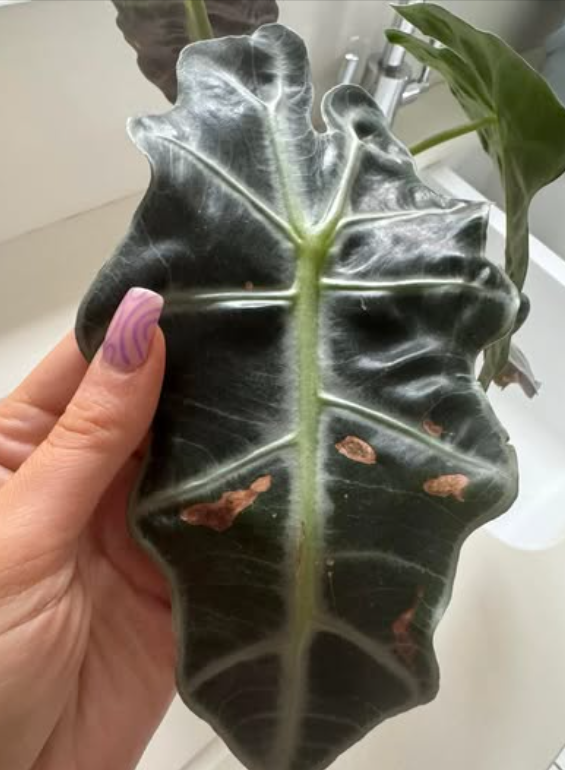
Brown tips on Alocasia leaves are usually dry, crispy, and appear at the very edges or tips of the leaves. Sometimes, the browning may extend inward, affecting larger parts of the leaf, but more often, it starts at the margins. The browning can be light brown or dark brown, and may be accompanied by yellowing or wilting.
Common Causes Overview
Several factors can lead to browning tips on your Alocasia, including:
- Improper watering: Overwatering or underwatering can stress the plant and cause leaf tips to brown.
- Low humidity: Alocasias prefer higher humidity; dry indoor air often leads to crispy tips.
- Nutrient deficiencies or salt build-up: Lack of essential nutrients or excess salts from fertilizers can damage leaf tissues.
- Environmental stress: Drafts, sudden temperature changes, or too much direct sunlight can also cause browning. Understanding these causes is the first step toward fixing the issue effectively.
Diagnosing the Exact Cause
Follow These Steps to Pinpoint the Reason
Proper diagnosis ensures that your treatment targets the root problem rather than just the symptoms.
Cause 1: Overwatering or Poor Drainage
Symptoms: Soggy soil, yellowing leaves, root rot signs. How to tell: Check if the soil feels consistently wet or soggy, and inspect roots for rot or discoloration.
Cause 2: Low Humidity Levels
Symptoms: Crispy leaf tips, especially during dry winter months or in heated indoor environments. How to tell: Measure indoor humidity with a hygrometer. If levels are below 40%, your plant may need more humidity.
Cause 3: Nutrient Deficiency or Salt Build-up
Symptoms: Tips turning brown despite proper watering, stunted growth. How to tell: Consider your fertilization routine. Excess fertilizer can lead to salt accumulation, which damages roots and leaves.
How to Tell Which Cause Applies to Your Plant
- Check soil moisture regularly—dry soil indicates underwatering, soggy soil suggests overwatering.
- Assess humidity levels—if dry air is present, low humidity is likely the culprit.
- Review fertilization habits—over-fertilizing or infrequent feeding can cause nutrient imbalances. Once you identify the cause, you can move on to tailored treatment solutions.
Treatment Solutions
Adjust Watering Habits and Improve Drainage
- Water your Alocasia only when the top inch of soil feels dry. Avoid letting it sit in water.
- Ensure the pot has adequate drainage holes. Use well-draining soil mix containing perlite or coarse sand.
- If the soil is waterlogged, repot your plant into fresh, dry soil and trim any rotting roots.
Increase Humidity Using Humidifiers or Pebble Trays
- Use a humidifier in rooms where your Alocasia is kept to maintain humidity above 50%.
- Create a pebble tray: Place pebbles in a shallow tray, add water just below the pebbles, and set the pot on top. As water evaporates, humidity increases around the plant.
- Group plants together to create a microenvironment with higher humidity.
Flush Soil to Remove Excess Salts and Provide Balanced Fertilization
- Flush the soil with water: Slowly pour room-temperature water until it drains freely to wash away accumulated salts.
- Fertilize appropriately: Use a balanced, diluted fertilizer every 4-6 weeks during the growing season, avoiding overfeeding.
Prune Damaged Leaf Tips and Monitor Recovery
- Trim brown tips with clean, sharp scissors, cutting just outside the brown area to prevent further damage.
- Avoid removing healthy tissue; only trim the affected parts.
- Monitor your plant after treatment, and adjust care routines as needed.
Natural Remedies for Pests or Fungal Issues
- If pests like spider mites or fungal infections are present, misting with neem oil or applying gentle organic fungicides can help.
- Maintain good air circulation and avoid overwatering to prevent fungal problems.
Prevention Tips
Maintain Proper Watering Schedule and Soil Moisture
- Use a moisture meter or simply check soil dryness before watering.
- Stick to a consistent watering routine to avoid stress.
Monitor and Boost Indoor Humidity Levels
- Regularly check humidity levels.
- Use humidifiers, pebble trays, or place plants in naturally humid spots like bathrooms.
Use Appropriate Fertilizers and Avoid Salt Buildup
- Fertilize during active growth phases with diluted, balanced formulas.
- Flush soil periodically to prevent salt accumulation.
Ensure Optimal Lighting and Avoid Drafts
- Place your Alocasia in bright, indirect light.
- Keep it away from cold drafts or direct hot air outputs from heaters or vents.
Regularly Inspect for Pests and Diseases
- Check leaves and soil weekly.
- Address any issues promptly to prevent damage that could cause browning tips.
Conclusion
Recap: Brown tips on Alocasia are a common issue caused by various factors such as improper watering, low humidity, nutrient imbalances, or environmental stress. By accurately diagnosing the cause, you can apply targeted solutions—adjusting watering habits, increasing humidity, proper fertilization, and careful pruning. Encouragement: Remember, with attentive care and patience, your Alocasia can recover and flourish. A little effort goes a long way in keeping your plant healthy and beautiful. Next Steps: Implement the suggested care adjustments, monitor your plant closely, and enjoy the process of nurturing your green companion back to health.
FAQ
Q: How long does it take for brown tips to recover after treatment?
A: Recovery time varies depending on the severity and cause. Typically, you can expect new healthy growth within a few weeks if the root cause is addressed properly. Existing brown tips won't turn green again, but trimming them can help the plant focus energy on healthy leaves.
Q: Can brown tips be trimmed without harming the plant?
A: Yes, trimming brown tips is beneficial as it improves the plant’s appearance and prevents further damage. Use clean, sharp scissors or pruning shears, and cut just outside the brown area to avoid damaging healthy tissue.
Q: Is it safe to use chemical remedies indoors for Alocasia?
A: Generally, organic options like neem oil or insecticidal soap are safer for indoor use. If you opt for chemical treatments, ensure proper dilution, follow manufacturer instructions, and ventilate the area well to minimize exposure.
By following these guidelines, you'll be well-equipped to fix Alocasia brown tips and enjoy a thriving, beautiful plant in your home. Happy gardening!