Quick Summary: Soft, limp leaves in your ZZ plant can be alarming, but often they signal simple issues like overwatering or environmental stress. With some targeted care adjustments, you can revive your plant and bring back its healthy, firm foliage.
Introduction
Noticing your ZZ plant (Zamioculcas zamiifolia) with soft or drooping leaves can be quite stressful. As a plant parent, you’re probably worried about whether your beloved plant is dying or just needing a bit of extra care. Rest assured, soft leaves are usually a sign that your plant is struggling with environmental or watering issues, and the good news is—those problems are often easy to fix. In this article, we’ll explore the common causes of soft leaves in ZZ plants, how to diagnose what’s happening, and practical steps you can take to restore your plant’s health. Whether it’s overwatering, root rot, or inadequate lighting, I’ll guide you through clear, actionable solutions. With a little patience and attentiveness, your ZZ plant can bounce back to thriving, beautiful condition. Let’s get started!
Section 1: Understanding the Problem
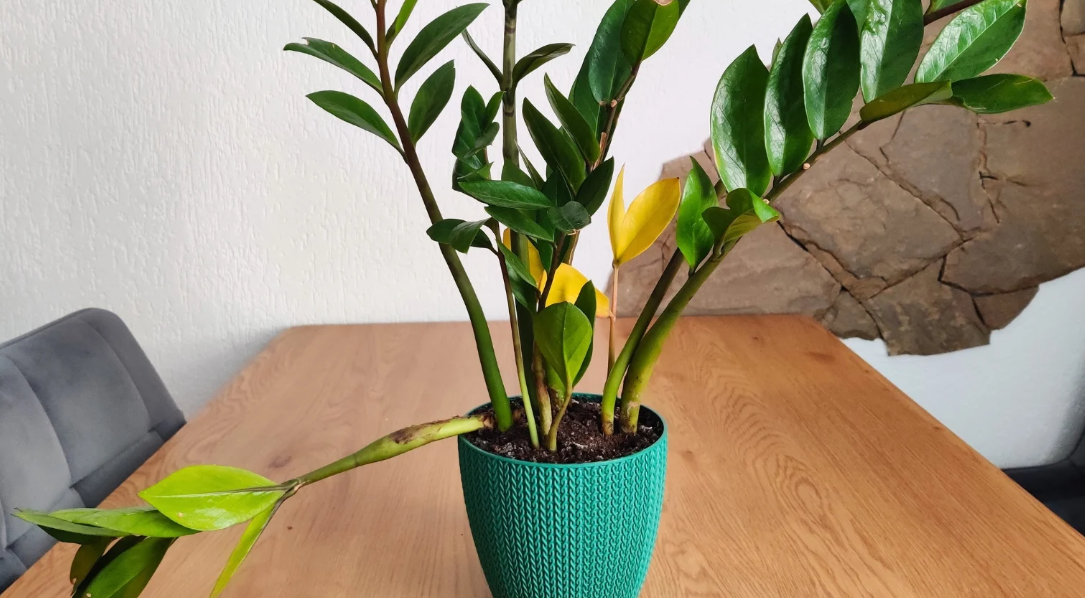
Soft or limp leaves in your ZZ plant are signs that it’s not in optimal health. Healthy ZZ plants have firm, waxy, dark green leaves that stand upright, reflecting robust hydration and good environmental conditions. When leaves become soft, they may feel mushy or droopy, which signals stress or damage.
Visual identification of soft leaves
- Leaves feel limp, flaccid, or floppy
- Slightly translucent or discolored patches
- Some leaves may appear droopy or sagging
- The plant overall may look less vibrant and more stressed
Common causes overview
- Overwatering: The most frequent culprit, leading to root rot and waterlogged soil.
- Root Rot or health issues: Decayed roots cannot supply nutrients or water, resulting in soft leaves.
- Environmental stress: Low light, drafts, or temperature fluctuations can weaken the plant's resilience. Understanding these symptoms helps you determine whether immediate watering changes or more thorough health checks are needed.
Section 2: Diagnosing the Exact Cause
Once you notice your ZZ plant's leaves sagging or feeling soft, begin a gentle investigation:
Cause 1: Overwatering and Poor Drainage
- Check if the soil feels very moist or soggy long after watering.
- Examine the pot for drainage holes—are they blocked or absent?
- Smell the soil—musty odors suggest water retention and potential rot.
Cause 2: Root Rot or Health Issues
- Gently remove your ZZ plant from its pot.
- Carefully loosen the soil and gently pull out the root ball.
- Inspect roots—healthy roots are firm, white, or light brown.
-
Roots affected by rot will be black, brown, mushy, and may emit a foul smell.
-
If you find root rot, proceed with cleaning and pruning.
Cause 3: Environmental Stress
- Assess the lighting: Does the plant get bright, indirect sunlight? Too little light causes weak, soft leaves.
- Check for drafts or temperature swings that may weaken the plant.
- Observe if the plant is near heating or cooling vents.
How to tell causes apart
- Overwatering: leaves soft and the soil wet or waterlogged.
- Root rot: decayed roots upon inspection, accompanied by mushy stems.
- Environmental: soft leaves with healthy roots and dry soil, but poor lighting or drafts. Follow this checklist to accurately diagnose your plant's issues before proceeding with treatment.
Section 3: Treatment Solutions
Once you identify the cause, follow these steps to revive your ZZ plant.
Immediate actions (First 24-48 hours)
- Reduce watering immediately. Allow the soil to dry out completely.
- Remove the plant from its pot to inspect roots.
- Trim away any decayed or mushy roots using sterilized scissors or pruning shears.
-
Apply natural remedies:
-
Sprinkle cinnamon powder on minor root spots as an antifungal (used in small amounts, for minor issues).
- For more serious rot, consider a mild hydrogen peroxide solution (1 part peroxide to 4 parts water) to disinfect roots.
Long-term treatment
- Repot in well-draining soil: Use aroids mix or add sand, perlite, or pumice to improve drainage.
- Use a pot with drainage holes. Never leave your ZZ plant sitting in water.
- Establish a watering schedule:
- Water only when the top inch of soil feels dry.
- During winter, reduce watering frequency to once every 3–4 weeks.
- Avoid over watering. Remember, ZZ plants are drought-tolerant and thrive on neglect!
Environmental adjustments
- Place your ZZ plant in bright, indirect light—near an east- or west-facing window.
- Avoid drafts, sudden temperature drops, or exposure to direct sunlight that can scorch leaves.
- Keep temperatures steady—between 65-75°F (18-24°C)—and maintain moderate humidity.
Monitoring during recovery
- Expect new, firm leaves to start emerging in a few weeks.
- Signs of improvement: leaves regain firmness, color brightens, and overall vigor returns.
- If symptoms persist or worsen after two weeks, consider consulting a local plant expert or applying fungicide.
Section 4: Prevention Tips
Prevention is your best friend in keeping your ZZ plant happy and healthy:
- Establish a consistent watering routine: Check moisture levels before watering; aim for every 2-3 weeks.
- Ensure proper drainage: Use pots with drainage holes and loose, well-draining soil.
- Optimize lighting conditions: Place your plant in bright, indirect sunlight for at least 4-6 hours daily.
- Maintain suitable humidity and temperature: Avoid cold drafts and keep temps steady.
- Regular inspection: Look for pest issues, fungal spots, or stress symptoms every few weeks, so problems are caught early. These habits help prevent future soft leaf issues and keep your ZZ plant thriving.
Frequently Asked Questions
Q: How long does it take for a ZZ plant to recover from soft leaves?
A: Typically, you’ll see signs of recovery within 2-4 weeks—new, firm leaves emerging and improved appearance. Complete revival can take up to two months, depending on severity.
Q: Can I cut off soft or damaged leaves?
A: Yes, prune any limp or rotting leaves using sterilized scissors. Removing damaged parts encourages new growth and keeps the plant healthy.
Q: How often should I water my ZZ plant to prevent overwatering?
A: Water only when the top inch of soil feels dry, approximately every 2-3 weeks. In winter, reduce frequency further. Always check soil moisture before watering.
Conclusion
Key Takeaways:
- Soft leaves in your ZZ plant usually indicate overwatering, root rot, or environmental stress.
- Diagnose carefully by inspecting roots, soil, and lighting conditions.
- Apply targeted treatments: reduce watering, prune damaged roots, repot with proper drainage, and adjust environmental factors.
- Prevent future issues by establishing a consistent watering schedule and ensuring optimal light and soil conditions. Remember, with patience and attentive care, your ZZ plant can recover from soft leaves and flourish again. Start with diagnosis, follow through with gentle treatment, and soon you'll enjoy a lush, vibrant indoor garden!
Your plant’s health is worth the effort—happy gardening!