Introduction
Noticing tiny, shimmering pests on your Philodendron can be worrying, especially if you're invested in keeping your indoor garden vibrant and healthy. But don't worry—you’re not alone. Thrips are a common pest that can appear on various houseplants, including your beloved Philodendron. The good news is that with a little patience and the right approach, you can effectively eliminate these pests and restore your plant’s health.
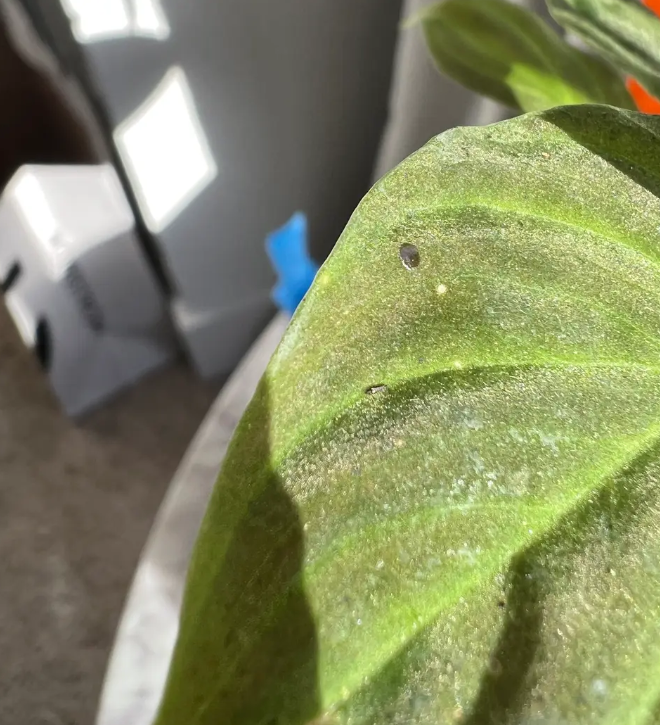
This guide will walk you through how to identify thrips, diagnose the extent of the infestation, employ effective treatment strategies, and implement prevention tips to keep your plant pest-free long-term. Think of it as a friendly hand from a plant expert to help you care for your green friends. Let’s get started!
Section 1: Understanding the Problem
Visual identification of thrips
Thrips are tiny insects, usually just 1 to 2 millimeters long, with slender bodies and wings that resemble fringed or sail-like structures. They often shimmer with metallic hues—silver, gold, or light brown. When you inspect your Philodendron's leaves closely, you might notice:
- Tiny insects crawling or flying around
- Silvery or stippled patches on leaves where thrips have fed
- Black specks (flea dirt) on the leaves, which are their droppings
Common causes overview
Thrips are opportunistic pests that thrive under certain conditions:
- Overwatering or poor drainage can cause stress, making plants more susceptible.
- Dry air creates an environment conducive to thrips.
- Introducing infested plants or cuttings from elsewhere can transfer pests unknowingly.
- Environmental stress such as rapid temperature fluctuations or low humidity can weaken your Philodendron's defenses. Understanding these causes can help you both eliminate current problems and prevent future infestations.
Section 2: Diagnosing the Exact Cause
How to confirm thrips infestation and differentiate from other issues
Diagnosing correctly is crucial for effective treatment. Follow these steps:
- Examine the leaves carefully under good lighting, looking for tiny, moving insects or shimmering streaks.
- Check for leaf damage such as silvery stippling, distorted growth, or black specks.
- Look for signs of environmental stress, like dry, crispy leaf edges or irregular watering patterns.
Key signs to distinguish thrips from other pests:
- Thrips feed by rasping the surface of leaves and stems, causing stippling or silvery patches.
- Unlike spider mites, thrips are mobile and can fly, so you might see them fluttering just above the plant or around the soil.
- Other pests like aphids or scale typically appear as clustered bumps, whereas thrips are slender and agile.
Section 3: Treatment Solutions
Immediate actions
Once you've confirmed thrips on your Philodendron:
- Isolate the plant immediately to prevent spreading to other houseplants.
- Remove heavily infested leaves or stems with scissors or tweezers, especially those with severe damage.
- Apply insecticidal soap or neem oil spray:
- Mix according to product instructions.
- Thoroughly spray all surfaces, including undersides of leaves and stems.
- Repeat every 3–4 days for at least two weeks to catch new hatchlings.
Long-term treatment plan
- Repeat treatments regularly: Consistency is key, as thrips reproduce rapidly.
- Increase humidity: Thrips prefer dry environments. Using a humidifier or misting your Philodendron can make conditions less friendly for them.
- Manual removal: Wipe affected leaves with alcohol-soaked cotton swabs or alcohol wipes to kill pests directly.
- Introduce natural predators: For severe infestations, you can consider beneficial insects like predatory thrips or lacewing larvae if your environment allows.
Monitoring recovery
- Watch for a decline in insect activity.
- Notice healthier, more vibrant leaves with reduced stippling.
- Continue treatment until pest signs are completely gone to prevent recurrence.
Section 4: Prevention Tips
Care routine adjustments
- Regularly inspect your plants: Daily checks help catch problems early.
- Maintain proper watering: Avoid overwatering; keep soil moist but not soggy.
- Optimize humidity: Aim for 50-70% humidity to discourage thrips.
- Clean leaves periodically: Gently wipe leaves with a damp cloth to remove dust and pests.
Environmental factors to monitor
- Avoid dry air: Use humidifiers or misting as needed.
- Be cautious when adding new plants: Quarantine new additions to ensure they are pest-free.
- Control fertilization: Over-fertilizing can encourage pest outbreaks; follow recommended feeding schedules.
Conclusion
Dealing with thrips on your Philodendron might seem daunting at first, but with prompt identification, consistent treatment, and good care practices, you can effectively eliminate these pests. The key lies in early detection and regular plant monitoring. Remember, most thrip problems are manageable with patience and persistence. Don’t be discouraged—your Philodendron can recover and flourish with your dedicated care. Start treatment today, keep a close eye on your plant, and follow the preventative tips outlined here to enjoy a healthy, pest-free indoor garden.
FAQ
Q: How long until I see improvement after treatment?
A: Typically, noticeable improvement occurs within a week of starting treatment. You should see fewer pests, less leaf stippling, and healthier new growth. Continue treatments every 3–4 days until signs of thrips are gone, which can take up to 2-3 weeks depending on the severity.
Q: Can my Philodendron fully recover from a severe thrips infestation?
A: Yes, with consistent treatment and improved care, most Philodendrons can fully recover from severe thrips infestations. Patience is essential. If some parts are heavily damaged, pruning and proper ongoing care can help stimulate new growth and restore your plant’s vitality.
Q: Should I prune heavily damaged leaves or stems?
A: Absolutely. Removing heavily infested or damaged leaves helps reduce pest populations and prevents further spread. Use clean, sharp scissors to make clean cuts, and dispose of the removal properly to avoid re-infestation.
With the right approach, your Philodendron will once again thrive in your indoor space. Happy gardening!