Noticing yellow leaves on your Aloe Vera can be worrying, especially when you’ve invested time and care into your beloved plant. But don’t worry—you’re not alone. Many indoor plant enthusiasts encounter this issue at some point, and often, the cause is simple to identify and fix. With a little attention and some adjustments, your Aloe Vera can bounce back and thrive once again.
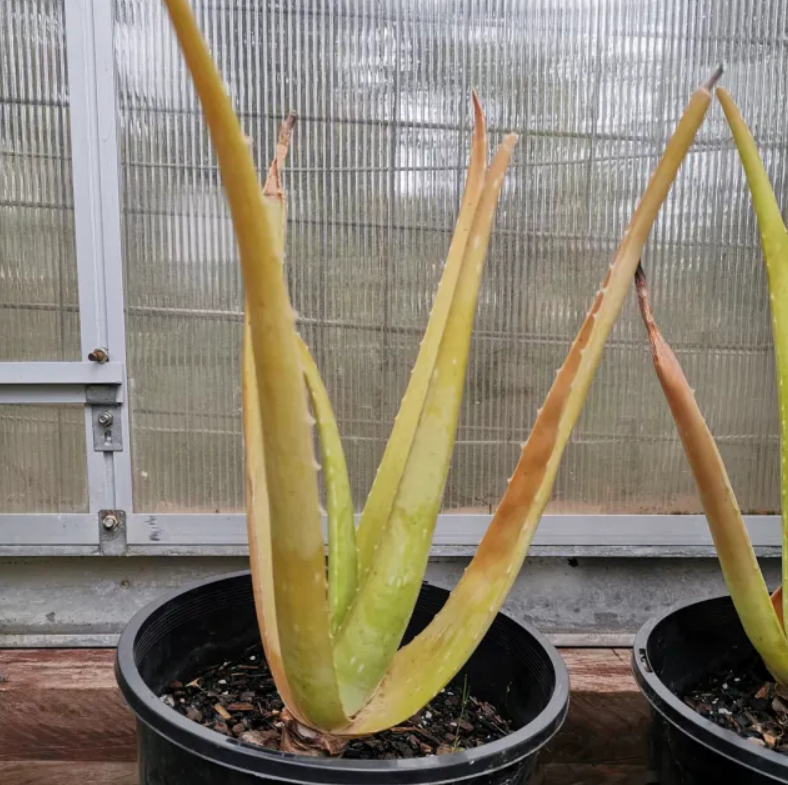
This guide will help you understand why your Aloe Vera’s leaves are turning yellow, diagnose the root cause, and provide practical solutions to rejuvenate your plant. Remember, most problems are easily addressed with the right care, so stay positive—your Aloe Vera’s health can be restored!
Section 1: Understanding the Problem
Yellow leaves on Aloe Vera are a common sign that something may be off with your plant’s environment or care routine. Recognizing the signs early can help you take prompt action and prevent further problems.
Visual Identification: Spotting Yellowing Leaves and Their Characteristics
Aloe Vera leaves typically have a vibrant green hue. When they turn yellow, they often appear dull or faded, sometimes with browning tips or edges. The yellowing might start at the base or spread across the leaf. Sometimes, the leaves become soft or mushy, indicating possible overwatering, or dry and brittle if underwatered.
Common Causes Overview: Overwatering, Underwatering, Improper Light, Nutrient Deficiencies
There are several common causes for yellow leaves in Aloe Vera:
- Overwatering: Excess water can lead to root rot, preventing roots from absorbing nutrients and causing leaves to turn yellow.
- Underwatering: Insufficient water dehydrates the plant, leading to yellowing and wilting.
- Improper Light: Too much direct sunlight can scorch the leaves, while too little light causes poor growth and yellowing.
- Nutrient Deficiencies: Lack of essential nutrients, especially nitrogen, can result in yellowing leaves. Understanding the exact cause requires careful observation and diagnosis, which we will explore next.
Section 2: Diagnosing the Exact Cause
Correct diagnosis is key to effective treatment. Follow these steps to identify what's causing the yellow leaves on your Aloe Vera.
Cause 1: Overwatering — Signs and How to Confirm
Signs: Soft, mushy leaves, especially at the base, sometimes accompanied by a foul smell due to root rot. The soil feels overly wet and may even be moldy. How to confirm: Gently remove the plant from its pot and examine the roots. Healthy roots are white or light tan and firm. Rotten roots are dark, slimy, and foul-smelling.
Cause 2: Too Much Direct Sunlight or Improper Lighting
Signs: Leaves may develop brown, scorched patches, or yellowing edges. Conversely, insufficient light can cause pale, dull leaves with slow growth. How to confirm: Check your plant’s location. Is it exposed to direct sunlight for many hours? Or is it in a dim corner? Aloe Vera thrives in bright, indirect sunlight but needs some protection from the harsh midday sun.
Cause 3: Lack of Nutrients or Poor Soil Drainage
Signs: Overall pale or yellowish leaves, slow growth, or leaf tips turning brown. How to confirm: Consider the soil quality. Is it well-draining? Has it been used for a long time without fertilization? Aloe Vera prefers sandy or cactus soil with good drainage.
How to Tell Which Cause Applies to Your Plant
Assess your plant’s environment and recent care routine:
- Check soil moisture levels.
- Observe sunlight exposure.
- Evaluate your fertilization routine.
- Examine the roots if you suspect overwatering. Matching these signs to the causes above will help determine the main issue.
Section 3: Treatment Solutions
Once you’ve diagnosed the problem, implement targeted fixes to help your Aloe Vera recover.
Immediate Actions
- Adjust Watering Schedule: If overwatered, let the soil dry out completely before watering again. For underwatered plants, water thoroughly but infrequently.
- Relocate Your Plant: Move your Aloe Vera to a more suitable spot—ideally, bright, indirect sunlight.
- Remove Damaged Leaves: Carefully prune yellow or brown leaves with sterilized scissors. Removing damaged foliage helps the plant focus energy on new growth.
Long-term Care
- Improve Soil Drainage: Use a cactus or succulent mix that drains quickly. You can also add sand or perlite to enhance drainage.
- Fertilize Appropriately: During the growing season (spring and summer), feed your Aloe Vera with a diluted cactus or succulent fertilizer once a month.
- Optimize Light Conditions: Place your Aloe Vera where it gets at least 6 hours of bright, indirect sunlight daily.
What to Expect During Recovery
Recovery timelines vary. If the issue was mild, you might see signs of improvement within a few weeks—new, healthy leaves and greener color. In case of severe root rot, it may take longer, and some damaged leaves might not recover. Patience and consistent care are essential.
Section 4: Prevention Tips
Prevention is always better than cure. Establishing good care routines can help prevent yellow leaves from recurring.
Care Routine Adjustments
- Watering Frequency: Water only when the top inch of soil feels dry. In summer, this might be every 2-3 weeks; in winter, less often.
- Fertilization Schedule: Fertilize during the active growing season, about once a month, with a balanced, diluted fertilizer.
Environmental Factors
- Ensure Proper Lighting: Aim for bright, indirect sunlight. Use sheer curtains if direct sunlight is too intense.
- Avoid Overexposure: Protect your Aloe Vera from scorching afternoon sun, especially if indoors near south-facing windows.
- Maintain Suitable Humidity: Aloe Vera prefers dry environments. Avoid placing it in overly humid areas like bathrooms.
Conclusion
Summary of Key Points
- Identifying why your Aloe Vera has yellow leaves involves observing signs and environmental conditions.
- The main causes include overwatering, underwatering, improper lighting, and nutrient deficiencies.
- Diagnose the cause carefully, then apply targeted solutions such as adjusting watering habits, relocating the plant, improving soil drainage, and providing optimal light and nutrients.
- With attentive care, your Aloe Vera can recover and regain its vibrant health.
Encouragement
Remember, most issues with Aloe Vera are easily fixable. Don’t be discouraged—your plant’s health is within your control! With consistent, thoughtful care, your Aloe Vera can thrive once again and continue to beautify your indoor space.
Next Steps
Begin by carefully diagnosing your plant’s specific problem. Once you know what’s causing the yellow leaves, follow the recommended solutions to restore its vitality. Patience and proper care will help your Aloe Vera flourish anew!
FAQ
Q: How long until I see improvement after correcting watering?
A: Typically, you may start noticing signs of recovery within a few weeks. New, healthy leaves should emerge, and the existing yellowing leaves may gradually turn green or die back. Patience is key—consistent care ensures the best results.
Q: Can yellow leaves turn green again?
A: If the yellowing is caught early and caused by reversible issues like overwatering or poor light, some leaves may regain their green color. However, severely damaged or dead leaves usually won’t recover and should be pruned to promote healthy new growth.
Q: Should I prune all the yellow leaves or leave them to help the plant recover?
A: It’s best to prune completely yellow or brown leaves with sterilized scissors. Removing damaged leaves allows the plant to focus energy on healthy growth and improves its overall appearance. Avoid removing too many at once—leave some green leaves for ongoing photosynthesis.