Ever wondered how to multiply your beautiful String of Pearls effortlessly? Whether you’re a beginner plant parent or an experienced enthusiast, propagating this trendy succulent can seem daunting at first. But good news—propagation in water is a simple, rewarding method that allows you to see root growth firsthand and gives your plant a fresh start. In this complete guide, I’ll walk you through every step, from choosing healthy cuttings to troubleshooting common issues, ensuring you can confidently expand your collection and keep your String of Pearls happy and healthy.
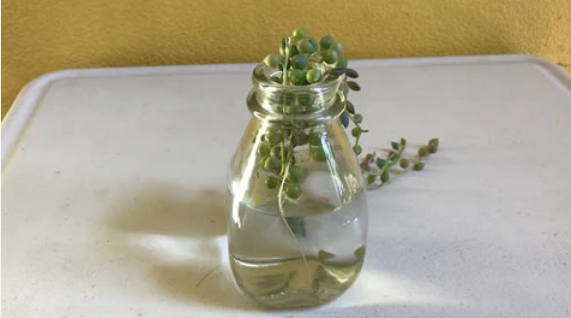
With patience and the right technique, you’ll soon have more of these charming plants to enjoy, gift, or even trade with fellow plant lovers. Let’s dive into the world of propagating String of Pearls in water!
Understanding the Propagation Process
Before sticking your plant in water, it’s essential to understand why this method works well for String of Pearls and how to identify the best cuttings.
Visual Identification of Healthy Cuttings
Look for stems that are firm, plump, and free from pests or diseases. Healthy stems should have multiple nodes—the small bumps along the stem from where roots will emerge. Avoid stems that are shriveled, mushy, or showing signs of rot, as these are less likely to root successfully.
Benefits of Water Propagation vs. Soil
Water propagation allows you to visually monitor root development, making it easier to identify when roots are ready for transplanting. It also reduces the risk of overwatering, which can cause rot in the early stages. Many plant growers find water propagation particularly suitable for String of Pearls because it speeds up root formation and minimizes soil-related issues.
Ideal Time to Take Cuttings
The best time to propagate is during the plant’s active growing season, typically spring and early summer. During this period, the plant’s energy is focused on root and shoot development, making it more receptive to propagation.
How to Propagate String of Pearls in Water
Now that you understand the basics, let’s move on to the practical steps for propagating your String of Pearls successfully.
Step 1: Select Healthy Stems with Nodes
Choose several healthy stems that have at least 2-3 nodes. These nodes are critical—they’re where new roots will grow. Use clean, sharp scissors or pruning shears to keep cuts neat and prevent damage.
Step 2: Cutting Techniques for Best Results
- Make a clean cut just below a node.
- Remove any leaves or pearls near the cut to prevent them from rotting in water.
- If the stem is long, you can cut it into smaller segments, each with a few nodes.
Step 3: Preparing the Water and Container
- Fill a clear glass or jar with room temperature, filtered or distilled water. Avoid tap water if it’s heavily chlorinated—distilled or rainwater is ideal.
- Place the cuttings in the water, ensuring at least one or two nodes are submerged.
- Keep the container in a warm, bright location but out of direct sunlight to prevent stress on the cuttings.
Step 4: Placement and Care During Rooting
- Change the water every 3-4 days to keep it fresh and oxygenated.
- Observe the cuttings regularly for signs of root growth and health.
- Keep the environment humid and stable; avoid placing the container near drafts or temperature extremes.
Step 5: Signs of Successful Rooting
Within 2-6 weeks, you should see small roots emerging from the nodes. Roots can vary in length but generally should be at least an inch long before transplanting into soil. Be patient—root development can sometimes take longer depending on conditions.
Troubleshooting Common Issues
Propagation is not always flawless. Here’s how to address common problems:
Roots Not Developing or Rotting
- Problem: Roots fail to form, or existing roots become mushy.
- Solution: Ensure water is changed frequently, and the cuttings are not submerged too deeply. Use filtered water and keep the environment warm.
Leaves Turning Yellow or Mushy
- Problem: Leaves near the cut are yellowing or soft.
- Solution: Remove affected leaves, and avoid overexposure to direct sunlight or overwatering. Ensure the water level only covers the nodes, not the leaves.
Cuttings Drying Out or Failing to Root
- Problem: The cutting shrivels and dies.
- Solution: Make sure your cuttings are healthy before propagating, keep them in a warm, bright place, and maintain high humidity during rooting.
Preventing Rot with Proper Water and Handling
- Always use clean tools and containers.
- Change the water regularly.
- Remove any decaying plant material promptly.
Aftercare and Transplanting
Once the roots are at least an inch long, it’s time to transplant your String of Pearls into soil.
Transitioning from Water to Soil
- Prepare a well-draining succulent mix, ideally composed of cactus soil, perlite, and sand.
- Gently plant the rooted cuttings into pots with drainage holes.
- Water lightly after planting and gradually increase watering frequency as the plant establishes.
Choosing the Right Soil and Pot
Pick a pot with drainage and use soil that drains quickly—this mimics the plant’s native environment and prevents rot.
Watering and Light Needs
- Water only when the top inch of soil feels dry.
- Place the plant in bright, indirect light to encourage healthy growth.
Ongoing Care Tips
- Fertilize with a diluted succulent fertilizer during the growing season.
- Rotate the pot regularly for even growth.
- Watch for pests like mealybugs or spider mites and treat promptly.
Section 5: Prevention and Tips for Success
Here are some essential tips to ensure your propagation efforts lead to healthy, thriving plants:
Maintaining Optimal Water Conditions
- Use filtered or distilled water when propagating.
- Change the water regularly to prevent bacterial growth.
Proper Stem Cutting Techniques
- Always use sharp scissors to make clean cuts.
- Take cuttings from healthy, vigorous stems.
Avoiding Overwatering or Rot
- Keep water levels just covering the nodes.
- Do not leave cuttings in water too long after roots have developed.
Using Rooting Hormones (Optional)
While not strictly necessary, applying a rooting hormone powder to the cut ends can sometimes enhance root development, especially if your cuttings are struggling.
Conclusion
Propagating String of Pearls in water is a satisfying process that combines patience with a touch of botanical skill. By selecting healthy cuttings, providing the right environment, and monitoring progress, you’ll be able to multiply your beloved plant with confidence. Remember, patience is key—roots may take several weeks to appear, but every rooting success is a rewarding step in your plant-growing journey. Don’t worry—plant propagation is a rewarding experience that gets easier with practice! So, gather your tools, snip some stems, and start your propagation adventure today. Watching your String of Pearls grow will bring joy and pride, and soon, you’ll have a flourishing collection to showcase indoors.
FAQ
Q: How long does it take for roots to appear?
A: Typically, roots start to develop within 2-6 weeks. Patience is essential, as environmental factors like temperature, light, and water quality can influence rooting speed.
Q: Can I propagate from a single leaf or stem?
A: String of Pearls propagates best from stem cuttings with nodes. Single leaves are generally not effective for propagation because they lack the necessary nodes to develop roots.
Q: What if my roots rot or fail to develop?
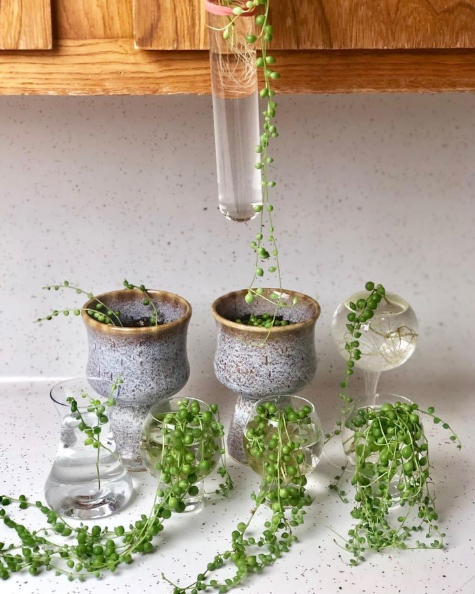
A: Rots usually occur due to overwatering or poor water quality. Ensure you change the water regularly, use filtered water, and keep the cuttings in a warm, bright spot. Remove any rotted material immediately and try again with new, healthy cuttings.
Embark on your String of Pearls propagation journey today and enjoy the lush, trailing beauty of your expanding plant family!