Quick Summary: Sticky leaves on your Pothos are common and usually caused by pests, honeydew secretion, or fungal issues. With targeted care and good practices, you can fix the problem and bring your plant back to lush health.
Introduction
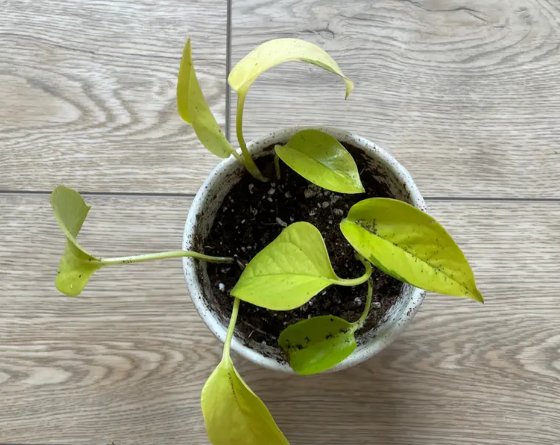
Noticing sticky, shiny leaves on your Pothos can be worrying, especially when you cherish your houseplants and want them to thrive. It’s natural to feel concerned—after all, any strange growth or residue might seem like trouble. But rest assured, this issue is often manageable with simple steps. Sticky leaves are typically caused by pests, natural plant secretions like honeydew, or environmental factors such as fungal growth. The good news? Most of these issues are treatable, and your Pothos can recover beautifully with a bit of attention. In this guide, we'll break down why your Pothos has sticky leaves, how to accurately diagnose the cause, and what effective treatments you can apply. Whether it’s pests sneaking around or natural secretions, you'll find clear instructions to restore your plant’s health. Remember, with patience and consistent care, your Pothos can bounce back to its vibrant, lush self—so don’t worry, you're not alone in this!
Section 1: Understanding the Problem
Sticky, sticky-feeling leaves on your Pothos are usually a sign that something isn’t quite right—yet they are often easily remedied. Recognizing the cause is key to choosing the right solution.
Visual identification of sticky leaves
- The leaves feel slippery or greasy when touched
- A shiny surface might appear on the leaf or stem
- Residue may leave a glaze after wiping with a cloth
- Sometimes, you may notice black or brown mold or spots around the sticky area
Common causes overview
- Pest infestations: Scale insects, mealybugs, or aphids feed on plant sap, secreting honeydew—A sticky, sugary substance
- Honeydew secretion: A natural byproduct of sap-sucking insects or other pests
- Fungal or bacterial issues: Certain fungi produce a sticky coating, often accompanied by mold or discoloration Understanding which of these might be affecting your plant guides effective treatment. Many plant parents initially panic, thinking their plant is ill, but often, the culprit is harmless or easy to treat.
Section 2: Diagnosing the Exact Cause
To fix sticky leaves, you need to identify whether pests, honeydew, or fungal issues are to blame. Use this step-by-step checklist:
Cause 1: Pest infestation (scale insects, mealybugs, aphids)
- Signs: Small, oval-shaped insects stuck to stems or undersides of leaves; white, cottony, or shell-like appearances
- How to confirm: Carefully examine the stems and leaf undersides with a hand lens or by gently scraping surface areas
- Why it happens: These pests suck the sap from your Pothos, weakening it and producing honeydew as a waste product
Cause 2: Honeydew secretion from sap-sucking insects
- Signs: Shiny, sticky residue on leaves and stems without visible pests; black sooty mold developing on the surface
- How to confirm: Wipe the residue with a damp cloth—if it’s sticky and leaves a smear or smear persists without bugs, honeydew is likely
- Why it happens: Insects like scale or aphids secrete honeydew, which promotes mold growth and creates the sticky surface
Cause 3: Fungal or bacterial surface issues
- Signs: Sticky residue combined with moldy spots, discoloration, or fuzzy growth
- How to confirm: Inspect the affected leaves for mold or unusual coloration
- Why it happens: Excess humidity, poor air circulation, or overwatering can encourage fungal growth on leaves
How to tell which cause applies
- Inspect closely: Look for small insects or shells
- Check the residue: Is it sticky and clear, or is there black mold?
- Note plant location: Humid areas favor fungal issues; crowded spaces promote pest spread This careful observation helps determine whether you’re dealing with pests, honeydew, or fungi, so your treatment is precise and effective.
Section 3: Treatment Solutions
Once you’ve identified the cause, you can take targeted action. Here’s how to address each situation:
Immediate actions (First 24-48 hours)
- Isolate the plant: Keep it away from other houseplants to prevent pests from spreading
- Gently wipe the leaves: Use a soft, damp cloth or sponge to remove sticky residue and any visible pests
- Inspect thoroughly: Remove visible pests manually using tweezers or a toothbrush dipped in alcohol (for scale or mealybugs)
Natural remedies
- Insecticidal soap or neem oil spray:
- Mix according to label instructions
- Spray on all surfaces of the plant
- Reapply every 5-7 days until pests are gone
- Tip: Always test a small area first to avoid leaf damage
- Hydrogen peroxide solution (for severe infestations):
- Mix 1 part 3% hydrogen peroxide with 4 parts water
- Spray lightly on affected leaves to kill pests and fungus
- Use weekly until issues resolve
Chemical solutions
- Horticultural oils or systemic insecticides:
- Use as a last resort for stubborn pests
- Follow manufacturer instructions carefully
- Apply in the early morning or late evening to prevent leaf burn
Fungal or mold issues
- Prune affected leaves:
- Cut away moldy or discolored leaves with sterilized scissors
- Apply fungicide if fungal growth persists—choose an organic or chemical fungicide compatible with houseplants
- Improve air circulation:
- Use a fan or reposition your Pothos to a well-ventilated spot
- Reduce humidity if possible
Long-term care
- Maintain proper watering: Water only when the top inch of soil feels dry—overwatering invites pests and fungi
- Avoid over-fertilizing: Too much fertilizer can cause excess sap and sticky conditions
- Regular inspection: Catch issues early before they escalate
Recovery timeline
- Expect to see a reduction in sticky residue within 1 week of treatment
- Healthy new leaves should emerge within 2-4 weeks
- Persistent or severe infestations may require multiple treatments over several weeks Remember: Patience and consistency are your best allies in healing your Pothos.
Section 4: Prevention Tips
Prevention is always better than cure! Adopt these easy habits to keep your Pothos free of sticky leaves:
- Regular inspection: Check your plant weekly for early signs of pests or residues, catching problems before they escalate
- Maintain proper watering: Water only when the topsoil feels dry to prevent excess sap and discourage pests
- Use natural pest barriers: Apply neem oil spray monthly as a preventive measure, especially if pests have been a recurring problem
- Improve airflow and humidity control: Ensure your plant isn’t overcrowded; use fans or open windows to keep air circulating and leaves dry
- Quarantine new plants: Before merging new Pothos or other houseplants with your collection, inspect and treat them if needed to prevent introducing pests or diseases By adopting these proactive steps, you significantly reduce the chances of sticky leaves returning and help keep your Pothos happy and healthy.
Frequently Asked Questions
Q: How long until I see improvement after treatment?
A: Most pests and residue start to diminish within 1 week of consistent treatment. Complete recovery, including new healthy leaves, may take 2-4 weeks.
Q: Can my Pothos fully recover from sticky leaf issues?
A: Yes! With proper diagnosis and dedicated treatment, Pothos can bounce back to full health. Keep monitoring and caring for your plant properly.
Q: Should I prune or remove heavily affected leaves?
A: It’s a good idea to prune heavily infested or moldy leaves to prevent spreading. Use sterilized scissors and dispose of the clippings away from your plants.
Conclusion
Key Takeaways:
- Sticky leaves on your Pothos are often caused by pests, honeydew, or fungal issues
- Correct diagnosis involves careful inspection for insects, mold, and residue
- Targeted treatments like neem oil, insecticidal soap, and good hygiene can eliminate the problem
- Preventative habits—like regular checks, proper watering, and good airflow—keep your plant thriving Remember, you’re doing a great job caring for your Pothos. With patience and consistent effort, your plant can recover from sticky leaves and continue to brighten up your home. Start with an inspection today, choose the appropriate treatment, and implement prevention practices—your lush, happy Pothos awaits!