Noticing sticky leaves on your String of Pearls can be concerning—don't worry, you're not alone! This common issue can be caused by several factors, but with a little patience and the right care, you can restore your plant to health and keep it thriving. In this comprehensive guide, we'll explore why your String of Pearls has sticky leaves, how to diagnose the problem, effective treatment methods, and simple prevention tips. Most importantly, remember that most sticky leaf issues are manageable, and your plant can recover beautifully with consistent attentive care.
Section 1: Understanding the Problem
Visual Identification
Before jumping into treatment, it's essential to recognize what sticky leaves look like. Typically, you’ll notice:
- A glossy, shiny, or sticky film on the surface of the leaves
- Sometimes, a faint or visible sticky residue that feels tacky to the touch
- The presence of a sticky sheen, especially on the upper parts of the plant where sunlight hits
Common Causes Overview
Several factors can lead to sticky leaves on your String of Pearls:
- Pest secretions: Sap-sucking insects such as mealybugs, scale insects, or aphids excrete a sticky, sugary substance called honeydew.
- Honeydew from pests: This sweet excretion often encourages mold or sooty mold growth on the plant.
- Plant exudates due to stress: Sometimes, environmental stress or excessive fertilization causes the plant to produce resin or similar secretions.
Understanding these causes will help you identify the root of the problem more effectively, leading to targeted solutions.
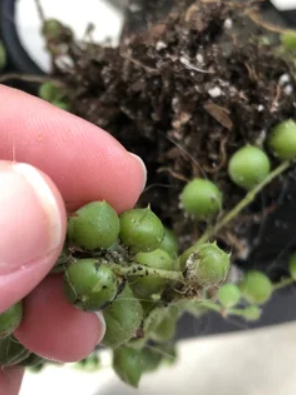
Section 2: Diagnosing the Exact Cause
Follow a Step-by-Step Process
To know how to fix String of Pearls sticky leaves effectively, you need to diagnose the specific cause of the issue.
Cause 1: Sap-sucking pests like mealybugs, scale insects, or aphids
- Look for tiny insects or eggs: These pests may appear as small, soft, or armored bodies on the undersides of leaves or along the stems.
- Signs: White cottony spots (mealybugs), brown shell-like coverings (scale), or greenish insects (aphids).
Cause 2: Honeydew excreted by pests
- Observation: Sticky residue often accompanied by blackish or grayish mold called sooty mold, which thrives on honeydew.
- How to spot: Check under leaves and along the stems; the honeydew appears as a shiny, sticky layer.
Cause 3: Excessive fertilization or environmental stress causing plant to secrete resin
- Signs: Sticky deposits unexpectedly appearing, especially after fertilization or environmental changes such as temperature stress.
How to tell which one it is:
- Inspect leaves carefully: Use a magnifying glass if needed to look for pests or eggs.
- Observe overall plant health: Yellowing, wilting, or stunted growth indicates stress—possibly linked to fertilization or watering issues.
Section 3: Treatment Solutions
Immediate Actions
Once you've identified the cause, implement these quick remedies:
- Gently wipe leaves with a damp cloth: This removes surface residue and makes further treatment easier.
- Use insecticidal soap or neem oil: For pest control, spray the affected areas thoroughly, targeting pests and their eggs. Apply in the early morning or late afternoon to avoid leaf burn. Repeat every 7-10 days as needed.
Long-term Treatment Plan
- Regular inspection: Frequently check your plant for pests or sticky residue to catch problems early.
- Adjust watering and fertilization: Avoid overwatering and excessive feeding, both of which stress the plant and may encourage pest attraction or resin secretion.
- Enhance airflow: Ensure good ventilation around your plant to prevent mold growth and discourage pests.
Recovery Expectations
With consistent care:
- The sticky residue should gradually decrease or disappear.
- Leaves will shed the sticky film naturally.
- Your String of Pearls will regain its vibrant, healthy appearance over time.
Section 4: Prevention Tips
Prevention is key to maintaining a healthy and pest-free String of Pearls.
Care Routine Adjustments
- Consistent watering: Water only when the top inch of soil is dry to prevent stress.
- Avoid over-fertilization: Use a balanced succulent fertilizer sparingly, especially during winter.
- Clean leaves periodically: Wipe down your plant’s leaves to remove dust and potential pests.
Environmental Factors to Monitor
- Maintain suitable humidity and airflow: Keep your plant in a well-ventilated space with moderate humidity.
- Isolate new plants: Quarantine any newcomers for a few weeks to prevent pests from spreading to your existing plant.
Conclusion
Sticky leaves on your String of Pearls are typically caused by pests or environmental stress, but with proper identification and prompt action, your plant can recover and flourish. Keep observing your plant carefully, treat any pests swiftly, and adopt preventive care practices to avoid recurrence. Remember, caring for your plant is a rewarding journey—your efforts will lead to a healthy, vibrant String of Pearls that adds beauty to your indoor space.
FAQ
Q: How long until I see improvement after treatment?
A: Usually, you should notice a reduction in stickiness within a week of consistent pest treatment. Complete recovery, including the shedding of residual residue, can take a few weeks depending on the severity of the issue and your care routine.
Q: Will my plant fully recover from sticky leaves?
A: Yes, most plants recover fully once pests are eradicated and proper care is maintained. Leaves affected by pests might not regain their original appearance, but new growth will be healthy and free of stickiness.
Q: Should I prune parts of the plant affected by pests or sticky residue?
A: If certain stems or leaves are heavily infested or damaged, pruning can help prevent pests from spreading and encourage new healthy growth. Use clean, sharp scissors, and dispose of pruned material carefully to avoid pest spread.
Remember: Your care, patience, and attention are the keys to helping your String of Pearls recover from sticky leaves. Happy gardening!