Quick Summary: Drooping leaves on your Monstera deliciosa can be alarming, but often it's a sign that your plant needs a little care adjustment. By identifying the cause—whether overwatering, underwatering, low humidity, or root issues—you can restore your plant’s health. With simple steps, your Monstera can bounce back and thrive again.
Introduction
Noticing your Monstera deliciosa’s leaves sagging or drooping can be pretty unsettling—especially if you’ve invested so much love into your plant. It’s normal to worry: Did I cause this? Is my plant okay? The good news is, drooping leaves are typically a sign that your plant is trying to tell you something, and more often than not, it’s fixable with a few easy adjustments. Indoor plants like Monsteras are quite resilient, but they rely heavily on our understanding of their needs. Whether it’s adjusting watering habits, improving humidity, or fixing root problems, you can help your plant recover. This guide will walk you through understanding why drooping occurs, how to diagnose the exact cause, and practical solutions to bring your Monstera back to lush health. Remember, don’t panic—most issues are simple to solve once you know what to look for. Let’s get into the details so you can help your plant feel vibrant again.
Section 1: Understanding the Problem
Drooping or limp leaves are a common sign that your Monstera deliciosa isn’t quite happy. Recognizing the symptoms clearly can guide you to the right remedy.
Visual Identification
- Leaves appear soft, thin, or wilted
- Sometimes they curl downward or hang limply
- Stems may feel soft or less rigid than usual
Why It Matters
These symptoms indicate your plant is under stress, possibly from water issues, environmental factors, or root health problems. Addressing the cause quickly can prevent further damage and help your Monstera recover.
Common Causes Overview
- Overwatering: Too much water can suffocate roots, leading to root rot and wilted leaves.
- Underwatering: Lack of water causes dehydration, making leaves dry and droopy.
- Low humidity: Dry indoor air can stress tropical plants like Monstera.
- Root issues: Damaged or diseased roots prevent proper water uptake.
Section 2: Diagnosing the Exact Cause
To fix your drooping Monstera, you need to pinpoint the cause. Here’s a step-by-step diagnosis guide:
Cause 1: Overwatering
Symptoms:
- Soil feels constantly moist or waterlogged
- Roots may smell rotten or appear brown and mushy if inspected
- Leaves hang limply and may yellow at the edges
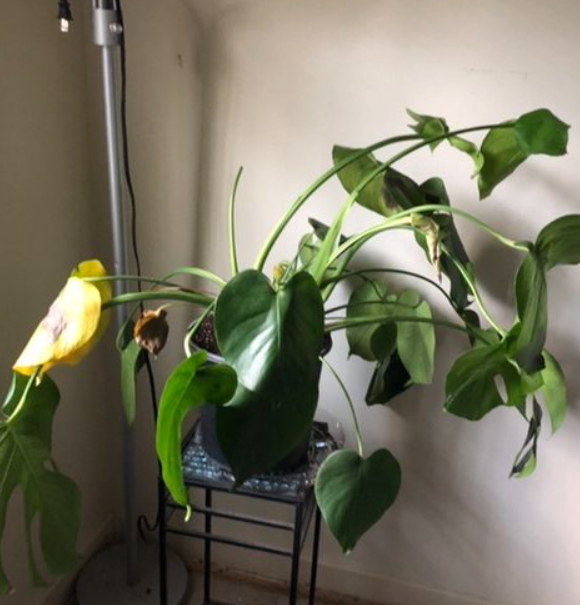
Why it happens: Monsteras prefer moist but well-drained soil. Excess water fills air spaces in the soil, suffocating roots and causing them to rot. How to confirm:
- Check soil moisture with your finger or a moisture meter
- Gently remove the plant from its pot and inspect roots for softness, discoloration, or smell
Cause 2: Underwatering
Symptoms:
- Dry, crusty soil
- Leaves become crispy, brown, or drooping
-
Soil pulls away from pot edges Why it happens: Infrequent watering means the plant’s tissues lose moisture, causing leaves to wilt to conserve water. How to confirm:
-
Check soil with your finger; if dry several inches down, the plant needs watering
Cause 3: Low Humidity
Symptoms:
- Curling or crispy edges on leaves
- Leaves feel dry and brittle
-
Usually happens indoors during winter or in dry climates Why it happens: Monsteras thrive in humidity levels of 60% or higher. Indoor heating and air conditioning reduce humidity, stressing the plant. How to confirm:
-
Use a hygrometer to measure humidity
- Observe leaf edges and overall leaf turgidity
How to tell which cause it is:
- Soil check: Moist or dry
- Root inspection: Mushy roots indicate overwatering
- Environmental assessment: Low humidity, dry air Use this checklist to identify the primary issue before moving to treatment.
Section 3: Treatment Solutions
Once you’ve diagnosed the cause, these steps will help your Monstera recover:
Immediate actions to take (First 24-48 hours):
1. For Overwatering / Root Rot:
- Remove the soggy soil
- Gently take the plant out of its pot
- Inspect the roots; trim any brown, mushy roots with sterilized scissors
- Rinse roots with clean water to remove bacteria or fungi
- Repot into fresh, well-draining soil
-
Ensure the new pot has drainage holes 2. For Underwatering:
-
Water thoroughly until excess drains from the bottom
- Allow soil to dry slightly between waterings
-
Consider a deep soak, especially if the topsoil is very dry 3. For Low Humidity:
-
Increase humidity around your plant:
- Place a tray of water and pebbles beneath the pot
- Use a humidifier nearby
- Group your plants together to create a microenvironment
Long-term treatment plan:
- Water consistently: Keep your Monstera evenly moist, but not soggy—typically watering every 1-2 weeks depending on season and indoor conditions.
- Improve soil health: Use a mix with peat, perlite, and compost for good drainage.
- Maintain humidity: Regularly mist leaves or keep a humidifier running.
- Monitor environmental factors: Keep the plant in bright, indirect light and avoid drafts or sudden temperature changes.
What to Expect During Recovery
- Leaves may take days to weeks to perk up entirely.
- Severely drooping or yellowing leaves may be pruned to help the plant redirect energy.
- Consistency is key; stick with your care adjustments, and your plant will recover.
Section 4: Prevention Tips
Prevent future drooping by adopting these proactive habits:
- Water only when the top inch of soil feels dry. Overwatering is a leading cause of drooping.
- Use well-draining soil and pots with drainage holes. This prevents water from stagnating.
- Maintain indoor humidity around 60%. Use a humidifier or pebble tray.
- Place your Monstera in bright, indirect light. Too much direct sun or too little light stresses the plant.
- Avoid sudden temperature drops or cold drafts. Keep your plant in stable warmth. By establishing a consistent care routine and observing your plant’s environment, you can prevent drooping and promote a healthy, happy Monstera.
Frequently Asked Questions
Q: How long until I see improvement after fixing watering issues?
A: Typically, you can start noticing your Monstera’s leaves perk up within a week after correcting watering or humidity problems. However, fully recovering from root rot or severe dehydration might take several weeks, depending on the extent of damage.
Q: Will my Monstera recover completely after it perks up?
A: Yes! With proper care, new healthy leaves will grow, and your plant can return to lush vitality. Keep in mind that severely damaged or dead leaves won’t recover, so pruning is recommended to promote new growth.
Q: Should I prune severely drooping or damaged leaves?
A: Absolutely. Remove any yellow, brown, or limp leaves to help your plant focus energy on healthy growth. Use clean scissors, and prune close to the stem.
Q: Can natural remedies help revive a drooping Monstera?
A: Yes. You can apply neem oil to prevent pests or rinse roots with hydrogen peroxide diluted in water to combat root rot. Always follow recommended dilution rates and safety precautions.
Conclusion
Drooping Monstera deliciosa leaves are usually a sign that your plant needs some TLC—most commonly related to watering or environmental stresses. With a careful diagnosis and simple adjustments, you can restore your plant’s vitality. Remember to observe your Monstera regularly, adjust your care routine as needed, and stay patient—your plant can rebound and continue to be a stunning centerpiece in your home. Key Takeaways:
- Check soil moisture and inspect roots to diagnose cause
- Adjust watering habits and improve humidity
- Use well-draining soil and bright, indirect light
- Prune damaged leaves to support healthy growth
- Consistent care leads to a thriving, happy Monstera Take a moment today to assess your plant’s needs, and you’ll be well on your way to reviving its lush, droop-free glory!