Noticing your String of Pearls plant's leaves turning pale can be worrying, but rest assured, help is available. Whether your beloved trailing succulent is losing its vibrant green or showing signs of yellowing, understanding the root causes and applying straightforward treatments can restore its health. In this article, we'll walk you through how to fix String of Pearls pale leaves, diagnose the issues accurately, and prevent future problems to keep your plant thriving.
Understanding the Problem
Visual Identification of Pale or Yellow Leaves
Pale or yellowing leaves on a String of Pearls often appear as soft, translucent, or washed-out sections along the stem or on individual pearls. You might notice:
- Leaves that lack their usual glossy, dark-green hue
- Pale or yellowish coloration spreading across parts of the plant
- Leaves that feel softer or less firm than healthy specimens
- Stunted or drooping vines Recognizing these symptoms early is crucial for effective intervention. Sometimes, affected leaves may fall off, further weakening the plant if not addressed promptly.
Common Causes Behind Pale Leaves
Several factors can cause your String of Pearls to lose its vibrant color, including:
- Inadequate or Excessive Light: Too little light can result in dull or pale leaves, while excessive direct sunlight may cause sunburn, leading to discoloration.
- Watering Issues: Overwatering can suffocate roots, causing pale or yellow leaves due to root rot. Underwatering, on the other hand, leads to dehydration, making leaves appear dull and shriveled.
- Nutrient Deficiencies: Lack of essential nutrients like nitrogen can cause leaves to pale or yellow.
- Pests or Diseases: Infestations such as mealybugs or fungal infections can impair nutrient flow and cause leaf discoloration.
Diagnosing the Exact Cause
Follow These Steps to Pinpoint the Issue
Accurate diagnosis is key to fixing How to fix String of Pearls Pale Leaves effectively. Consider the following causes and diagnostic tips:
Cause 1: Insufficient or Excessive Sunlight
- Signs of too little light: Pale, dull, or elongated stems with weak growth.
- Signs of too much direct sun: Burned, brown, or bleached spots along the pearls and stems. Diagnostic tip: Observe the plant's position relative to your light source. If it’s in a very shady corner, it might need more light. Conversely, if placed in intense direct sunlight during peak hours, it may be sunburned.
Cause 2: Improper Watering — Overwatering or Underwatering
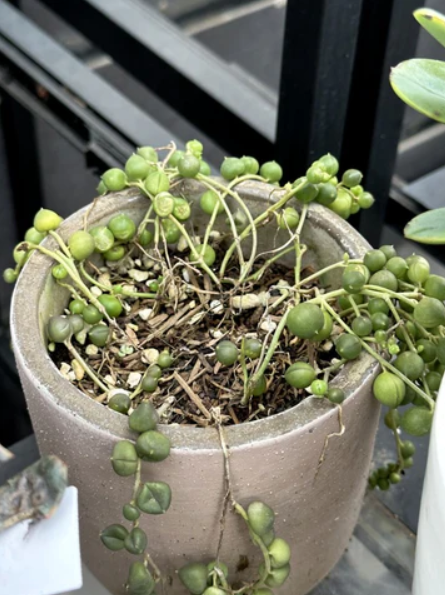
- Overwatering signs: Mushy, yellowing leaves, soggy stems, or foul smell from soil.
- Underwatering signs: Wrinkled, shriveled pearls, dry stems, or leaves that feel brittle. Diagnostic tip: Check soil moisture with your finger—if it feels consistently wet, overwatering is likely; if it’s bone-dry, underwatering is probable.
Cause 3: Nutritional Deficiencies or Poor Soil Quality
- Use a balanced, water-soluble cactus or succulent fertilizer during the growing season—usually once a month.
- Poor soil drainage or depleted nutrients can cause leaves to pale. Diagnostic tip: If your plant isn't responding to watering adjustments, consider repotting with fresh, well-draining soil enriched with appropriate nutrients.
How to Tell Which Cause Applies to Your Plant
Observe these practical signs:
- Consistently soggy soil? Overwatering.
- Dry soil and shriveled pearls? Underwatering.
- Discolored, sunburned spots in direct sunlight? Too much sun.
- Dull, elongated stems in low-light areas? Insufficient sunlight.
- General pale leaves despite good care? Nutrient deficiency or poor soil.
Treatment Solutions
Immediate Actions: Adjusting Care
- Optimize lighting: Place your String of Pearls where it gets bright, indirect sunlight—ideally 4-6 hours daily.
- Water carefully: Let the soil dry out completely between watering. Use the finger test—water only when the top inch feels dry.
- Fertilize appropriately: During active growth (spring and summer), feed with a diluted succulent fertilizer monthly.
Long-term Care Plan
- Correct watering schedule: Adopt a consistent routine—generally, every 2-3 weeks during the growing season, less in winter.
- Proper lighting setup: Use sheer curtains or position near east or west-facing windows.
- Suitable soil: Use a well-draining succulent or cactus soil mix that promotes root health.
Monitoring Recovery
- Look for new, healthy growth with vibrant color.
- Pruned damaged or pale leaves to encourage new, vigorous growth.
- Adjust care if you notice continued discoloration or weak growth.
Prevention Tips
Care Routine Adjustments
- Maintain a consistent watering schedule, avoiding both over- and underwatering.
- Fertilize during growing seasons, and reduce feedings in winter.
- Prune dead or pale stems to stimulate new growth.
Environmental Factors
- Ensure your plant receives bright, filtered light—avoid direct afternoon sun.
- Maintain moderate humidity levels and avoid drafts or sudden temperature changes.
- Regularly inspect for pests and treat infestations promptly.
Conclusion
Addressing pale leaves in your String of Pearls involves understanding their cause and applying tailored solutions. By carefully diagnosing whether your plant suffers from improper lighting, watering errors, or nutritional issues, you can implement the right treatments and restore its lush, vibrant appearance. Regular monitoring and proactive care not only fix current problems but also prevent future issues, ensuring your plant remains healthy and beautiful. Remember, with patience and proper care, your String of Pearls can recover and continue to add charm to your indoor space. Take a moment to review your plant’s environment, make necessary adjustments, and enjoy watching it thrive over the coming weeks.
FAQ
Q: How long until I see my String of Pearls' leaves regain their color?
A: Typically, visible improvement can be seen within 2 to 4 weeks after adjusting lighting, watering, and nutrition. Consistent care accelerates recovery, but patience is key as new, healthy growth gradually replaces damaged leaves.
Q: Can I prune the pale leaves, or should I wait for new growth?
A: It's best to prune pale or dead leaves to tidy the plant and promote new growth. Use clean, sharp scissors or pruning shears, and remove only affected stems or leaves. Pruning encourages healthy, vibrant growth and prevents pest or disease spread.
Q: What is the best fertilization schedule for preventing pale leaves?
A: During the active growing season (spring and summer), fertilize with a diluted succulent or cactus fertilizer once a month. Reduce or pause feeding in fall and winter. Proper fertilization supplies essential nutrients, keeping leaves vibrant and healthy.
Your String of Pearls is resilient. With attentive care and a little patience, it will regain its lush, shimmering beauty. Happy planting!