Quick Summary: Drooping leaves on your Snake Plant can seem worrying, but they're often due to simple issues like improper watering or inadequate light. With some adjustments, you can restore your plant’s health and enjoy its signature upright, resilient foliage again.
Introduction
Noticing your Snake Plant’s leaves drooping or looking limp can be unsettling—especially since this hardy plant is renowned for its toughness. As a plant lover, it’s natural to feel concerned when your beloved green friend isn’t thriving as usual. The good news is that drooping leaves are typically a sign of minor issues that are easily fixable with a little understanding and care. In this guide, we’ll explore why your Snake Plant leaves may be drooping, how to diagnose the root cause, and practical, step-by-step solutions to bring your plant back to life. Whether it’s overwatering, underwatering, poor light, or root stress, I’ll walk you through exactly what to do. Rest assured—your Snake Plant is resilient, and with some small adjustments, it can bounce back strong and healthy!
Section 1: Understanding the Problem
Drooping, limp, or wilted Snake Plant leaves are often a sign that something’s off in their environment or care routine. While this plant is known for its drought tolerance, it can still show stress through leaf changes. Recognizing these symptoms early helps you identify the cause and act before more serious problems develop.
Visual Identification of Drooping Leaves
- Leaves noticeably hanging or sagging instead of standing upright
- Limp, soft texture when touched
- Possible discoloration or browning tips accompanying droop
- Roots may be visible if potting soil is overly wet or soggy
Common Causes Overview
Some typical reasons for drooping Snake Plant leaves include:
- Overwatering, leading to root rot and waterlogged roots
- Underwatering, causing dehydration and loss of turgor pressure
- Improper lighting, like low light or too much direct sun
- Root stress or damage, from repotting or root-bound conditions
- Temperature fluctuations or drafts affecting plant vitality Understanding these causes helps narrow down your troubleshooting steps and clears the path to effective recovery.
Section 2: Diagnosing the Exact Cause
Follow these steps to pinpoint what’s causing your Snake Plant’s leaves to droop. Correct diagnosis makes all the difference in applying the right remedy.
Cause 1: Overwatering Leading to Root Rot
Symptoms:
- Soggy or waterlogged soil
- Soft, mushy roots when repotted
-
Yellowing or browning tips, often starting at the base How to Confirm:
-
Gently remove the plant from its pot and inspect the roots; healthy roots are white and firm
-
Smell the soil; a foul odor indicates decay Why it Happens:
-
Excess water suffocates roots, encouraging fungal growth
- Watering on a fixed schedule without considering soil dryness causes oversaturation
Cause 2: Underwatering or Inconsistent Watering
Symptoms:
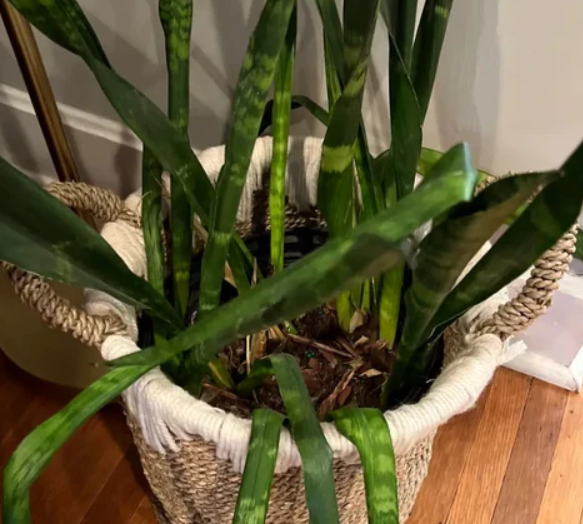
- Leaves feel dry, crispy, or very limp
- Soil is dry several inches down
- Faster leaf drooping after dry spells
How to Confirm:
- Check soil moisture with your finger or a moisture meter
-
Note watering history—has the plant gone without water for an extended period? Why it Happens:
-
Neglecting regular watering, especially during active growth
- Using fast-draining soil causing quick moisture loss
Cause 3: Insufficient Light or Improper Environment
Symptoms:
- Leaning or drooping leaves as the plant tries to reach for light
- Pale or dull leaf color
-
Slow growth overall How to Confirm:
-
Observe the plant’s position relative to windows
-
Use a light meter or estimate light levels; Snake Plants prefer bright, indirect light Why it Happens:
-
Too little light decreases chlorophyll and vigor
- Excessive direct sun can scorch leaves, causing stress
How to Tell Which Cause Applies:
Use this quick checklist:
- Is the soil wet or soggy? Overwatering
- Is the soil completely dry? Underwatering
- Are the leaves leaning or reaching? Low light
- Are roots rotting or smelling foul? Root rot from overwatering
- Are the leaves drooping despite proper watering? Environmental stress
Section 3: Treatment Solutions
Once you’ve identified the cause, it’s time to take targeted action. Here’s how to revive your drooping Snake Plant—step by step.
Immediate Actions (First 24-48 Hours)
Step 1:
Check the soil moisture—if overly wet, allow it to dry out before watering again.
Step 2:
Remove any damaged or dead leaves—prune with clean scissors or pruning shears to prevent rot and encourage new growth.
Step 3:
Adjust watering habits—resume a careful watering schedule based on soil dryness.
Step 4:
Repot if necessary:
- If root rot is evident, gently remove the plant, rinse roots, and trim affected parts.
- Use a well-draining potting mix designed for Snake Plants or succulents.
- Choose a pot with drainage holes to prevent water buildup.
Long-Term Treatment
- Water properly:
- Allow soil to dry completely between watering. Usually, every 2-6 weeks depending on humidity and season.
- Use your finger or a moisture meter to verify dryness.
- Improve lighting:
- Place your Snake Plant in bright, indirect light for optimal health.
- If natural light is limited, consider grow lights.
- Address root rot:
- If detected, repot with fresh soil and trim affected roots.
- Treat roots with a natural solution like a diluted hydrogen peroxide spray to disinfect.
- Natural remedies:
- Use neem oil to deter pests if pests are contributing to stress.
- Hydrogen peroxide can help sanitize soil and roots.
- Chemical solutions:
- In cases of persistent fungal or bacterial infection, consult with local garden centers for appropriate fungicides or bactericides.
Recovery Timeline
- Noticeable improvement typically occurs within 2-4 weeks with consistent care.
- New, healthy leaves can appear in 6-8 weeks.
- Patience and regular monitoring are key.
Section 4: Prevention Tips
Prevent future drooping by establishing a simple, consistent care routine:
-
Set a watering schedule:
Check soil moisture monthly. Water thoroughly only when the top inch is dry. -
Ensure adequate light:
Place your Snake Plant near east or west-facing windows, or in a bright corner with filtered sunlight. -
Use well-draining soil:
A cactus or succulent mix prevents water retention and root rot. -
Avoid temperature stress:
Keep your plant in stable temperatures (65–85°F) and away from drafts or heating vents. -
Improve airflow:
Good circulation reduces fungal issues and keeps your plant healthy. -
Regular inspections:
Look out for pests and early signs of stress to intervene promptly.
Frequently Asked Questions
Q: How long does it take for a Snake Plant to recover from drooping leaves?
A: Typically, you’ll see improvement within 2-4 weeks if you correct the root cause, with new growth appearing after 6-8 weeks.
Q: Can I prune drooping or dead leaves, and should I remove damaged parts?
A: Absolutely! Pruning helps focus the plant’s energy on healthy growth and prevents decay. Use clean, sharp scissors to remove limp, yellowed, or dead leaves.
Q: Is overwatering the main cause of drooping leaves on Snake Plants?
A: It’s a common cause, but not the only one. Underwatering and environmental stress can also lead to drooping. Always check soil moisture to determine the true cause.
Conclusion
Key Takeaways:
- Drooping Snake Plant leaves are usually due to watering issues or inadequate light.
- Proper diagnosis and quick adjustments can restore your plant’s health.
- Maintain consistent watering, provide bright indirect light, and use well-draining soil.
- Be patient—recovery takes time, but your plant’s resilience is remarkable. Remember, caring for your Snake Plant is an ongoing journey. With attentive care and a little love, you’ll see those limp leaves perk up and your plant thrive once again. So start diagnosing today, make the necessary changes, and enjoy watching your green friend recover and flourish!