Discover why your Alocasia’s leaves turn yellow and learn practical diagnostics and remedies to restore its health and prevent future problems.
Introduction
Noticing yellow leaves on your Alocasia can be quite worrying—after all, it's often seen as a sign that something isn’t quite right. But don’t panic! Yellowing leaves are a common issue faced by many plant enthusiasts, especially those caring for this striking, tropical beauty. The good news is that with a bit of understanding and some simple adjustments, you can help your Alocasia bounce back to vibrant health. In this guide, we'll explore the common causes behind yellow leaves, how to diagnose the specific problem affecting your plant, effective treatment strategies, and tips to prevent this issue from recurring. Rest assured, with attentive care, your Alocasia can recover and continue to be a stunning centerpiece in your indoor garden.
Section 1: Understanding the Problem
Visual Identification
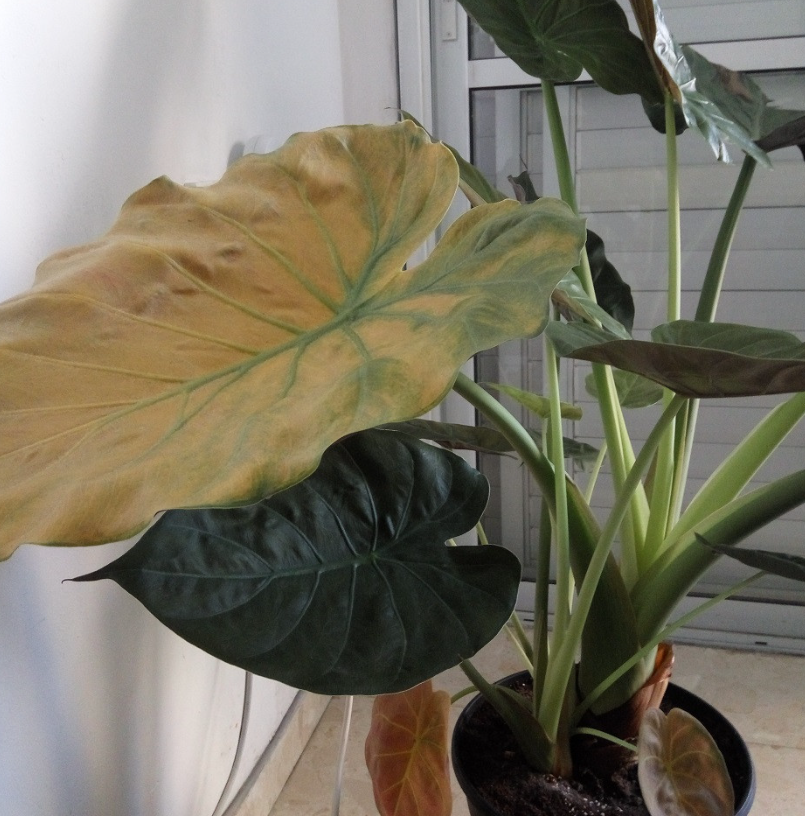
First, let’s understand what yellow leaves look like and how to distinguish between healthy and problematic foliage. Healthy Alocasia leaves are typically deep green, with a glossy texture and firm structure. When leaves turn yellow, you might notice:
- Uniform yellowing: Entire leaves turn yellow evenly.
- Patchy yellowing: Yellow spots or patches appearing irregularly.
- Location: Whether the yellowing affects older (lower) leaves or new growth.
- Texture: Leaves may feel softer or mushy if rot is involved.
Common Causes Overview
Yellowing leaves can signal various issues, including:
- Overwatering: Roots suffocate in waterlogged soil, leading to decay.
- Underwatering: Insufficient water causes stress and yellowing.
- Poor Light Conditions: Too little light results in pale or yellow leaves.
- Nutrient Deficiency: Lack of essential nutrients like nitrogen or magnesium.
- Pests & Diseases: Infestations or fungal infections can weaken the plant.
- Root Problems: Root rot or damage impairs nutrient uptake. Understanding these common causes sets the foundation for effective diagnosis and treatment.
Section 2: Diagnosing the Exact Cause
To effectively treat your Alocasia, you need to identify what’s causing the yellow leaves. Follow these steps:
Cause 1: Overwatering
- Symptoms: Soft, mushy roots; waterlogged soil; pooling water in the saucer.
- How to check: Gently remove the plant from its pot and examine the roots. Healthy roots are white and firm; rotting roots are brown, slimy, and foul-smelling.
Cause 2: Insufficient Light
- Symptoms: Pale, dull, or yellowish leaves; slow growth.
- How to check: Observe the plant’s location. Is it in a low-light corner? Alocasias thrive in bright, indirect light.
Cause 3: Nutrient Deficiency
- Symptoms: Yellowing along veins or tips; slow or stunted growth.
- How to check: Consider your fertilization routine. Has the plant been regularly fed? Lack of nutrients manifests as gradual yellowing.
How to Tell Which Cause It Is
- Watering habits: Are you watering too often or too little?
- Lighting: Is the plant receiving sufficient bright, indirect sunlight?
- Soil condition: Is the soil well-draining? Is it soggy or dry? By assessing these factors, you can pinpoint the root cause of yellow leaf symptoms.
Section 3: Treatment Solutions
Once you've identified the cause, take targeted actions to revive your Alocasia.
Immediate Actions
- Adjust watering: If overwatered, let the soil dry out completely before watering again. If underwatered, water thoroughly until excess drains out.
- Improve drainage: Ensure your pot has drainage holes; consider repotting into a well-draining soil mix.
- Relocate: Move your plant to a location with bright, indirect light for optimal growth.
Long-term Treatment Plan
- Fertilize appropriately: Use a balanced liquid fertilizer every 4-6 weeks during the growing season. For deficiencies, consider supplements like magnesium or iron.
- Repot if necessary: If root rot is suspected, carefully trim away rotten roots and repot into fresh, well-draining soil.
- Monitor regularly: Check moisture levels and leaf health consistently to catch issues early.
Recovery Expectations
With proper care, you should observe new healthy growth within a few weeks. The yellowed leaves may not recover, so consider pruning them to focus energy on new, vibrant foliage.
Section 4: Prevention Tips
To keep your Alocasia healthy and prevent yellow leaves in the future, adopt consistent care routines:
Care Routine Adjustments
- Water wisely: Only water when the top inch of soil feels dry. Avoid letting the plant sit in water.
- Use proper soil: Choose a well-draining mix with peat, perlite, or coarse sand.
- Maintain humidity: Alocasias prefer higher humidity levels—consider misting or using a humidifier.
Environmental Factors
- Light exposure: Place your plant near a bright window with filtered light, avoiding direct sun which can scorch leaves.
- Temperature stability: Keep your plant in a warm environment, ideally between 65-80°F (18-27°C), avoiding cold drafts or sudden temperature drops.
- Pest control: Regularly inspect for pests like spider mites or aphids, which can cause stress and yellowing.
Conclusion
Yellow leaves on your Alocasia can be a sign of various issues, from watering mistakes to lighting problems. The key is careful diagnosis: examine your plant’s environment, watering habits, and root health. With targeted care adjustments—such as improving drainage, providing adequate light, and fertilizing appropriately—you can help your Alocasia recover and flourish once again. Remember, don’t be discouraged. Your attentive care and quick action will make a significant difference. Take a moment to review your plant’s routine, implement the recommended solutions, and watch your Alocasia regain its vibrant, lush appearance.
Next Steps
- Review your watering and lighting routines.
- Check the roots for signs of rot or pests.
- Adjust care practices based on your diagnosis.
- Be patient—plant recovery takes time but is entirely achievable with consistent effort.
FAQ
Q: How long until I see improvement after adjusting care?
A: Typically, you can expect to see signs of recovery within 2-4 weeks. New, healthy leaves should begin to emerge, and existing yellow leaves may gradually fade or die back. Consistency is key to ensuring your plant rebounds.
Q: Can my Alocasia fully recover from yellow leaves?
A: Yes, with proper diagnosis and ongoing care, Alocasia can recover fully. While some older leaves may not regain their color, new growth should be vibrant and healthy, restoring the plant’s overall appearance.
Q: Should I prune yellowed leaves, and when?
A: Yes, removing yellow or dead leaves can help direct the plant’s energy toward new growth. Prune these leaves at the base with clean, sharp scissors or pruning shears, preferably when the leaves are completely yellow or brown.
Take care of your Alocasia with patience and love, and it will reward you with lush, stunning foliage that brightens your indoor space!