Discover why your Philodendron's leaves are curling and learn effective quick fixes and prevention tips to restore your plant's health and lushness.
Introduction
Noticing your Philodendron's leaves curling can be worrying, especially if you're passionate about keeping your indoor plants vibrant and healthy. This common issue often leaves plant parents anxious—wondering what went wrong and how to fix it.
But here's the good news: in most cases, curling leaves are signals that your plant needs some attention, not a sign of irreversible damage. With a bit of observation and the right care adjustments, your Philodendron can bounce back to its lush, green glory.
This article will explore why is my Philodendron having curling leaves, highlight the main causes, and guide you through practical solutions. By understanding and addressing these issues, you can ensure your favorite foliage remains healthy and beautiful.
Section 1: Understanding the Problem
What Do Curling Leaves Look Like?
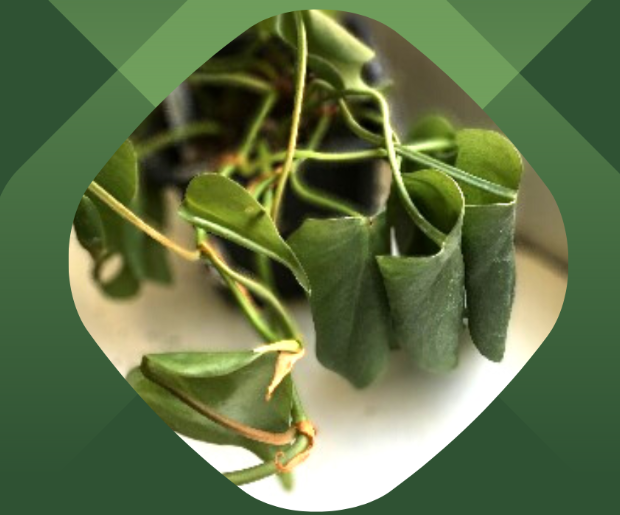
Curling leaves in Philodendrons can appear in several ways:
- Edges that are soft and droopy or crispy and brown.
- Leaves that twist or curl inward along the margins.
- Overall limp or wilted appearance, signaling stress. Recognizing these signs early can help you diagnose underlying problems before they worsen.
Common Causes Overview
Here are some typical reasons your Philodendron might develop curling leaves:
- Overwatering or underwatering
- Low humidity and dry indoor air
- Environmental stress like drafts or temperature extremes Understanding these causes allows you to target your care practices effectively and restore your plant’s health.
Section 2: Diagnosing the Exact Cause
How to Identify Why Your Philodendron’s Leaves Are Curling
A systematic approach will help you pinpoint the root cause:
Cause 1: Watering Issues (Overwatering or Underwatering)
- Overwatering often leads to soft, drooping leaves that may eventually turn yellow or brown.
- Underwatering causes leaves to curl inward, become crispy, and dry out.
Cause 2: Low Humidity and Dry Indoor Air
Philodendrons thrive in humid environments. When indoor air is dry, especially during winter or in heated spaces, leaves may curl to conserve moisture.
Cause 3: Environmental Stress (Drafts, Temperature Extremes)
Exposure to cold drafts, direct sunlight, or temperature fluctuations can stress the plant, leading to leaf curling and other symptoms like leaf scorch or brown edges.
How to Tell Which Cause Applies
- Check the soil moisture: Is the soil too wet or too dry?
- Observe the air humidity: Is your home dry? Humidity below 40% can cause curling.
- Assess the environment: Is your plant near a drafty window or heating vent? Are temperatures fluctuating? Regularly inspecting these factors helps identify the primary cause quickly.
Section 3: Treatment Solutions
Targeted Fixes for Each Cause
Once you've identified the cause, implement specific remedies:
Immediate Actions
- Adjust watering: Ensure proper watering routines—watering only when the top inch of soil is dry.
- Increase humidity: Use a humidifier, pebble trays with water, or mist the leaves gently daily.
- Protect from drafts and temperature extremes: Relocate the plant away from open windows, vents, or direct sunlight.
Long-term Care Tips
- Establish a consistent watering schedule: Typically, watering every 1-2 weeks, depending on the season and pot size.
- Maintain stable humidity levels: Aim for 50-60%, especially in winter.
- Keep the environment stable: Avoid sudden temperature fluctuations and ensure bright, indirect light.
Monitoring Recovery
- Watch for signs of improvement, such as straightening leaves and new growth.
- Be patient—resolving environmental stress may take a few weeks.
- Seek further help if symptoms persist despite adjustments.
Section 4: Prevention Tips
How to Avoid Curling Leaves in the Future
Prevention is always better than cure. Consider these simple steps:
Adjust Your Care Routine
- Water your Philodendron only when the topsoil feels dry.
- Fertilize lightly during growing seasons to support healthy leaf structure.
- Regularly prune dead or damaged leaves to promote healthy new growth.
Environmental Considerations
- Keep your plant in a warm, stable environment with consistent temperature—ideally between 65-80°F.
- Provide bright, indirect light—avoid direct sun which can scorch leaves.
- Manage humidity with humidifiers or moisture trays, especially during dry months.
Conclusion
Recap of Key Causes, Solutions, and Prevention Practices
In summary, curling leaves in your Philodendron usually stem from watering issues, low humidity, or environmental stress. Recognizing the symptoms early and making targeted adjustments can reverse the problem effectively.
Encouragement
Remember, your plant is adaptable and resilient. Small tweaks in care routines and environment management can turn things around remarkably fast.
Next Steps
- Implement the suggested care modifications based on your diagnosis.
- Observe your plant’s response over the next few weeks.
- Continue fine-tuning your care routine for ongoing health and beauty. With patience and attentive care, your Philodendron will thrive and reward you with lush, vibrant foliage once again.
FAQ
Q: How long until I see improvement after fixing watering or humidity?
A: Typically, you should notice some signs of recovery within 1-2 weeks, such as leaves regaining firmness and straightening. However, full recovery of severely curled or damaged leaves may take longer, around 3-4 weeks, as new, healthy growth emerges.
Q: Can my Philodendron recover fully from severe leaf curling?
A: Yes. If the root cause is addressed promptly and environmental conditions are optimized, even plants with severely curled leaves can recover fully. Focus on creating a stable, humid, and properly watered environment, and the plant's overall health will improve over time.
Q: Should I prune curled or damaged leaves to promote health?
A: Yes. Pruning damaged or severely curled leaves can prevent potential disease spread and encourage new, healthy growth. Use clean, sharp scissors or pruning shears to carefully remove compromised foliage.
Your Philodendron's lushness and vitality depend on attentive, loving care. Keep observing, adjusting, and nurturing—soon, your indoor jungle will flourish with vibrant, healthy leaves!